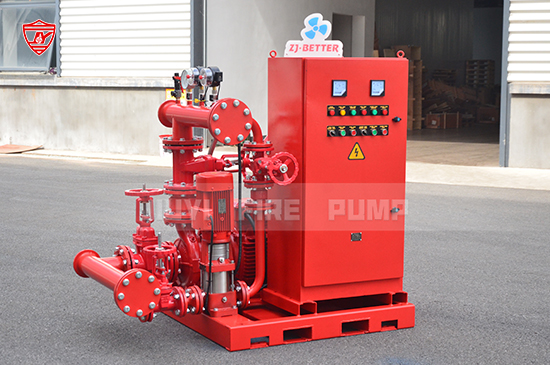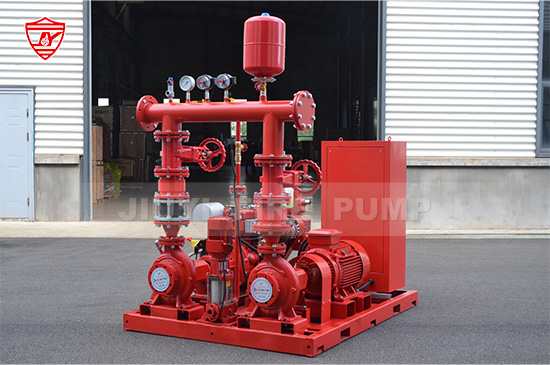
In the world of fire safety, response time is a matter of life and death. Every second counts when a fire breaks out, and the difference between controlling a fire in its early stages or facing a devastating blaze often hinges on how quickly emergency systems can respond. Among the most important of these systems is the fire pump, an indispensable tool in the fight against fire. Fire pumps are engineered to provide the pressure and flow necessary to operate fire sprinklers, hose lines, and other suppression systems, making them crucial for ensuring fast and effective emergency response.
In this article, we will explore why fire pumps are so important for emergency preparedness, how they impact response times, and how their performance directly influences fire safety in both residential and commercial settings.
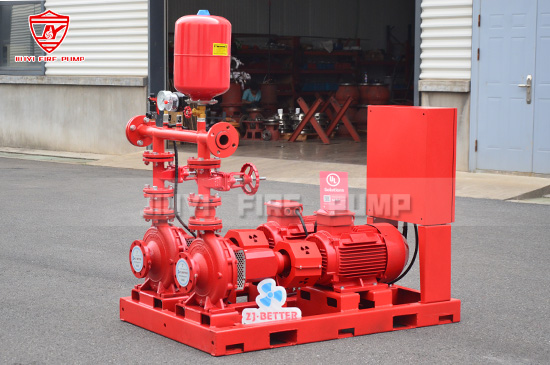
Fire pumps are critical in a fire emergency for one simple reason: water pressure. Water is the most commonly used firefighting medium, and fire pumps ensure that water is delivered with the necessary pressure to suppress fires. In a typical fire suppression system, fire pumps work to provide an uninterrupted supply of water to extinguish flames, whether through sprinklers, hydrants, or hoses.
When a fire occurs, the ability to quickly access large volumes of water with sufficient pressure can make all the difference. Without a fire pump, it would be difficult—if not impossible—to maintain adequate water pressure, especially in high-rise buildings, large commercial facilities, or rural areas where municipal water pressure may be insufficient.
One of the primary reasons fire pumps are so crucial for emergency response times is that they accelerate fire suppression. A fast response is essential to limit fire spread and prevent significant damage to property or loss of life.
Fire pumps are designed to increase water flow and ensure that the required pressure is delivered to the firefighting system. This enables fire crews to immediately access the water they need to start battling the fire. Without the consistent pressure provided by the pump, firefighters would struggle to control the fire effectively.
If a building is equipped with a sprinkler system or hydrants, fire pumps are essential to ensure that these systems work as intended. A fire pump ensures that these systems don't fail under pressure, delivering a steady stream of water when it's needed most. This helps suppress the fire quickly, giving fire teams more control over the situation and preventing it from spreading further.
In buildings with more than a few stories, or in areas where municipal water pressure is inadequate, fire pumps step in to ensure adequate water pressure. This is particularly important for taller buildings, where water pressure from gravity-fed systems may not be sufficient to reach higher floors. Fire pumps overcome this limitation by boosting the pressure and ensuring the firefighting system is fully operational.
Fire pumps directly influence how quickly fire suppression systems activate. This is critical for minimizing damage and saving lives. Here's how:
Fire pumps are designed to activate automatically when a fire is detected. This means that as soon as an alarm sounds, the fire pump starts delivering water at the required pressure. This rapid activation is essential in reducing response times and ensuring that firefighters have the resources they need right away.
Firefighters rely on quick access to water to suppress fires. Fire pumps ensure that large volumes of water are readily available. In emergencies, water supply failure can significantly delay the firefighting efforts, allowing the fire to spread. A reliable fire pump system provides the quickest possible access to water, reducing delays and improving firefighting efficiency.
Fire pumps require regular maintenance to ensure they are in optimal working condition. Routine checks help prevent mechanical issues that could slow down response times during a fire. Proper maintenance ensures the system is ready to perform when the alarm rings, improving response time by reducing the likelihood of system failures.
Different types of fire pumps serve various purposes, and understanding the differences can help organizations select the right system for their needs.
Electric fire pumps are the most common type used in commercial and residential buildings. They are highly reliable and are powered by the electrical grid. However, they depend on a stable power supply, so in the event of a power failure, backup power sources such as generators may be needed.
Diesel engine fire pumps are typically used when a reliable electricity supply is not available, such as in remote areas or critical facilities. These pumps are powered by diesel engines, ensuring reliable operation even in the absence of electricity. Diesel pumps are often used as a backup to electric pumps in larger systems.
Jockey pumps are small, automatic pumps designed to maintain the pressure in a fire suppression system. They are essential for ensuring that the fire pump operates efficiently when the system is idle, preventing unnecessary activation of the main fire pump.
Vertical turbine pumps are designed for situations where water is drawn from deep wells or other low-pressure sources. These pumps are typically used in industrial and agricultural settings, providing high flow rates at low pressures.
While fire pumps are essential for quick response times, their performance can be influenced by several factors. These include:
A steady and reliable water supply is necessary for a fire pump to operate efficiently. Without a consistent source of water, the pump cannot function effectively, leading to delays in response times. It's important for buildings to have a dedicated water source for firefighting purposes.
To ensure that fire pumps will perform optimally in an emergency, regular testing and maintenance are crucial. Without proper maintenance, a fire pump may fail to operate when it's needed most, significantly affecting response times.
The size of the fire pump needs to match the needs of the building or facility. An undersized fire pump will struggle to deliver enough water pressure, while an oversized pump may not be efficient, leading to unnecessary costs. Proper sizing ensures that the pump is ready for any situation.
In an emergency, fire pumps are more than just equipment—they are lifesaving tools. When fires are controlled quickly, there is less damage to property, fewer injuries, and fewer fatalities. A fast response can limit the spread of the fire, reducing the overall impact.
Fire pumps are part of a broader fire protection strategy that includes smoke detectors, fire alarms, and sprinklers. By working together, these systems help ensure a swift and coordinated response to a fire, which is crucial for minimizing harm.
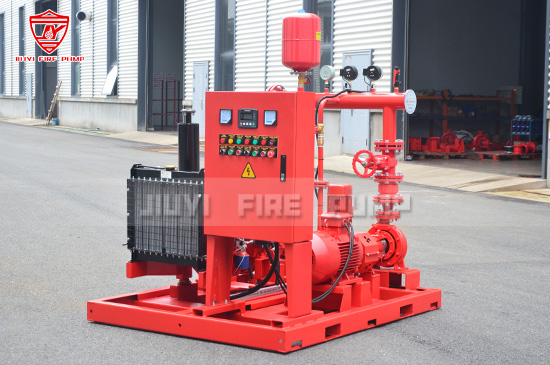
Fire pumps are indispensable in ensuring quick response times during emergencies. They provide the necessary water pressure and flow to firefighting systems, allowing them to suppress fires before they can spread uncontrollably. From electric pumps to diesel engines, understanding the different types and maintenance requirements of fire pumps is crucial for ensuring fire safety. When a fire breaks out, every second counts, and fire pumps help reduce response times, ultimately saving lives and protecting property.
.jpg)