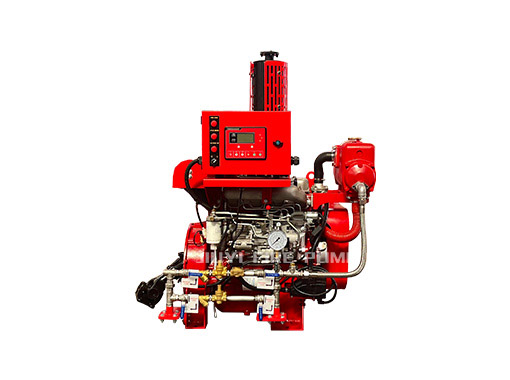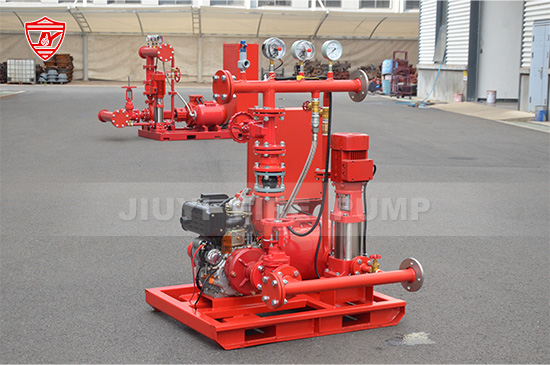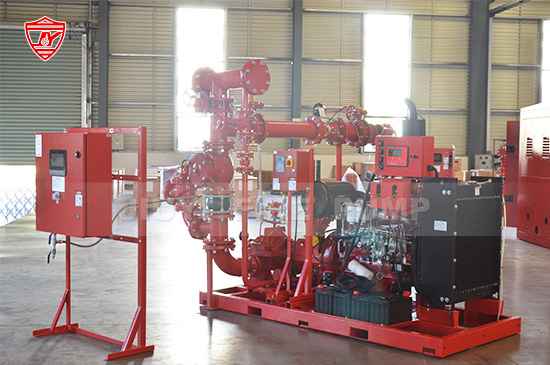
In the world of fire safety, ensuring uninterrupted service during emergencies is non-negotiable. Fire pumps, which are essential in delivering the necessary water flow to suppress fires, play a critical role in protecting lives and property. However, like any other mechanical system, fire pumps can fail due to a variety of factors, including power outages, mechanical malfunctions, or human error. This is where a backup fire pump system becomes indispensable.
While the primary fire pump may handle most of the fire protection needs under normal circumstances, it is the backup system that guarantees reliability when disaster strikes. In this article, we will discuss why having a backup fire pump system is crucial, the risks of not having one, and how to ensure your backup system is properly installed and maintained.
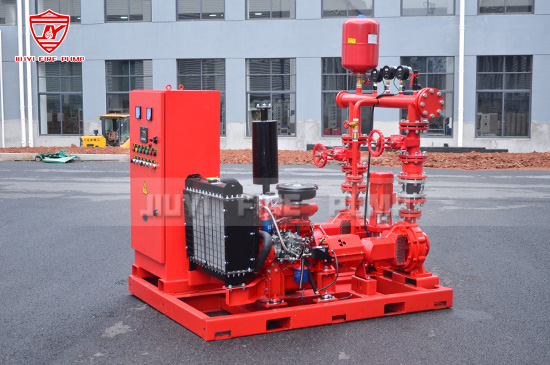
Fire safety systems are designed with the sole purpose of saving lives and preventing destruction. A single failure in this system can lead to catastrophic consequences. As such, the concept of redundancy is deeply embedded in fire safety standards worldwide. Redundancy means having multiple systems in place to ensure that if one fails, others can take over seamlessly.
In the case of fire pump systems, redundancy is not just an option but a requirement for ensuring continuous operation during emergencies. A backup fire pump provides that crucial extra layer of protection, ensuring that even if the primary fire pump fails, the backup will engage immediately to continue supplying water to the fire suppression system.
There are various reasons why a fire pump might fail during a critical moment. Some common causes include:
A backup fire pump ensures that your fire protection system operates smoothly, even if the primary pump fails for any reason. Let’s take a closer look at the specific benefits of having a backup fire pump:
A fire pump system is designed to operate 24/7, especially in high-risk areas like commercial buildings, industrial sites, and high-rise apartments. When a fire breaks out, every second counts. A backup fire pump system eliminates the risk of downtime. As soon as a malfunction occurs in the primary fire pump, the backup will automatically take over, ensuring that the fire suppression system continues to work without interruption.
Many building codes and fire safety regulations require the installation of backup systems for critical infrastructure like fire pumps. Having a backup system in place ensures that your facility complies with these regulations, reducing the risk of fines or legal liabilities. Non-compliance could also jeopardize the safety of your occupants and workers, leading to dangerous situations in case of an emergency.
Without a backup fire pump, any failure in the primary pump could lead to the system being entirely inoperable. This increases the chances of disastrous consequences. On the other hand, backup systems significantly reduce the risk of a system failure during a critical moment, providing extra peace of mind.
A backup fire pump system also comes in handy during routine maintenance of the primary pump. Fire pumps need regular inspections, testing, and maintenance to ensure they remain in good working condition. With a backup system in place, you can perform these essential tasks without interrupting the safety of the building.
Insurance providers often require that a property has a reliable backup fire protection system to maintain coverage. Failure to provide such a system can result in higher premiums or even the inability to secure coverage. In the worst-case scenario, if a fire breaks out and the fire pump fails, the lack of a backup system could lead to severe financial consequences that may not be covered by your insurance.
Setting up a backup fire pump system requires careful planning and adherence to industry standards. Here are some key steps to ensure that your backup system is properly implemented:
The backup fire pump should be compatible with the primary pump in terms of capacity, pressure, and flow rate. It is crucial to choose a pump that can handle the same requirements as the primary unit to ensure consistent performance. You may also consider selecting a pump that is powered differently, such as using a diesel engine backup for an electric-powered primary pump, to ensure there is no overlap in the power source.
For the backup system to work efficiently, it must automatically engage in case the primary pump fails. This is usually achieved by installing an automatic transfer switch (ATS), which detects a failure in the primary pump and activates the backup system without manual intervention.
Just like the primary fire pump, the backup system should be tested regularly to ensure it functions when needed. Routine maintenance should include testing the backup fire pump, ensuring the power supply is intact, and checking the functionality of the transfer switch.
A backup fire pump is only as reliable as its maintenance. Implement a thorough maintenance schedule for both the primary and backup fire pumps. This includes cleaning, lubrication, and replacing worn-out parts as necessary. Regularly inspect the water supply and ensure there are no obstructions that could prevent the system from functioning properly.
Ensure that all personnel, including maintenance staff and emergency responders, are familiar with the backup system. They should know how to test the backup pump and understand how the automatic transfer system works. Training should also include troubleshooting common issues that could arise with the backup system.
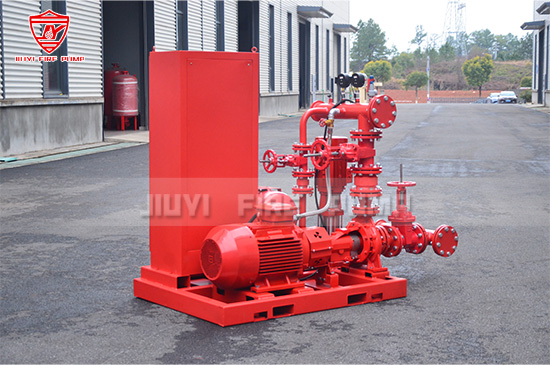
A backup fire pump system is not just an added feature; it is a fundamental component of a reliable fire protection system. It ensures that your fire safety measures remain operational even in the event of a failure of the primary pump. Whether it’s to meet legal requirements, reduce the risk of system failure, or protect your property from the devastating effects of fire, having a backup system in place is critical. By taking the proper steps to install and maintain a backup fire pump system, you are ensuring the safety and security of everyone in your building.