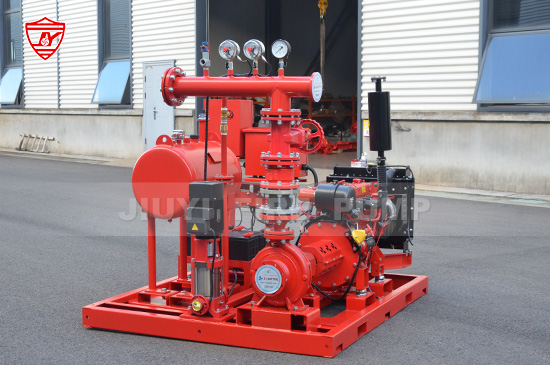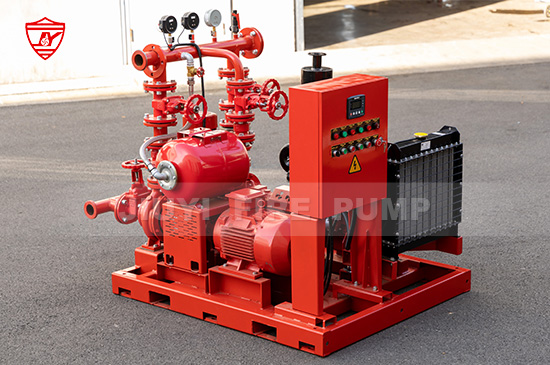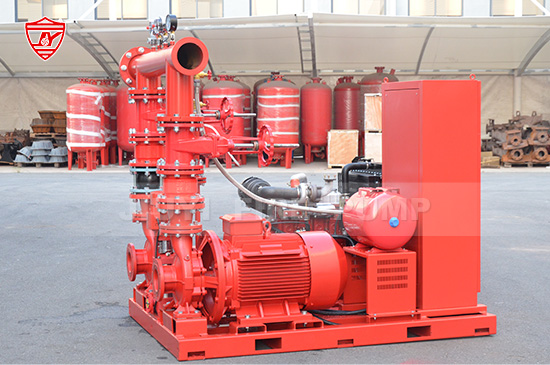
Noise and vibration in fire pump systems are often underestimated challenges, yet they directly impact system reliability, equipment lifespan, and working conditions. Whether in industrial facilities, commercial buildings, or critical infrastructure, excessive vibration can lead to premature wear, while high noise levels can create unsafe or non-compliant environments.
For fire pump manufacturers, installers, and end users, understanding how to control these factors is essential—not just for comfort, but for long-term performance and compliance with fire safety standards.
This article explores the root causes of noise and vibration in fire pump systems and provides practical, proven solutions to reduce them effectively.
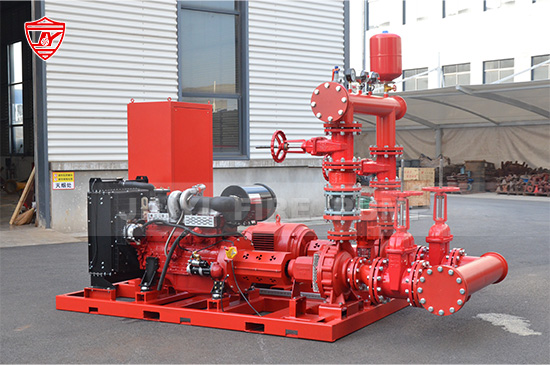
Before solving the problem, it is important to identify where noise and vibration originate. In fire pump systems, these typically come from four main areas:
Rotating components such as impellers, shafts, bearings, and couplings generate vibration during operation. Any imbalance, misalignment, or wear can amplify this effect.
Flow disturbances inside the pump—such as cavitation, turbulence, or sudden changes in velocity—can produce both noise and vibration. These are often linked to poor system design or improper operating conditions.
Even if vibration originates within the pump, it can travel through mounting bases, piping, and building structures, amplifying noise levels throughout the facility.
Improper installation, weak foundations, or inadequate pipe support can worsen vibration and lead to resonance, where vibrations intensify due to matching natural frequencies.
Ignoring noise and vibration is not just a minor inconvenience—it can lead to serious consequences:
In fire protection systems, reliability is critical. A pump that fails due to excessive vibration is not just a mechanical issue—it is a safety risk.
The most effective way to control noise and vibration starts at the design stage.
Selecting the right type and size of fire pump is crucial. Oversized or undersized pumps often operate outside optimal conditions, leading to turbulence and vibration.
Ensure the pump operates close to its Best Efficiency Point (BEP), where hydraulic forces are balanced and vibration is minimized.
High-quality manufacturing and precise dynamic balancing of rotating parts significantly reduce vibration. This is especially important for high-speed electric and diesel fire pumps.
A strong, well-designed base frame helps absorb and distribute vibration evenly. Skid-mounted fire pump packages should be engineered for structural integrity and stability.
Using high-quality flexible couplings between the pump and driver (motor or engine) helps compensate for minor misalignments and reduces vibration transmission.
Even the best-designed fire pump system can develop noise and vibration issues if installed improperly.
The foundation should be rigid, level, and capable of supporting the full load of the pump system. Concrete foundations are typically recommended for large fire pumps.
A weak or uneven foundation can lead to misalignment and increased vibration.
Proper alignment between the pump and driver is critical. Misalignment is one of the most common causes of vibration.
Laser alignment tools are recommended to achieve high precision and ensure long-term stability.
Install vibration isolation pads or mounts between the pump skid and the foundation. These materials absorb and dampen vibration before it transfers to the structure.
Common isolators include:
Rigid piping connections can transmit vibration throughout the system. Flexible connectors or expansion joints help isolate the pump from the piping network.
Unsupported or poorly supported pipes can vibrate and amplify noise. Ensure that piping is securely anchored and properly spaced with supports.
How the fire pump operates also affects noise and vibration levels.
Cavitation occurs when vapor bubbles form and collapse inside the pump, causing noise, vibration, and damage.
To prevent cavitation:
Sudden changes in flow or pressure can create turbulence and vibration. System design should allow for smooth and stable operation.
Regularly monitor pressure, flow rate, and temperature. Deviations from normal conditions can indicate developing vibration issues.
Routine maintenance is essential to keep noise and vibration under control.
Check for:
Early detection prevents small issues from becoming major problems.
Proper lubrication of bearings and moving parts reduces friction and vibration. Follow manufacturer recommendations for lubrication intervals and types.
Over time, components can shift or wear unevenly. Periodic rebalancing and realignment help maintain smooth operation.
Do not delay replacing worn parts such as bearings, seals, or couplings. These components play a critical role in vibration control.
In addition to reducing vibration, direct noise control measures may be necessary, especially in indoor installations.
Installing soundproof enclosures around the fire pump can significantly reduce noise levels. These enclosures should allow for ventilation and easy maintenance access.
Use acoustic panels or insulation materials in the pump room to absorb sound and reduce echo.
For diesel engine fire pumps, exhaust noise is a major contributor. High-quality silencers can effectively reduce this type of noise.
The layout and materials of the pump room can influence noise levels. Avoid hard, reflective surfaces where possible, and incorporate sound-dampening materials.
Modern fire pump systems increasingly use advanced technologies to manage vibration and noise.
Sensors can continuously monitor vibration levels and detect abnormalities early. This allows for predictive maintenance and prevents unexpected failures.
Integrated systems can track multiple parameters, including vibration, temperature, and pressure, providing a comprehensive view of pump health.
Automated controls can adjust operating conditions to maintain optimal performance and reduce stress on the system.
Many noise and vibration issues arise from avoidable mistakes:
Avoiding these pitfalls can significantly improve system performance and longevity.
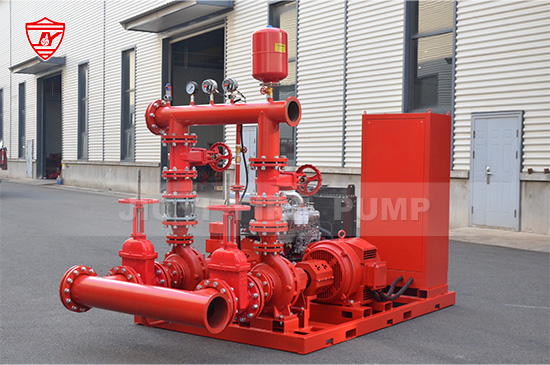
Reducing noise and vibration in fire pump systems requires a comprehensive approach that combines proper design, precise installation, and consistent maintenance. From selecting the right pump and ensuring accurate alignment to using vibration isolators and monitoring system performance, every step plays a role in achieving a quieter and more reliable system.
For fire pump manufacturers and users alike, investing in noise and vibration control is not just about comfort—it is about ensuring that the system performs flawlessly when it matters most. A well-maintained, properly installed fire pump system will not only meet safety standards but also deliver long-term efficiency and durability.