Fire pump commissioning is one of the most critical stages in the life cycle of a fire protection system. No matter how high-quality the fire pump is, improper installation, incorrect settings, or unverified performance can lead to system failure during an emergency. A fire pump commissioning checklist is a structured and systematic process used to verify that a fire pump system has been installed correctly, functions as designed, and meets all technical and regulatory requirements before being officially put into service.
In the fire safety field, commissioning is not just a formality. It is the final safeguard to ensure that the fire pump will deliver the required pressure and flow when a fire occurs. For contractors, consultants, building owners, and fire safety inspectors, understanding the fire pump commissioning checklist is essential to achieving system reliability, compliance, and long-term operational stability.
This article explains what a fire pump commissioning checklist is, why it is important, what steps it typically includes, common mistakes to avoid, and best practices to ensure a successful commissioning process.
Fire pumps are the heart of many fire protection systems. They are designed to supply adequate water pressure and flow to sprinkler systems, hydrants, and fire hose reels when the main water supply is insufficient. If a fire pump fails to start, deliver required performance, or operate reliably, the entire fire protection system may become ineffective.
Commissioning serves several important purposes:
First, it verifies that the fire pump installation matches the approved design and technical specifications. Even small installation errors can affect performance.
Second, it confirms that all components work together as an integrated system, including the pump, driver, controller, valves, sensors, power supply, and piping.
Third, it provides documented proof that the fire pump system has been tested under real operating conditions, which is often required for project handover, insurance, and regulatory approval.
Finally, commissioning identifies hidden defects or installation issues early, reducing the risk of costly failures, rework, or safety incidents later.
A fire pump commissioning checklist is a step-by-step verification process that covers the entire system, from mechanical installation to functional performance testing. While specific requirements may vary by project or jurisdiction, a comprehensive checklist generally includes the following key categories.
Before any live testing begins, a detailed visual and technical inspection is conducted to ensure the system is ready for commissioning. This phase focuses on installation quality and completeness.
Key items include:
Verification that the correct fire pump model, capacity, and rated pressure have been installed according to the approved design documents.
Confirmation that the pump foundation is level, secure, and properly aligned to prevent vibration or mechanical stress during operation.
Inspection of suction and discharge piping for proper supports, alignment, and sealing. Piping should be free of leaks, obstructions, and excessive strain.
Checking that isolation valves are installed in the correct orientation and fully operational.
Verification that pressure relief valves, test headers, and flow measurement devices are installed as required.
Confirmation that all mechanical fasteners are properly tightened and that protective guards are in place for rotating components.
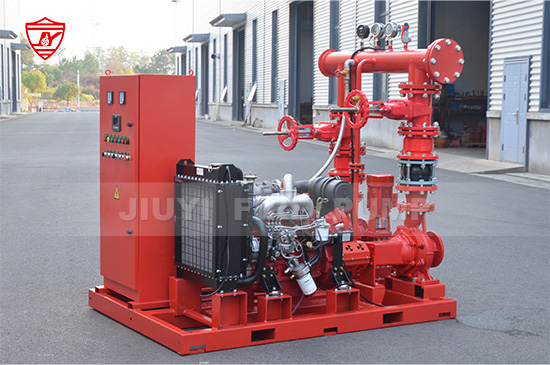
The fire pump driver, whether electric motor or diesel engine, is critical to system reliability. The commissioning checklist must verify that the driver is correctly installed and fully operational.
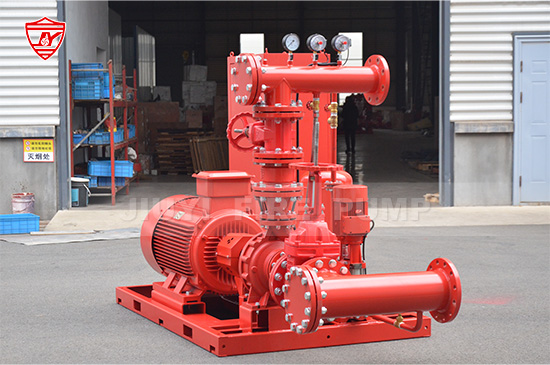
For electric fire pumps, checks typically include:
Verification of power supply voltage, phase, and capacity.
Inspection of cable connections, grounding, and protection devices.
Confirmation that the motor rotation direction is correct.
Checking that the controller is properly configured and that manual and automatic start functions work as intended.
For diesel fire pumps, checks include:
Inspection of fuel tank installation, fuel lines, and filtration.
Verification of fuel level and fuel quality.
Checking cooling system, lubrication system, and battery charging system.
Confirmation that starting batteries are fully charged and securely connected.
Testing of automatic and manual start functions.
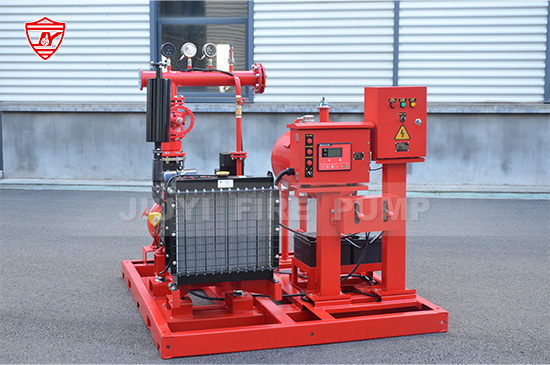
The fire pump controller is responsible for starting and stopping the pump based on system demand and control logic. A commissioning checklist must ensure that the controller operates correctly and reliably.
Typical checklist items include:
Verification of correct controller settings, including start pressure, alarm thresholds, and shutdown logic.
Testing of manual start and stop functions.
Testing of automatic start based on pressure drop simulation.
Verification of alarm functions for power failure, phase loss, low fuel, low oil pressure, and system faults.
Checking indicator lights, display panels, and status messages.
Confirmation that remote monitoring or supervisory signals function as intended if integrated with a building management or fire alarm system.
Mechanical integrity and hydraulic performance are core aspects of commissioning. This phase ensures that the pump and piping system can handle operating conditions without leaks, excessive vibration, or pressure loss.
Checklist items include:
Inspection of pump casing, seals, and gaskets for leaks.
Checking bearing lubrication and alignment.
Verification that suction conditions meet design requirements, including minimum water level, inlet pressure, and absence of air pockets.
Confirmation that discharge piping is properly supported and that pressure gauges are correctly installed and calibrated.
Inspection of pressure relief and circulation relief arrangements where applicable.
Performance testing is the most important part of fire pump commissioning. It verifies that the pump delivers the required flow and pressure under real operating conditions.
Typical performance tests include:
No-flow (churn) test to verify shutoff pressure and basic pump operation.
Rated flow test to confirm that the pump delivers the specified flow at rated pressure.
Overload or peak flow test to evaluate performance at higher flow rates.
Verification of stable operation without abnormal vibration, noise, or temperature rise.
Recording of test data, including pressure, flow, speed, voltage, current, and fuel consumption for diesel units.
Performance testing provides objective evidence that the fire pump meets design requirements and is capable of supporting the fire protection system during an emergency.
Fire pumps do not operate in isolation. They must function correctly as part of the overall fire protection system. Commissioning should include integrated system testing.
This includes:
Simulating sprinkler or hydrant demand to verify automatic pump start.
Testing pressure switches and flow detection devices.
Verifying correct operation of jockey pumps if installed.
Checking that system alarms and signals are triggered correctly when the fire pump starts.
Ensuring that backup power or secondary pump arrangements activate as designed.
The final step in the commissioning checklist is documentation and formal handover. Proper records are essential for regulatory approval, maintenance planning, and future troubleshooting.
Documentation typically includes:
Commissioning test reports with recorded performance data.
As-built drawings reflecting final installation.
Operation and maintenance manuals for the fire pump and related equipment.
Training records for operators and maintenance personnel.
Formal commissioning certificates or acceptance records signed by responsible parties.
Despite the importance of commissioning, several common mistakes are frequently observed in real projects.
One common issue is incomplete pre-commissioning inspection. Skipping basic checks can lead to failures during performance testing, such as leaks, misalignment, or electrical faults.
Another mistake is inadequate performance testing. Some projects only conduct limited tests without verifying full flow and pressure conditions, which can hide performance deficiencies.
Incorrect controller settings are also a frequent problem. If start pressures or alarm thresholds are set incorrectly, the fire pump may fail to start when needed or may generate nuisance alarms.
Lack of proper documentation is another risk. Without complete commissioning records, future maintenance teams may lack critical information about system configuration and baseline performance.
Finally, rushing the commissioning process to meet project deadlines can compromise quality. Fire pump commissioning should be treated as a critical safety procedure, not just a box to tick.
To ensure reliable and compliant commissioning, several best practices should be followed.
First, involve qualified professionals with experience in fire pump systems. Commissioning should be led by personnel who understand both mechanical and electrical aspects of fire pump operation.
Second, follow a structured checklist that covers all system components. A standardized checklist reduces the risk of missing critical steps.
Third, conduct commissioning under realistic conditions. Performance testing should reflect actual operating scenarios as closely as possible.
Fourth, record all test data accurately and maintain clear documentation. These records provide valuable reference points for future inspections and troubleshooting.
Fifth, provide proper training to operators and maintenance teams during handover. A well-commissioned system still requires correct operation and regular maintenance to remain reliable over time.
As a fire pump manufacturer, supporting the commissioning process is an important part of delivering value to customers. High-quality fire pump equipment must be complemented by proper installation guidance, clear technical documentation, and reliable commissioning support.
Manufacturers play a key role by providing:
Detailed installation and commissioning manuals.
Technical support during commissioning and acceptance testing.
Factory test data to compare with on-site performance results.
Clear specifications for performance curves, controller settings, and operational limits.
When manufacturers, contractors, and consultants work together during commissioning, the result is a safer, more reliable fire protection system.
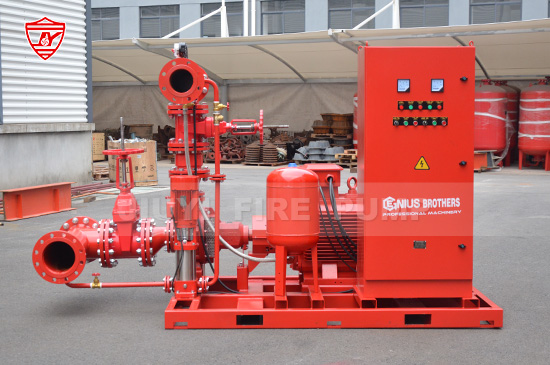
A fire pump commissioning checklist is not just a procedural requirement. It is a critical quality assurance process that directly affects the safety and reliability of fire protection systems. By systematically verifying installation quality, driver and controller functionality, hydraulic performance, and system integration, commissioning ensures that the fire pump will perform as expected when it is most needed.
For fire safety professionals, understanding and applying a comprehensive fire pump commissioning checklist helps reduce risk, improve system reliability, and ensure compliance with project requirements. For building owners and operators, proper commissioning provides confidence that their fire protection system is ready to protect lives and property.
.jpg)