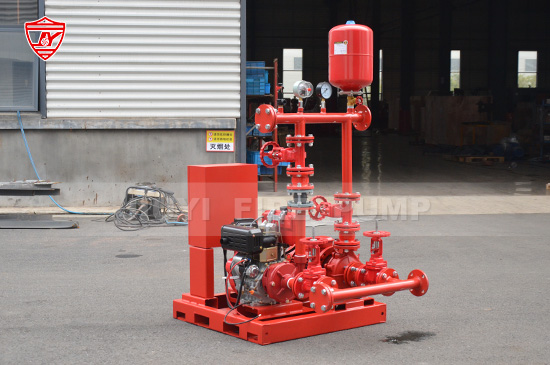
Diesel fire pumps are critical for fire safety in industrial and commercial settings. They provide an essential backup when electric-powered fire pumps fail, ensuring the fire suppression system remains operational during emergencies. However, one of the most common issues that can affect the performance of diesel fire pumps is fuel contamination. Contaminated fuel can lead to poor engine performance, system failure, and costly repairs. In this article, we will explore how to prevent diesel fire pump fuel contamination, offering actionable tips to keep your fire pump systems running smoothly.
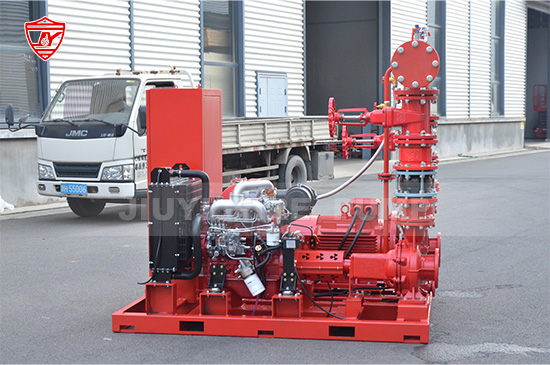
Fuel contamination occurs when foreign substances, such as water, dirt, bacteria, algae, or microbial growth, enter the diesel fuel. These contaminants can disrupt the fuel’s ability to combust properly, resulting in engine failure or irregular operation. Contaminated fuel can also damage fuel injectors, fuel pumps, and other critical engine components.
For fire pumps, reliability is paramount. Diesel engines rely on clean fuel to function efficiently, and any disruption in fuel quality can cause a breakdown at a critical moment. Diesel engines are particularly susceptible to contaminants because of the nature of the fuel and the systems involved. Fuel contamination can result in the following issues:
Reduced Efficiency: Contaminated fuel can lead to improper combustion, decreasing engine performance and reducing efficiency.
Increased Wear: Contaminants can damage engine components, leading to increased wear and tear on the pump system.
Operational Failures: In the case of emergency use, contaminated fuel can cause a pump to fail when it’s needed most.
Costly Repairs: Long-term damage from contaminated fuel can require expensive repairs or even the replacement of critical components.
Several sources can introduce contaminants into the diesel fuel. Identifying these sources is crucial for effective prevention. Here are the most common:
Water: Water is one of the most common contaminants found in diesel fuel. It can enter the fuel system through condensation, fuel tank leaks, or improper storage conditions. Water can cause microbial growth and rust in the fuel system.
Dirt and Debris: Dust, dirt, and other particles can enter the fuel tank during refueling or through air vents. These particles can clog fuel filters, injectors, and pumps.
Microbial Growth: Diesel fuel provides an ideal environment for microbial growth, particularly when water is present. Microbes, such as bacteria and fungi, can thrive in the water and form sludge that can clog the fuel system.
Bacteria and Algae: Microorganisms like bacteria and algae can form a slime that builds up in the fuel tank. These biofilms can clog filters, fuel lines, and injectors.
Contaminated Fuel: Poor-quality or contaminated fuel can be delivered at the pump during refueling. Always ensure you are purchasing fuel from a reliable source.
Now that we understand the risks associated with fuel contamination, let’s explore practical steps that can help prevent these issues from affecting your diesel fire pump.
The first step in preventing fuel contamination is to always use high-quality, certified diesel fuel from reputable suppliers. Make sure the fuel is free from contaminants when it enters the fuel tank. Regularly check your fuel delivery source to ensure the quality of the fuel.
A fuel filtration system is one of the best defenses against contaminants. Fuel filters capture dirt, debris, and water, preventing them from reaching the engine. Diesel fire pumps should have multiple filtration stages to ensure all contaminants are removed before the fuel reaches the engine.
Primary filters remove larger particles.
Secondary filters provide additional filtration for finer particles.
Water separators ensure that any water present is removed before the fuel enters the engine.
By regularly changing and maintaining your fuel filters, you can greatly reduce the risk of contamination.
Keep the fuel tank clean and free from debris. A clean tank is essential for preventing contamination from external sources. Regularly inspect the tank for rust, corrosion, or any signs of water accumulation. If your tank shows signs of wear or damage, replace it promptly to avoid contamination.
To prevent microbial growth, ensure that your fuel tank is properly sealed to prevent water and air from entering. This will also prevent dust and dirt from contaminating the fuel.
How you store and handle diesel fuel is just as important as the quality of the fuel. Always store diesel fuel in a clean, dry environment away from moisture. Use fuel tanks with tight seals to prevent water from entering.
When refueling, take care not to introduce contaminants. Ensure the fuel nozzle is clean, and avoid overfilling the tank, which could cause spillage and introduce water into the fuel system.
Water contamination is a significant concern for diesel fire pumps. Water can cause corrosion and rust in the fuel system, which can damage internal components. To avoid water contamination, check your fuel system for water buildup regularly.
Many fire pumps come equipped with water separators that filter out any water in the fuel. Be sure to empty the water separator regularly and check for any signs of excessive water contamination.
If microbial growth is a concern, consider using biocides designed for diesel fuel systems. These chemical additives kill bacteria, fungi, and other microbes in the fuel, preventing the formation of slime and sludge.
However, be cautious with biocides, as overuse can harm engine components. Always follow manufacturer instructions when using these additives.
Fuel filters are essential for keeping contaminants out of the engine. However, over time, filters can become clogged with dirt, debris, and water. To maintain the effectiveness of your filtration system, inspect and replace fuel filters at regular intervals, as recommended by the fire pump manufacturer.
A clogged filter can cause pressure issues, leading to engine malfunctions or even pump failure.
Another way to ensure your diesel fuel is free from contaminants is by performing regular fuel quality tests. Fuel tests can detect the presence of water, microbial growth, and other contaminants, allowing you to take corrective action before it’s too late.
Routine fuel testing should be part of your preventive maintenance program. If contamination is found, take steps to clean the fuel system and replace the contaminated fuel.
Fuel tank monitors can help you keep track of the quality of your fuel in real-time. These devices can detect changes in the fuel’s composition, including water levels, and alert you to any issues. By monitoring your fuel quality continuously, you can prevent potential contamination before it becomes a serious problem.
Proper ventilation of the fuel tank is essential to prevent condensation, which is a leading cause of water contamination. Ensure that your fuel tank has the appropriate venting system to allow air circulation, which helps keep the tank dry and prevents water accumulation.
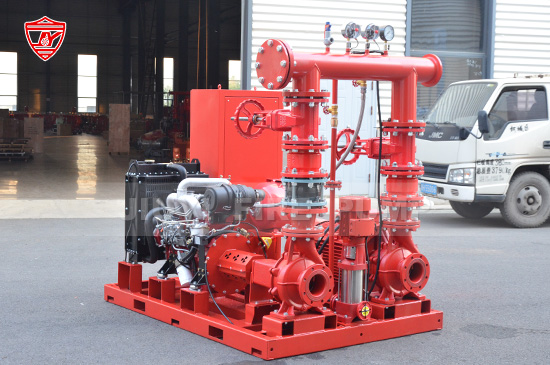
Preventing diesel fire pump fuel contamination is essential for ensuring the reliable operation of your fire protection systems. By following the practical tips outlined in this article—such as using high-quality fuel, installing proper filtration systems, and maintaining your fuel tanks—you can reduce the risk of contamination and ensure that your fire pump remains in optimal condition when it's needed most. Regular maintenance and attention to detail can help you avoid costly repairs and downtime, ensuring that your fire protection system is always ready to perform.
.jpg)