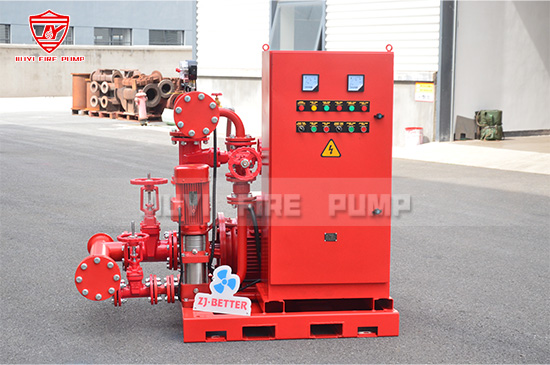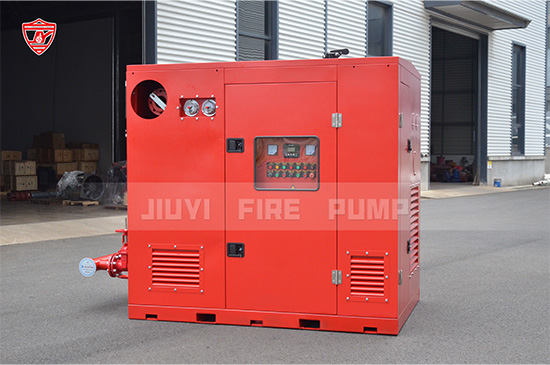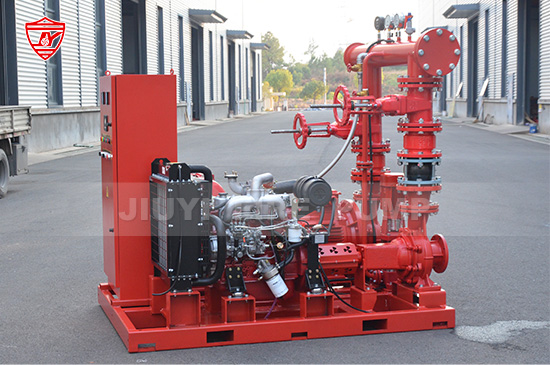
Diesel fire pumps are critical components in fire protection systems, providing reliable, high-pressure water flow to extinguish fires. When considering a diesel fire pump for installation, many factors come into play, including the efficiency of the pump, the size of the engine, and, most importantly, the fuel consumption rate. Understanding the fuel consumption of these pumps is essential for determining the operational costs, maintenance needs, and overall efficiency of your fire protection system.
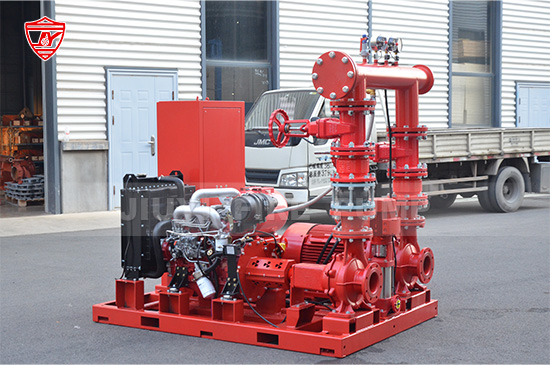
The fuel consumption rate of a diesel fire pump depends on several key factors, each affecting the efficiency and operational costs. By understanding these factors, owners and operators can better estimate fuel usage and make informed decisions regarding fuel management and pump selection.
The power rating of a diesel fire pump engine directly impacts its fuel consumption. Larger engines with higher power output tend to consume more fuel, especially during peak load operation. Diesel fire pumps typically range in power from 10 HP (horsepower) to over 1,000 HP, with larger pumps consuming significantly more fuel than smaller ones.
The operating pressure and flow rate are essential aspects of a fire pump's performance. Diesel fire pumps are designed to operate under various pressures depending on the specific requirements of the fire protection system. High flow rates or higher pressures during firefighting operations will naturally lead to higher fuel consumption as the engine needs to work harder to maintain the desired output.
For example, pumps that need to provide a high flow of water to extinguish large fires will require more fuel. On the other hand, smaller systems, such as jockey pumps that maintain pressure in the system, use much less fuel due to their lower operational demands.
The overall efficiency of the fire pump system is another significant factor. The efficiency of the pump is determined by how effectively it converts fuel into useful mechanical work (pumping water). More efficient pumps require less fuel to achieve the same output. Pump efficiency can be influenced by design features, maintenance conditions, and the quality of the fuel being used.
Diesel engines that are poorly maintained, for example, tend to consume more fuel as they operate less efficiently. Regular maintenance such as oil changes, filter replacements, and checking the fuel system for leaks can help improve pump efficiency and reduce fuel consumption.
Fuel consumption rates fluctuate based on the load conditions of the diesel fire pump. A fire pump working under full load, meaning it's supplying maximum output, will consume more fuel than one operating at a lower load. Load conditions can vary depending on the size of the fire or the requirements of the system. During extended use or during peak performance, fuel consumption can significantly increase.
Environmental conditions, including temperature, humidity, and altitude, can also impact the fuel consumption rate. In colder climates, engines may require additional fuel to start, and in high-altitude areas, engines may perform less efficiently, leading to higher fuel consumption. Proper installation and calibration based on local conditions can optimize fuel efficiency.
The fuel consumption rate of a diesel fire pump can be estimated based on several key parameters. Here’s a general formula for calculating fuel consumption:
Fuel Consumption=Power Output×Fuel Consumption Factor100\text{Fuel Consumption} = \frac{\text{Power Output} \times \text{Fuel Consumption Factor}}{100}Fuel Consumption=100Power Output×Fuel Consumption FactorWhere:
Power Output is the engine’s rated output in kilowatts (kW).
Fuel Consumption Factor is a constant provided by the engine manufacturer that reflects the amount of fuel consumed per unit of power output.
For example, if a diesel fire pump has a power rating of 100 kW and a fuel consumption factor of 0.25 liters per kWh, the fuel consumption rate would be:
Fuel Consumption=100×0.25100=25 liters per hour\text{Fuel Consumption} = \frac{100 \times 0.25}{100} = 25 \text{ liters per hour}Fuel Consumption=100100×0.25=25 liters per hourThis formula can be adjusted based on the operational time and conditions to get a more precise estimate of the actual fuel consumption during firefighting operations.
While fuel consumption is an important consideration, optimizing fuel efficiency can reduce operational costs and improve the overall performance of your fire pump system. Here are a few tips for reducing fuel consumption:
Proper and regular maintenance of the pump system is crucial to ensure that it operates efficiently. Check fuel filters regularly, clean air filters, and perform engine tune-ups as needed. Keeping the pump in peak condition can significantly reduce unnecessary fuel consumption.
Selecting the right size diesel fire pump for the job is essential. If a pump is oversized for the application, it will consume more fuel than necessary. Ensure that your system is properly sized to meet your fire protection needs without excess capacity. A well-sized pump operates more efficiently and with lower fuel consumption.
Some diesel engines are equipped with fuel-saving technologies, such as variable-speed drives or fuel-efficient injector systems. Consider upgrading your pump to a model with more advanced features that reduce fuel consumption.
Well-trained operators can improve fuel efficiency by operating the fire pump within its optimal load range. Ensure that operators understand the importance of maintaining proper load conditions and turning off the pump when it's not needed.
Implementing a fuel monitoring system that tracks the consumption rate can help identify areas where fuel savings can be made. Advanced systems allow operators to receive alerts when fuel usage is excessive or when the system is operating inefficiently.
When selecting between a diesel fire pump and an electric fire pump, one consideration is the cost of fuel versus electricity. Diesel fuel tends to be more expensive than electricity in many regions, especially in areas with high fuel taxes or volatile fuel prices.
However, diesel fire pumps offer certain advantages in terms of mobility and reliability. In remote locations or places where electrical supply is unreliable, diesel pumps provide a reliable alternative. The choice between diesel and electric pumps should consider long-term fuel costs, system reliability, and the location's fuel availability.
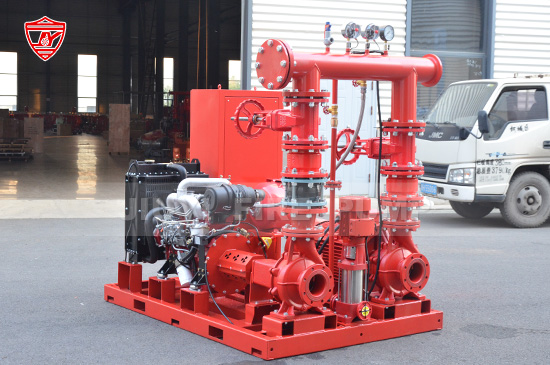
Understanding the fuel consumption rate of a diesel fire pump is vital for effective operation and cost management. Several factors, including engine size, load conditions, and maintenance practices, all contribute to the fuel efficiency of the pump. By selecting the right pump size, conducting regular maintenance, and monitoring fuel use, operators can optimize their diesel fire pump’s performance and reduce fuel consumption.
Whether you are planning to install a new diesel fire pump or are looking to optimize an existing system, being informed about fuel consumption is essential for making the best choice for both performance and budget.
By following these tips and calculations, you can ensure that your fire pump operates at peak efficiency, providing the reliable fire protection you need while keeping fuel costs under control.