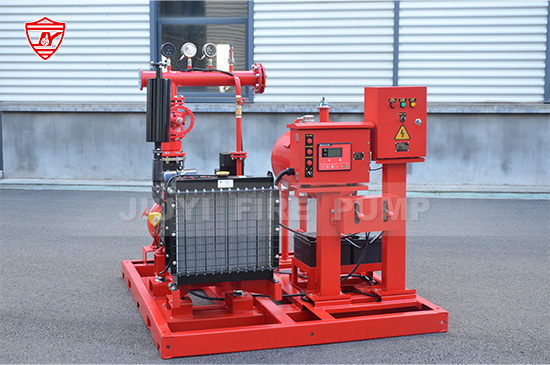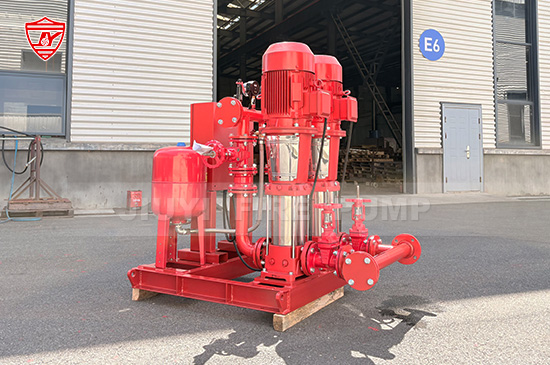
When selecting a fuel system for diesel fire pumps, choosing the right setup is crucial to ensure reliable, efficient performance during emergencies. Diesel fire pumps are commonly used in fire protection systems for large facilities and industrial applications, where an uninterrupted water supply is essential. The right fuel system guarantees that the pump will operate reliably when needed most, delivering a powerful and sustained flow of water to fight fires.
This article provides guidance on how to select the appropriate fuel system for diesel fire pumps, focusing on critical factors like tank size, fuel type, system maintenance, and other considerations. Whether you're upgrading an existing fire protection system or installing a new one, this information will help you make informed decisions.
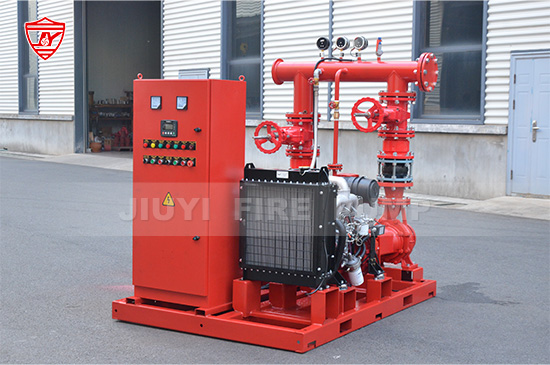
The fuel system in a diesel fire pump is responsible for ensuring that the pump has an adequate and reliable supply of fuel to operate during emergency situations. Diesel engines are known for their durability and ability to provide sustained power, which is why they are often used in fire protection systems. However, a malfunctioning or improperly selected fuel system can lead to pump failure when it’s needed most.
There are several components involved in a diesel fire pump's fuel system, including:
Fuel Tank: Stores the diesel fuel that powers the engine.
Fuel Filters: Clean the fuel before it enters the engine, preventing contaminants from damaging the engine components.
Fuel Lines: Carry the fuel from the tank to the engine.
Fuel Pumps: Pump the fuel from the tank to the engine for combustion.
To ensure that the diesel fire pump performs optimally, each of these components must be appropriately sized and maintained.
When selecting a fuel system for your diesel fire pump, several factors should be taken into account. These factors can impact the pump’s performance, reliability, and maintenance needs. Here are the key considerations:
The fuel tank's size and capacity are among the most critical factors to consider when selecting a fuel system. The tank must be large enough to supply fuel for the diesel fire pump to operate continuously for a specified duration, typically 30 minutes or longer, in line with industry standards.
Duration of Operation: In the event of a fire, the diesel fire pump needs to run continuously for an extended period. The size of the fuel tank must match the pump’s power requirements to ensure uninterrupted operation during an emergency.
Standards Compliance: Ensure that the fuel tank size meets local regulations and fire safety standards. For instance, in many cases, the National Fire Protection Association (NFPA) requires that the diesel engine fire pump be capable of operating for a minimum of 30 minutes without refueling.
The type of fuel you use in your diesel fire pump plays a vital role in the system’s performance and longevity. Diesel fuel is typically the most common fuel choice for fire pumps due to its high energy content and availability. However, within the diesel fuel category, there are various types of fuel to choose from:
Ultra-Low Sulfur Diesel (ULSD): This is the most common fuel type used for diesel engines today. ULSD contains less than 15 parts per million (ppm) of sulfur, making it an environmentally friendly option.
Biodiesel: An alternative to traditional diesel, biodiesel is made from renewable sources like vegetable oil or animal fats. While biodiesel can be used in diesel engines, it requires careful consideration for compatibility with the fire pump’s components and the climate in which it operates.
Choosing the right fuel type depends on availability, environmental considerations, and compatibility with the engine and fuel system components.
Proper storage and placement of the fuel tank are essential for ensuring the reliability of the fire pump. The fuel tank must be installed in a location that is easily accessible for maintenance and refueling, yet protected from potential hazards such as fire, extreme temperatures, and physical damage.
Consider the following when deciding on the fuel tank's placement:
Safety: Fuel tanks should be installed in a fire-resistant location, away from other flammable materials and equipment. Adhering to fire safety codes and regulations is crucial to prevent accidents.
Ventilation: Adequate ventilation is required to allow for the safe release of fumes and prevent fuel vapors from accumulating in the storage area.
Fuel filters are essential components that prevent dirt, rust, and other contaminants from entering the engine’s fuel system. Contaminated fuel can lead to clogged fuel lines, pump failure, or engine damage. Regular maintenance of the fuel system, including the replacement of fuel filters, is vital to the long-term performance of your diesel fire pump.
Filter Type: Choose fuel filters with high dirt-holding capacity and the right micron rating to effectively trap contaminants. The correct filter type depends on the fuel quality and pump specifications.
Maintenance Schedule: Regularly inspect and replace fuel filters as part of routine maintenance. Neglecting this step can lead to system blockages and engine performance issues.
The quality of the fuel used in a diesel fire pump is essential for engine performance. Contaminated or degraded fuel can clog the system, leading to potential failures. Additionally, extreme temperatures can affect the performance of diesel fuel.
Fuel Additives: In some regions, especially in colder climates, fuel additives can be used to prevent fuel gelling in low temperatures. These additives help ensure that the diesel remains fluid and does not freeze during winter conditions.
Fuel Heating: In very cold environments, heating systems can be installed to maintain the optimal temperature of the fuel, ensuring smooth operation during emergencies.
To ensure that your diesel fire pump is compliant with safety standards, it is essential to choose a fuel system that meets all relevant codes and regulations. Standards such as NFPA 20 (Standard for the Installation of Stationary Pumps for Fire Protection) and UL listings provide guidelines for fuel system selection and installation.
Compliance with these standards helps ensure that your system is safe, efficient, and legal. It also makes the pump more reliable in case of an emergency.
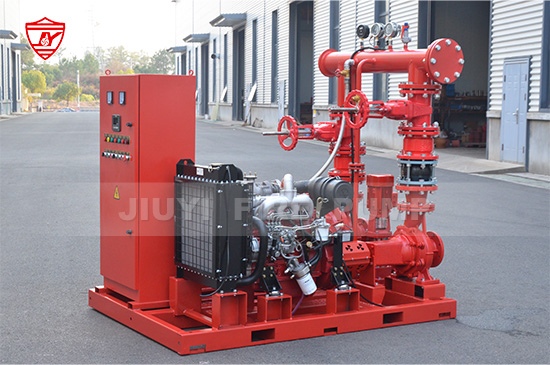
Selecting the correct fuel system for your diesel fire pump is critical to ensure reliable and long-lasting performance. Tank size, fuel type, filter systems, and regular maintenance all play a significant role in determining the efficiency of your pump during emergencies. By considering all relevant factors and following industry standards and regulations, you can ensure that your fire protection system is always ready to perform when needed.
Ultimately, a well-designed and properly maintained fuel system will contribute to the overall safety and functionality of your diesel fire pump, ensuring that it can provide the necessary water supply for firefighting efforts during critical moments. Always work with a trusted manufacturer and service provider who can guide you in selecting the most suitable fuel system for your specific requirements.