Fire pumps are critical components of modern fire protection systems. They ensure that sufficient water pressure and flow are available when a fire emergency occurs. To confirm that a fire pump performs correctly under different operating conditions, several tests are conducted during installation, commissioning, and maintenance. One of the most important among these is the churn test.
The churn test evaluates how a fire pump behaves when it is running without delivering water to the system. Although it may seem unusual to test a pump with no flow, this condition provides valuable information about the pump’s pressure characteristics, mechanical stability, and compliance with fire protection standards.
Understanding the churn test is essential for fire protection engineers, contractors, facility managers, and anyone responsible for fire pump systems.
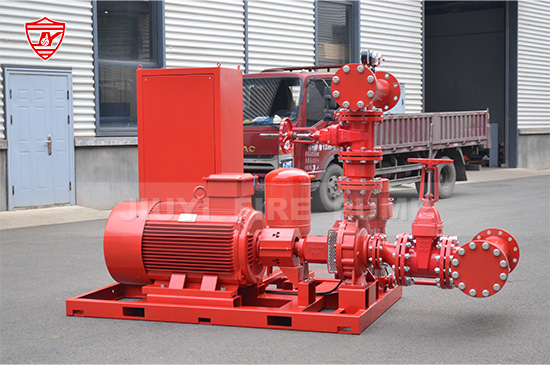
The churn test, also known as the no-flow test, measures the pressure generated by a fire pump when the discharge valve is closed and no water flows through the system.
In this condition, the pump is operating at full speed but is not supplying water to the fire protection piping. Because the water is not moving, the pump produces its maximum pressure. This pressure level is referred to as the churn pressure or shutoff pressure.
The churn test helps determine whether the pump is operating within the acceptable limits defined by fire protection standards. It also provides a baseline measurement that can be compared during future inspections or maintenance.
The churn test plays a crucial role in verifying the performance and safety of fire pump systems. It helps identify potential issues before the system is placed into service.
One of the primary reasons for performing the churn test is to confirm that the pump does not generate excessive pressure when there is no flow. Excessive pressure can damage pipes, valves, fittings, and sprinkler components.
Another important purpose is to ensure that the pump operates smoothly without mechanical problems such as vibration, overheating, or unstable operation.
Additionally, the churn test helps verify that the pump curve aligns with the manufacturer's specifications and fire protection standards.
For system designers and installers, the churn test confirms that the installed pump matches the expected hydraulic performance.
To understand the churn test, it is helpful to understand how pumps behave when there is no water flow.
When a centrifugal pump operates normally, water enters the impeller and is discharged into the system, producing both pressure and flow. However, when the discharge valve is closed, the water cannot leave the pump.
In this condition, the pump continues to rotate and energy is still transferred to the water. Instead of producing flow, this energy increases the pressure inside the pump casing.
This condition creates the maximum pressure that the pump can generate. While the pump can operate at this point for short testing periods, continuous operation at churn conditions is not recommended because it can cause heat buildup inside the pump.
Churn pressure is a key parameter used to evaluate fire pump performance.
Fire pumps are designed with performance curves that show the relationship between flow and pressure. As the flow decreases, the pressure increases. The highest pressure point on the curve occurs at zero flow, which is the churn condition.
Standards typically specify that the churn pressure should not exceed a certain percentage of the rated pump pressure.
This requirement ensures that the pump will not produce dangerously high pressure when operating with closed valves or limited demand.
Maintaining proper churn pressure is essential for protecting the entire fire protection system from over-pressurization.
Fire pump testing procedures are defined in fire protection standards used worldwide.
One of the most widely recognized standards is NFPA 20, which provides guidelines for the installation and acceptance testing of fire pumps.
According to NFPA 20 requirements, fire pumps must be tested to verify their performance at several points along the pump curve. These typically include:
Churn (no-flow condition)
Rated flow
150 percent of rated flow
During the churn test, the pump is operated with the discharge valve closed while pressure readings are taken at the pump discharge gauge.
The measured pressure is compared to the rated pressure of the pump to confirm that it falls within the allowable range specified by the standard.
If the pressure exceeds the acceptable limit, adjustments or equipment changes may be required before the system can be approved.
The churn test is typically conducted during fire pump commissioning or acceptance testing.
The procedure begins with ensuring that the fire pump system is properly installed and that all instrumentation, gauges, and monitoring devices are operational.
Once the pump is started, the discharge valve remains closed so that no water flows through the system.
With the pump operating under these conditions, technicians record the pressure at the pump discharge gauge.
They also observe the pump for any signs of mechanical issues such as excessive vibration, unusual noise, or overheating.
The pump is usually operated at churn conditions only for a short period, just long enough to collect accurate measurements.
After the readings are recorded, the system is gradually opened to allow water flow for additional performance tests.
Several important parameters are monitored during a churn test to evaluate pump performance.
The most critical measurement is the discharge pressure produced by the pump.
Technicians also observe the pump speed to ensure that it matches the rated speed specified by the manufacturer.
In addition, electrical parameters such as motor current may be monitored when the pump is powered by an electric motor.
For diesel-driven fire pumps, engine performance indicators such as speed and temperature may also be observed.
These measurements help confirm that the pump and its driver are functioning correctly under no-flow conditions.
The churn test can reveal several potential issues that might otherwise remain unnoticed until an emergency occurs.
One possible problem is excessive shutoff pressure, which may indicate an incorrect pump selection or improper system design.
Another issue that can be identified is unstable pump operation, which may appear as fluctuating pressure readings.
Mechanical problems such as misalignment, bearing wear, or impeller damage may also become evident during the test due to abnormal vibration or noise.
In some cases, overheating may occur if the pump remains in churn condition for too long or if cooling provisions are insufficient.
By identifying these problems early, corrective actions can be taken before the fire pump system is placed into service.
Although the churn test is relatively simple, it must be performed carefully to avoid equipment damage or safety hazards.
Because the pump produces its highest pressure during this test, all system components must be rated to withstand the expected pressure levels.
Operators should monitor the pump closely and limit the duration of the test to prevent excessive heat buildup.
Proper instrumentation and calibrated pressure gauges are essential for obtaining accurate measurements.
Additionally, trained personnel should conduct the test to ensure that all procedures follow applicable fire protection standards.
The churn test is often confused with other fire pump tests, particularly the flow test.
While the churn test measures pressure at zero flow, the flow test evaluates pump performance when water is actually delivered to the system.
Flow testing involves opening discharge valves and directing water through test headers or flow meters to measure both pressure and flow rate.
The combination of churn testing and flow testing provides a complete picture of the pump’s performance across its operating range.
Together, these tests verify that the pump can deliver the required water supply during a fire emergency.
During the commissioning phase of a fire pump system, several tests are conducted to ensure that the installation meets design specifications.
The churn test is typically one of the first performance tests performed after the pump is started.
It helps confirm that the pump operates correctly before higher flow tests are conducted.
By verifying pressure stability at no-flow conditions, technicians gain confidence that the pump and driver are properly installed and aligned.
Successful churn testing is an important milestone in the commissioning process and contributes to the overall reliability of the fire protection system.
Although the churn test is primarily associated with acceptance testing, churn pressure remains an important reference value throughout the life of the fire pump.
During routine inspections and annual performance tests, technicians often compare current pressure readings with the original churn pressure.
Significant changes in churn pressure may indicate wear, mechanical problems, or system modifications.
By tracking these changes over time, maintenance teams can detect early warning signs of pump degradation and schedule repairs before a failure occurs.
This proactive approach helps maintain the reliability of fire protection systems and ensures that they are ready to operate during emergencies.
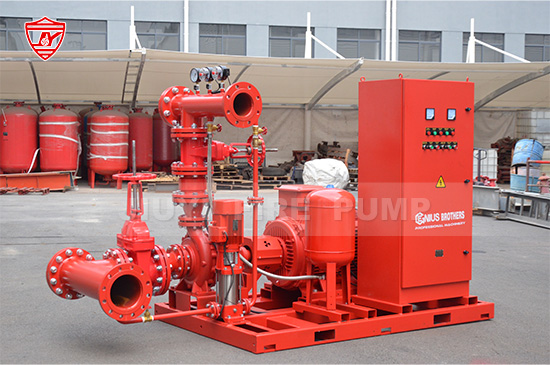
The churn test is a fundamental procedure used to evaluate the performance and safety of fire pumps. By measuring the pressure produced when the pump operates without water flow, technicians can verify that the pump complies with design specifications and fire protection standards.
This simple yet essential test provides valuable insight into pump behavior, pressure limits, and mechanical stability. When combined with other performance tests, the churn test helps ensure that fire pump systems will deliver reliable water pressure when a fire emergency occurs.