Fire pump systems are a critical component of any fire protection infrastructure. Whether installed in industrial plants, commercial buildings, warehouses, or municipal facilities, these systems must operate reliably the moment they are needed. However, one of the most common challenges in fire protection projects is delayed fire pump commissioning.
Commissioning delays can cause project handover problems, financial losses, and compliance issues. Contractors, consultants, and facility owners all depend on a smooth commissioning process to ensure the fire protection system meets regulatory standards and performs as designed.
Understanding the causes of commissioning delays and implementing preventive strategies can significantly improve project timelines. This article explores the most common reasons for fire pump commissioning delays and provides practical steps to avoid them.
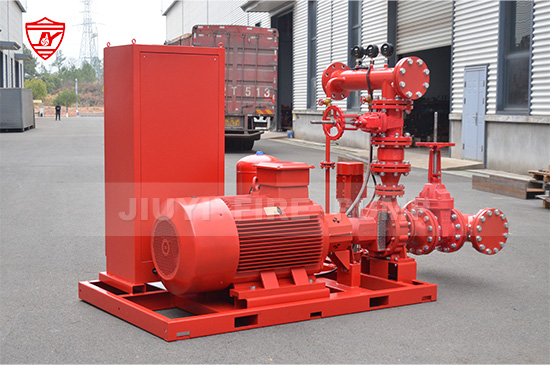
Fire pump commissioning is the final stage of the installation process where the system is inspected, tested, and verified to ensure it meets design specifications and fire protection standards.
This process typically includes:
Verification of installation compliance
Electrical and mechanical inspections
Controller configuration checks
Pressure and flow testing
Acceptance testing witnessed by consultants or authorities
The commissioning stage ensures that the fire pump system performs correctly under real operating conditions. Any issues discovered at this stage can cause significant project delays if the system is not properly prepared beforehand.
Before discussing prevention strategies, it is important to understand what typically causes delays during fire pump commissioning.
One of the most frequent problems is attempting commissioning before the system is fully installed. Missing components such as pressure gauges, relief valves, controllers, or flow meters can halt the process immediately.
Sometimes auxiliary systems such as fuel supply for diesel pumps, ventilation systems, or electrical power connections are not ready when commissioning begins.
When even one critical component is missing, the entire commissioning process must be postponed.
Improper pump selection can also cause delays. If the pump does not meet the required pressure or flow parameters specified in the fire protection design, it may fail acceptance testing.
Common design errors include:
Incorrect pump capacity
Mismatch between system demand and pump performance
Improper driver selection
Incorrect pump curve specification
These issues often require pump replacement or system redesign, which can significantly delay the project timeline.
Fire pump projects usually involve multiple stakeholders including:
Fire protection consultants
Mechanical contractors
Electrical contractors
Pump manufacturers
Local authorities or inspectors
If these parties do not coordinate effectively, scheduling conflicts or misunderstandings can delay commissioning.
For example, the authority having jurisdiction may require specific documentation or tests that were not prepared in advance.
A lack of systematic pre-commissioning inspection often leads to last-minute discoveries of installation problems.
Examples include:
Incorrect pipe connections
Improper valve positions
Misaligned couplings
Electrical wiring errors
Without a thorough checklist, these issues may only be discovered during official testing.
Fire pump acceptance testing requires sufficient water supply and discharge arrangements. In some projects, testing cannot proceed because:
Water storage tanks are not filled
Test headers are not installed
Drainage systems are incomplete
Without proper preparation, testing must be postponed.
One of the most effective ways to avoid delays is to plan the commissioning process during the early stages of the project.
Commissioning should not be treated as a final step that occurs after installation is complete. Instead, it should be integrated into the project schedule from the beginning.
Key planning steps include:
Defining commissioning milestones
Scheduling inspection dates in advance
Coordinating with authorities and consultants
Ensuring all testing equipment will be available
Early planning allows teams to anticipate potential obstacles and address them before they become critical problems.
Pre-commissioning inspections are essential for avoiding unexpected issues during final testing.
Before the official commissioning process begins, contractors should verify the following:
Pump alignment and mounting stability
Proper coupling installation
Correct pipe connections and supports
Valve installation and accessibility
Pressure gauge placement
Controller installation and wiring
Mechanical inspections should confirm that the pump rotates freely and that all components are properly installed according to design drawings.
For electric fire pumps, electrical system readiness is critical before commissioning can proceed.
Important checks include:
Correct voltage supply
Proper motor protection settings
Controller programming
Automatic start signals from the fire alarm system
Emergency power connections if applicable
Incorrect electrical connections can cause startup failures or motor damage during commissioning tests.
Verifying electrical systems in advance reduces the risk of troubleshooting delays during testing.
Commissioning requires reliable water flow for pump testing.
Project teams must confirm that the water supply system is ready, including:
Filled water storage tanks
Functional suction piping
Properly installed test headers or flow meters
Adequate drainage capacity for discharged water
Flow testing equipment should also be calibrated and ready to measure pump performance accurately.
Without these preparations, acceptance testing cannot proceed.
Before inviting consultants or inspectors for official testing, contractors should conduct internal pre-commissioning tests.
These preliminary tests help identify issues that could cause failures during formal acceptance testing.
Typical internal tests include:
Pump rotation verification
Controller automatic start tests
Pressure switch activation tests
Manual start and stop tests
Alarm signal verification
Running these tests internally allows technicians to fix problems without delaying official inspections.
Documentation is often overlooked but plays a critical role in commissioning approval.
Authorities and consultants usually require several documents before accepting a fire pump system.
These may include:
Pump performance curves
Manufacturer technical data
Installation drawings
Operation and maintenance manuals
Factory test certificates
Commissioning checklists
Incomplete documentation can delay approvals even if the system operates correctly.
Preparing all documents in advance ensures a smoother commissioning process.
Operational staff should be trained on fire pump system operation before the commissioning stage.
Training should cover:
Pump start procedures
Controller operation
Routine inspection methods
Emergency operation procedures
Basic troubleshooting
When operators understand the system, they can assist during commissioning and help identify issues more quickly.
Training also ensures that the fire pump system will be properly maintained after project completion.
Manufacturers play a key role in successful commissioning. Their technical support can help resolve installation issues and verify that the pump operates according to specifications.
Many manufacturers provide commissioning assistance, including:
Startup supervision
Performance verification
Troubleshooting support
Technical documentation
Engaging the manufacturer early in the project helps avoid misunderstandings about installation requirements.
Many fire pump commissioning delays occur because inspections are not scheduled in time.
Authorities responsible for approving fire protection systems often have limited availability.
Project managers should contact the relevant authority early and confirm:
Inspection requirements
Required documents
Testing procedures
Witnessing schedules
Proper coordination ensures inspectors are available when the system is ready for testing.
A comprehensive checklist is one of the most effective tools for preventing commissioning delays.
A typical fire pump commissioning checklist may include:
Mechanical installation verification
Electrical system inspection
Controller configuration checks
Valve position confirmation
Pressure gauge calibration
Alarm signal testing
Pump performance testing
Using a checklist ensures no critical step is overlooked before final testing.
Communication problems between contractors, consultants, and suppliers often cause avoidable delays.
Project teams should hold regular coordination meetings to discuss:
Installation progress
Equipment delivery schedules
Testing preparation
Inspection timelines
Clear communication helps identify issues early and ensures all stakeholders are aligned.
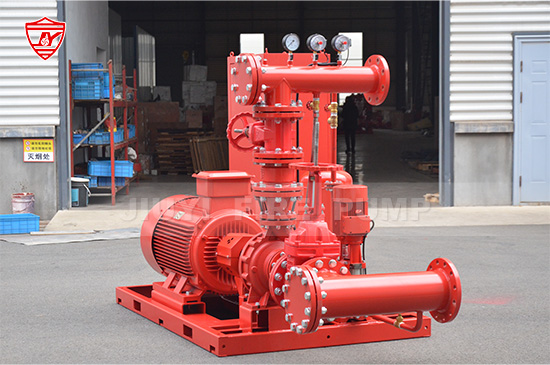
Fire pump commissioning is a crucial step in ensuring the reliability of fire protection systems. Delays during this stage can disrupt project schedules, increase costs, and postpone facility occupancy.
Most commissioning delays are preventable with proper planning, thorough inspections, and strong coordination between project stakeholders.
By verifying installation quality, preparing testing infrastructure, completing documentation, and conducting internal tests before official inspections, project teams can significantly reduce the risk of commissioning delays.