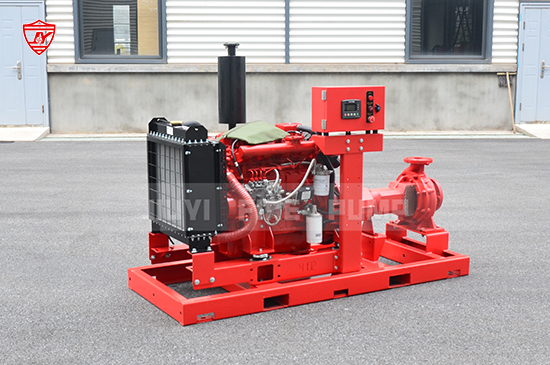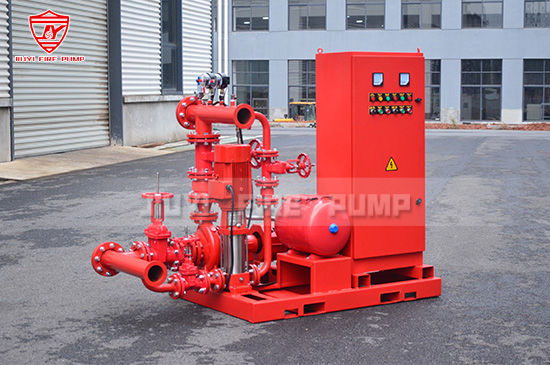
Fire pump systems play a critical role in modern fire protection. They ensure that water is delivered at the correct pressure and flow rate to sprinkler systems, standpipes, hydrants, and other fire suppression equipment. However, one important design decision in fire protection engineering is whether to use a zoned fire pump system or a single zone fire pump system.
Both approaches are widely used in buildings, industrial facilities, and infrastructure projects. The best choice depends on factors such as building height, system pressure requirements, safety considerations, and overall system reliability.
In this article, we will compare fire pump zoned systems and single zone systems, explore how they work, examine their advantages and disadvantages, and explain when each option is the better choice.
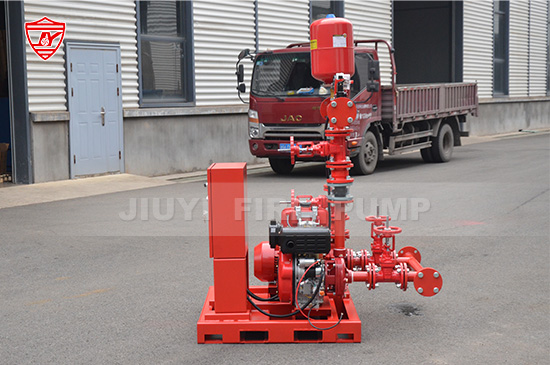
What Is a Single Zone Fire Pump System?
A single zone fire pump system is the simplest and most traditional fire protection configuration. In this design, one fire pump provides water pressure and flow for the entire building or protected area.
All sprinklers, standpipes, and fire protection equipment operate within the same pressure zone. The pump is sized to meet the maximum demand required by the entire system.
This means the fire pump must generate enough pressure to supply the most demanding point in the building, which is typically the highest floor or the most hydraulically remote sprinkler.
How It Works
In a single zone fire protection system:
-
One fire pump supplies the entire network
-
The system operates under one pressure level
-
Water distribution pipes serve the entire building
-
Pressure reducing valves may be used in lower floors if pressure becomes too high
Single zone systems are commonly used in:
-
Low-rise buildings
-
Warehouses
-
Industrial plants
-
Small commercial facilities
-
Buildings with moderate height
The simplicity of this design makes it cost-effective and easy to maintain.
What Is a Zoned Fire Pump System?
A zoned fire pump system divides a building into multiple pressure zones. Each zone is supplied by its own fire pump or pressure control arrangement.
This design is especially common in tall buildings or facilities where the required pressure varies significantly between floors or areas.
Instead of one pump supplying the entire building, the structure is separated into several vertical or horizontal zones, each with its own pressure requirements.
How It Works
In a zoned fire protection system:
-
The building is divided into multiple pressure zones
-
Each zone has its own pump, tank, or pressure control device
-
Water pressure is optimized for that specific zone
-
System pressure remains within safe limits
For example, a high-rise building might be divided like this:
Zone 1: Floors 1–10
Zone 2: Floors 11–20
Zone 3: Floors 21–30
Each zone receives water from a pump designed specifically for that pressure range.
This prevents excessive pressure at lower floors and ensures adequate pressure at higher levels.
Key Differences Between Zoned and Single Zone Fire Pump Systems
Understanding the differences between these two designs helps engineers select the most appropriate fire protection strategy.
1. Pressure Management
Single Zone System
One pump must generate enough pressure for the entire building. This can create excessive pressure at lower floors in tall buildings.
Zoned System
Each zone operates at an appropriate pressure level, preventing dangerously high pressures.
Pressure control is one of the main reasons zoning is used in high-rise fire protection.
2. Building Height Limitations
Single zone systems are typically suitable for:
-
Low-rise buildings
-
Facilities with limited elevation changes
-
Buildings where pressure requirements are manageable
Zoned systems are often required for:
-
High-rise buildings
-
Large complexes
-
Buildings with very high pressure requirements
In tall buildings, a single pump may need extremely high pressure to reach the top floors. This can exceed safe pressure limits for piping and sprinkler components.
3. System Complexity
Single zone fire pump systems are simpler to design and install.
They involve:
-
One fire pump
-
One main supply network
-
Minimal pressure control equipment
Zoned fire pump systems are more complex. They often require:
-
Multiple pumps
-
Pressure regulating valves
-
Intermediate tanks or break tanks
-
Additional control panels
Because of this complexity, zoned systems require more detailed engineering.
4. Installation Cost
Single zone systems usually have lower initial costs because they require fewer components.
Costs typically include:
-
One fire pump set
-
Basic control system
-
Standard piping network
Zoned systems generally cost more because they require:
-
Multiple fire pumps
-
Additional piping networks
-
Pressure control devices
-
More installation labor
However, in large buildings, zoning may actually reduce overall system costs by avoiding extremely high-pressure components.
5. Maintenance Requirements
Maintenance is typically easier with single zone systems because there are fewer components.
Zoned systems require maintenance for:
-
Multiple pumps
-
Multiple controllers
-
Additional valves and controls
However, zoned systems may provide operational advantages if one zone requires maintenance while others remain operational.
6. System Reliability
Reliability is a critical factor in fire protection design.
A single zone system relies heavily on one main pump. If the pump fails and no backup system is available, the entire building may lose fire protection pressure.
Zoned systems may improve reliability because the system is divided into multiple sections.
In some designs, redundancy can be added within each zone, increasing overall system resilience.
Advantages of Single Zone Fire Pump Systems
Single zone systems remain popular due to several practical benefits.
Simple Design
The system layout is straightforward and easy to understand. This reduces design errors and simplifies installation.
Lower Initial Cost
Because only one pump is required, equipment and installation costs are typically lower.
Easier Maintenance
Maintenance personnel only need to inspect and maintain one primary pump system.
Suitable for Many Buildings
Most low-rise commercial buildings, factories, and warehouses operate effectively with single zone fire pump systems.
Advantages of Zoned Fire Pump Systems
Zoned systems offer several advantages for larger or taller structures.
Better Pressure Control
Each zone operates within an optimal pressure range. This prevents excessive pressure that could damage pipes, valves, and sprinklers.
Ideal for High-Rise Buildings
Tall buildings require high water pressure to deliver water to upper floors. Zoning ensures pressure is distributed safely and effectively.
Improved System Efficiency
By tailoring pump performance to each zone, the system can operate more efficiently.
Enhanced Safety
Pressure management reduces the risk of system failures caused by over-pressurization.
When Should a Zoned Fire Pump System Be Used?
Zoned fire pump systems are commonly used in situations such as:
High-rise buildings
Large commercial complexes
Hospitals
Airports
Large industrial facilities
Buildings exceeding safe pressure limits
Zoning becomes necessary when system pressure exceeds the maximum allowable pressure for sprinkler systems or piping components.
In many jurisdictions, building codes or fire protection standards may require zoning for tall structures.
When Is a Single Zone System the Better Choice?
A single zone fire pump system is often the better choice for:
Low-rise buildings
Warehouses
Shopping centers
Manufacturing plants
Buildings with limited vertical height
If the system pressure needed to reach the highest point remains within acceptable limits, a single zone system is usually the most efficient and economical option.
Design Considerations for Fire Pump Zoning
When designing a zoned fire pump system, engineers must consider several factors.
Maximum Allowable Pressure
Fire protection components have pressure limits. These limits determine how many zones are required.
Building Height
Taller buildings usually require more pressure zones to manage water pressure effectively.
Pump Selection
Each zone may require different pump capacities depending on the hydraulic demand.
System Redundancy
Backup pumps or redundant systems may be required to ensure reliability.
Code Compliance
Fire pump design must comply with applicable fire protection standards and local building regulations.
Future Trends in Fire Pump System Design
As buildings grow taller and more complex, zoned fire pump systems are becoming increasingly common.
Advances in fire protection technology are also improving system efficiency and monitoring capabilities.
Modern fire pump controllers and monitoring systems allow facility managers to track system performance, detect pressure irregularities, and ensure reliable operation.
Additionally, integrated fire protection designs are combining zoned systems with advanced pressure control technologies to improve safety and operational flexibility.
Conclusion
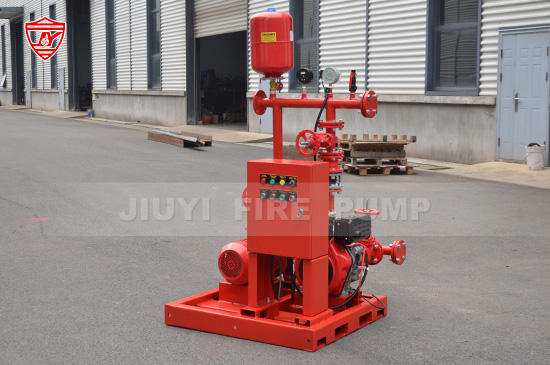
Choosing between a fire pump zoned system and a single zone system depends on building height, pressure requirements, safety considerations, and project budget.
Single zone fire pump systems are simple, cost-effective, and ideal for low-rise buildings and industrial facilities. Their straightforward design makes installation and maintenance easier.
Zoned fire pump systems, on the other hand, provide superior pressure management and are essential for high-rise buildings and large complexes. By dividing the building into pressure zones, these systems ensure safe and reliable water delivery for fire protection.
For fire protection engineers, developers, and facility managers, selecting the right system requires careful evaluation of building characteristics, hydraulic demand, and applicable fire safety standards.
Ultimately, the best fire pump system is the one that ensures reliable performance, safe pressure levels, and effective fire protection for the entire building.
.jpg)