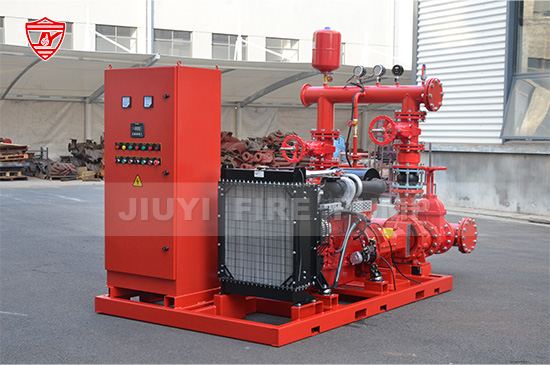
Vertical turbine fire pumps play a critical role in modern fire protection systems, especially when the available water source is located far below ground level. In many industrial, municipal, and large-scale commercial applications, fire water is drawn from deep reservoirs, underground tanks, lakes, rivers, or deep wells where conventional horizontal fire pumps cannot operate reliably. Understanding why vertical turbine fire pumps are the preferred solution for these conditions is essential for engineers, contractors, and project owners involved in fire safety system design.
This article explains the technical, hydraulic, and operational reasons why vertical turbine fire pumps are widely used for deep reservoirs, and why they are often the only practical and code-compliant choice.
Fire pump performance depends heavily on stable and sufficient suction conditions. When water is stored in a deep reservoir, the vertical distance between the pump and the water surface creates several challenges:
Insufficient net positive suction head for horizontal pumps
Risk of cavitation due to negative suction pressure
Difficulty in maintaining prime
Unstable flow caused by fluctuating water levels
In fire protection systems, failure to deliver rated flow and pressure during an emergency is unacceptable. This is why fire safety standards require pump solutions that can reliably handle deep water sources under all operating conditions.
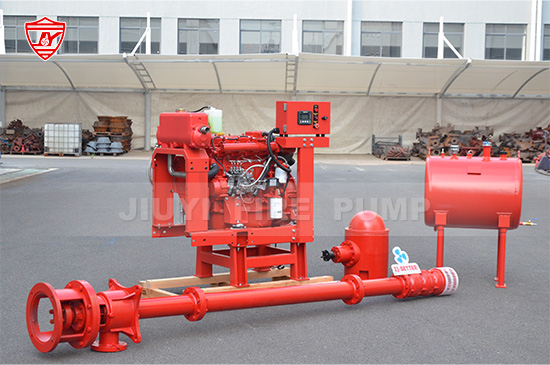
A vertical turbine fire pump is a centrifugal pump specifically designed to draw water from deep water sources. Unlike horizontal split case or end suction pumps, the pumping elements are submerged below the water level.
The system typically consists of:
A vertical motor or diesel engine mounted above ground
A discharge head assembly
Vertical column pipes
Line shafts
One or more submerged impellers located in a bowl assembly
This configuration allows the pump to lift water efficiently from deep reservoirs while maintaining stable hydraulic performance.
One of the most important advantages of vertical turbine fire pumps is their ability to operate without priming.
Horizontal fire pumps require the suction line to be fully flooded. In deep reservoir applications, maintaining a flooded suction is often impossible. Air pockets, long suction piping, or fluctuating water levels can prevent proper priming, leading to delayed start or pump failure.
Vertical turbine fire pumps eliminate this risk because:
The impellers are already submerged in water
Suction lift is not required
The pump is always ready to operate immediately
This characteristic is especially critical in fire emergencies where every second matters.
Vertical turbine fire pumps are engineered specifically for high lift conditions. Their multi-stage impeller design allows them to generate high pressure while lifting water from significant depths.
Key performance advantages include:
Stable flow regardless of water depth
High efficiency at deep suction levels
Consistent pressure delivery at rated capacity
These pumps can easily handle water sources that are tens of meters below grade, making them ideal for underground tanks, deep wells, and open reservoirs.
Fire protection systems must comply with strict international standards, particularly NFPA 20. Vertical turbine fire pumps are explicitly recognized and recommended by fire safety codes for situations where the water source is below the pump installation level.
Code compliance advantages include:
Approved design for deep wells and open bodies of water
Clear installation guidelines for reservoirs and sumps
Proven acceptance by fire authorities and insurance inspectors
Using a vertical turbine fire pump simplifies system approval and reduces the risk of non-compliance during inspections.
Cavitation is a major concern in fire pump systems. It occurs when vapor bubbles form due to low pressure at the pump inlet, leading to noise, vibration, performance loss, and long-term damage.
In deep reservoir applications, horizontal pumps are especially vulnerable to cavitation due to:
Long suction piping
Negative suction pressure
High flow demand during fire events
Vertical turbine fire pumps significantly reduce cavitation risk because the impellers operate below the water surface, where inlet pressure remains positive and stable.
Many deep reservoirs experience water level changes due to seasonal variation, consumption, or evaporation. Horizontal fire pumps often require precise suction conditions and can struggle when water levels drop.
Vertical turbine fire pumps are highly adaptable:
Bowl assemblies can be positioned well below the minimum water level
Performance remains stable even with fluctuating reservoir depth
System reliability is maintained without manual adjustment
This flexibility makes them ideal for remote or unmanned fire pump installations.
In many projects, especially urban or industrial facilities, space is limited. Vertical turbine fire pumps offer a compact footprint compared to large horizontal pumps with extensive suction piping.
Installation benefits include:
Smaller pump room footprint
Simplified suction layout
Direct vertical alignment with water source
This design advantage can significantly reduce civil construction costs and simplify system layout.
Vertical turbine fire pumps are not limited to one type of reservoir. They are widely used for:
Underground concrete tanks
Steel water tanks with deep sumps
Lakes and rivers
Canals and open pits
Deep wells
Their versatility makes them a preferred choice for industrial plants, power stations, petrochemical facilities, mining operations, and municipal infrastructure.
Fire pumps are rarely used, but when they are needed, they must work flawlessly. Vertical turbine fire pumps are designed for long-term standby operation with minimal degradation.
Reliability features include:
Robust shaft and bearing design
Controlled vibration levels
Proven materials for submerged components
With proper installation and maintenance, these pumps provide decades of dependable service, making them a sound long-term investment for fire protection systems.
Vertical turbine fire pumps are typically selected when:
The water source is below ground level
Flooded suction cannot be guaranteed
High lift and stable pressure are required
Fire safety code compliance is critical
In many deep reservoir projects, they are not just the best option, but the only viable solution.
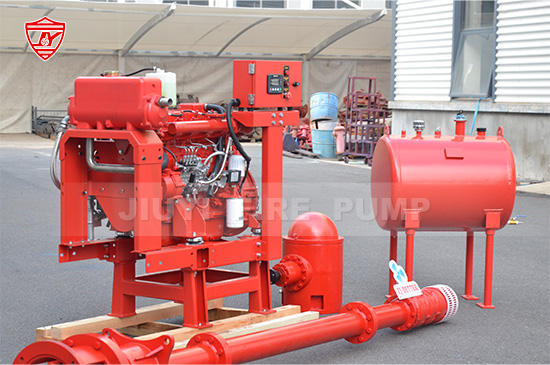
Vertical turbine fire pumps are specifically engineered to overcome the challenges of deep reservoir water sources. Their submerged impeller design, reliable suction performance, compliance with fire safety standards, and adaptability to varying water levels make them essential in modern fire protection systems.
For facilities relying on deep water storage for fire protection, choosing a vertical turbine fire pump is a proven and trusted solution that ensures performance, reliability, and compliance when it matters most.
As a fire pump manufacturer, understanding and communicating these advantages helps project stakeholders make informed decisions that protect lives, assets, and infrastructure.
.jpg)
.jpg)