
Fire protection systems play a crucial role in safeguarding lives and property during emergencies. Yet, one critical challenge that can compromise a building’s fire protection is a power outage. When the main power supply fails—due to storms, grid failures, or accidents—the fire pump system must continue to function without interruption. Ensuring your fire pump remains reliable during power loss is essential to maintain a building’s fire readiness and compliance with NFPA 20 standards.
This article explores the key factors that ensure fire pump reliability during power outages, including system design, power redundancy, equipment selection, and preventive maintenance.
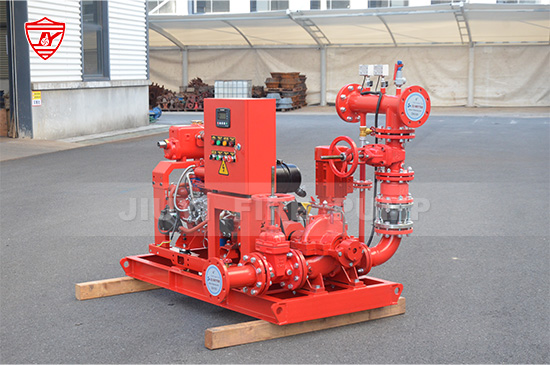
Fire pumps are the heart of a fire protection system, providing the necessary water pressure to sprinkler systems and hydrants during a fire emergency. If the pump fails to start due to a power interruption, the entire fire suppression system becomes ineffective—leaving the property and occupants vulnerable.
Power outages are unpredictable, and they can happen precisely when you least expect them—sometimes during major fire incidents. Therefore, designing a reliable fire pump system that continues operating regardless of the main power supply status is not just a regulatory requirement; it’s a life-saving necessity.
The most effective strategy to ensure reliability is to equip the fire pump with redundant power sources. Depending on the type of building and risk assessment, this can be achieved through:
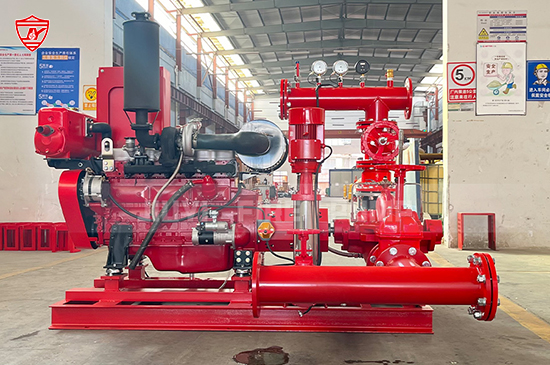
Diesel engine fire pumps are the most common backup for areas prone to power instability. These pumps operate independently of the electrical grid, relying on fuel stored in an on-site tank.
Advantages:
Operates during complete electrical failure.
Starts automatically upon signal from the fire pump controller.
NFPA 20-compliant for emergency standby applications.
Key considerations:
Regular fuel testing to prevent contamination.
Adequate ventilation and exhaust systems.
Periodic run tests to confirm automatic start capability.
Where diesel engines are not feasible, an emergency generator can supply power to the electric fire pump motor.
Advantages:
Cleaner operation with less on-site maintenance.
Suitable for high-rise buildings and urban environments.
Key considerations:
The generator must be properly sized to handle full pump load.
Automatic transfer switches (ATS) are essential for seamless power transition.
The generator and fire pump controller should be tested regularly under load conditions.
Fire pump reliability is not just about having a backup—it’s about ensuring that every component meets recognized safety and performance standards.
NFPA 20 (Standard for the Installation of Stationary Pumps for Fire Protection):
Specifies requirements for power supply reliability, pump types, controllers, and testing procedures.
UL and FM Approvals:
Pumps, controllers, and engines with UL listed or FM approved certifications ensure that the components have been tested for performance under emergency conditions.
By using UL-listed electric fire pumps or diesel engine fire pumps, building owners can trust that their system will operate correctly when power fails.
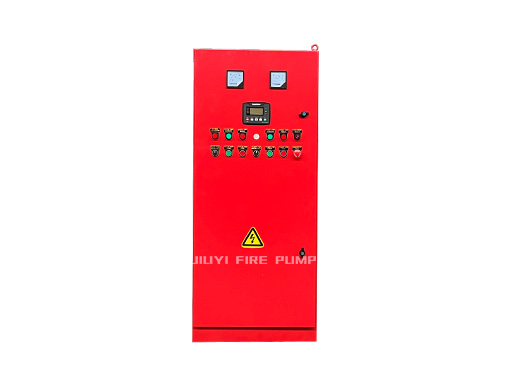
A fire pump controller is the brain of the system, managing the startup and shutdown of the pump based on signals from pressure sensors. During power outages, it plays a crucial role in switching between power sources and ensuring that the fire pump starts automatically.
Electric Fire Pump Controllers: Designed to receive power from either the main supply or an emergency generator.
Diesel Fire Pump Controllers: Automatically start the engine upon pressure drop or power loss.
Key reliability features to look for:
Dual power input capability.
Manual start override for emergency conditions.
Event logging and alarm signals for maintenance tracking.
Even the best-designed fire pump system will fail if it is not properly maintained. Routine maintenance ensures that pumps, controllers, and power supplies are in ready condition at all times.
Recommended maintenance schedule:
Weekly:
Conduct a no-flow (churn) test to confirm automatic start.
Check for abnormal noise, vibration, or leaks.
Monthly:
Verify controller indicators, alarm signals, and power supply status.
Inspect fuel levels and condition in diesel pumps.
Quarterly:
Simulate power failure to test generator or diesel engine startup response.
Confirm automatic transfer switch (ATS) function.
Annually:
Full-flow performance test per NFPA 25.
Inspect all electrical connections and insulation integrity.
A well-documented maintenance program not only improves reliability but also ensures compliance with fire codes and insurance requirements.
Power reliability can also be affected by environmental factors. Proper installation and environmental control are critical for maintaining performance.
Location:
Install fire pumps in a dedicated, accessible pump room.
Avoid flood-prone or high-humidity areas.
Ventilation:
Diesel pumps require fresh air for combustion and cooling.
Electric pumps need adequate ventilation to prevent overheating.
Temperature Control:
Keep ambient temperature above 4°C to prevent freezing.
Use heaters or insulation if installed in cold climates.
By addressing site-specific conditions, you minimize operational risk during a power outage.
Jockey pumps maintain system pressure during normal operation, preventing unnecessary start-ups of the main fire pump. During a power outage, their function becomes even more important to stabilize system pressure until the main pump activates.
Although jockey pumps are small, they contribute to overall system efficiency and reliability. For ultimate protection, the jockey pump should also have an emergency power supply connection to avoid false fire pump activation.
Modern fire protection systems now integrate IoT and remote monitoring technologies. These allow facility managers to monitor pump status, controller alarms, fuel levels, and power conditions in real-time from a central dashboard.
Advantages of smart monitoring include:
Early detection of potential failures.
Reduced downtime through predictive maintenance.
Instant alerts during power or pump failures.
For mission-critical facilities like hospitals, data centers, or industrial plants, these monitoring systems provide an added layer of reliability.
One of the best ways to ensure readiness is to simulate a power outage and observe how the system responds. During such a test:
Verify that the generator or diesel engine starts automatically.
Check that the fire pump achieves full operating pressure and flow.
Ensure that controller alarms and indicators function properly.
Regularly conducting these tests builds confidence that your system will perform flawlessly during a real emergency.
Ultimately, fire pump reliability depends on the quality of design and manufacturing. A trusted fire pump manufacturer provides not only UL or NFPA-compliant products but also comprehensive support—from installation guidance to after-sales maintenance.
When selecting a supplier, consider:
Proven experience in UL-listed and NFPA 20 fire pump systems.
Availability of both electric and diesel-driven pump options.
Technical support for testing and commissioning.
Spare parts and service accessibility.
Partnering with an experienced manufacturer ensures that every component—from the pump to the controller—is engineered for long-term reliability.
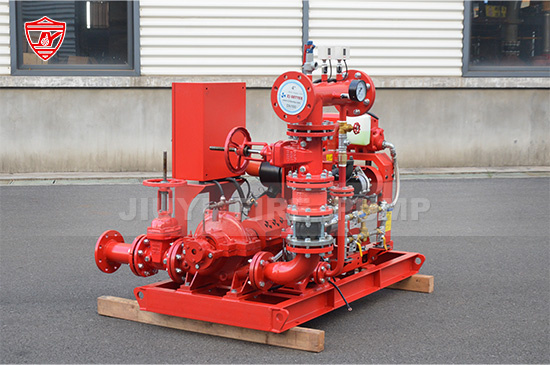
Power outages should never compromise fire protection. By integrating redundant power sources, following NFPA 20 standards, maintaining equipment regularly, and investing in UL-listed pumps and controllers, you can guarantee uninterrupted fire pump reliability under any circumstance.
Reliable fire pump systems save lives and protect property—and during a power outage, their performance is the ultimate test of a facility’s preparedness.
.jpg)