Fire pump systems are the backbone of any fire protection infrastructure. Whether installed in industrial facilities, commercial buildings, or large-scale infrastructure projects, their reliability directly determines how effectively a fire emergency can be controlled. Over time, even the most well-designed systems may experience performance degradation due to wear, improper maintenance, or changing operational demands. Evaluating the performance of an existing fire pump system is therefore essential to ensure safety, compliance, and long-term operational efficiency.
This article provides a comprehensive guide on how to assess fire pump system performance, covering key parameters, testing methods, common issues, and optimization strategies.
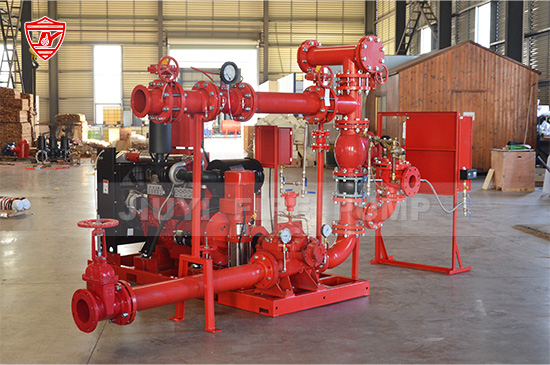
A fire pump system is not something you can afford to fail during an emergency. Regular performance evaluation ensures that the system operates as designed when needed most. It helps identify hidden issues such as reduced flow capacity, pressure drops, mechanical wear, or control system failures before they escalate into critical problems.
Performance evaluation also ensures compliance with industry standards and insurance requirements. Many regulations require periodic testing and documentation, making performance assessment not just a technical necessity but also a legal obligation.
Additionally, evaluating system performance allows operators to optimize energy usage and extend equipment lifespan, reducing long-term operational costs.
To properly evaluate a fire pump system, it is essential to focus on several critical performance indicators.
Flow rate is one of the most important parameters. The pump must deliver the required water volume to meet the system demand. Any deviation from the rated flow can compromise firefighting effectiveness.
Pressure is equally important. The system must maintain adequate pressure at all times to ensure water reaches all protected areas. Insufficient pressure may render sprinklers or hydrants ineffective.
Pump efficiency reflects how well the pump converts mechanical energy into hydraulic energy. A drop in efficiency often indicates internal wear, impeller damage, or system resistance issues.
Net Positive Suction Head (NPSH) is another key factor. Insufficient NPSH can lead to cavitation, which damages the pump and reduces performance.
Driver performance, whether electric motor or diesel engine, must also be evaluated. The driver must operate within its rated capacity and provide consistent power under all conditions.
Control system functionality is often overlooked but critical. Controllers, sensors, and alarms must respond accurately and promptly during operation.
Before conducting any tests, a thorough visual inspection should be carried out. This helps identify obvious issues that may affect performance.
Check for leaks in pipes, valves, and pump casing. Even minor leaks can lead to pressure loss over time. Inspect the alignment between the pump and the driver, as misalignment can cause vibration and reduce efficiency.
Look for signs of corrosion, especially in older systems or those exposed to harsh environments. Corrosion can weaken structural integrity and restrict water flow.
Examine the condition of seals, bearings, and couplings. Worn components can lead to mechanical failure during operation.
Also verify that all valves are in the correct position. A partially closed valve can significantly impact flow and pressure readings during testing.
The most reliable way to evaluate system performance is through a full flow test. This test measures the pump’s ability to deliver water at different flow rates and pressures.
Start by recording baseline data such as pump rated capacity, design pressure, and manufacturer specifications. Then operate the pump and gradually increase the flow rate using test headers or flow meters.
Measure and record pressure at key points, including suction and discharge. Compare the actual performance curve with the original pump curve. Any significant deviation indicates a potential issue.
A typical performance test includes three main points: churn (no flow), rated flow, and 150 percent of rated flow. At churn, the pump should maintain stable pressure without overheating. At rated flow, it should meet design specifications. At 150 percent flow, it should still operate without excessive vibration or pressure drop.
Ensure that all instruments used during testing are calibrated to guarantee accurate results.
For electric-driven pumps, check voltage, current, and power consumption during operation. Any abnormal readings may indicate electrical inefficiencies or motor issues.
For diesel-driven pumps, monitor fuel consumption, engine temperature, oil pressure, and exhaust emissions. These parameters provide insight into engine health and performance stability.
Vibration analysis is another valuable tool. Excessive vibration often points to imbalance, misalignment, or bearing wear. Addressing these issues early can prevent major failures.
Noise levels should also be observed. Unusual sounds may indicate cavitation, loose components, or internal damage.
The fire pump does not operate in isolation. Its performance is closely tied to the overall system design and condition.
Check for friction losses in piping. Over time, deposits and scaling can increase resistance, reducing flow efficiency. Cleaning or replacing affected sections may be necessary.
Evaluate the suction conditions. Poor suction design, air leaks, or insufficient water supply can lead to cavitation and reduced performance.
Inspect discharge piping and distribution networks. Ensure there are no blockages or restrictions that could impact water delivery.
Hydraulic balance within the system is essential. An imbalance can cause uneven pressure distribution, affecting system reliability.
During performance evaluation, several common issues may arise.
Reduced flow and pressure are often caused by worn impellers, clogged pipes, or incorrect valve settings. Addressing these problems typically involves cleaning, repair, or component replacement.
Cavitation is another frequent issue. It occurs when vapor bubbles form and collapse within the pump, causing damage and noise. Improving suction conditions usually resolves this problem.
Overheating may result from excessive friction, poor lubrication, or operating outside design parameters. Regular maintenance and proper operation can prevent overheating.
Control system failures can lead to delayed or incorrect pump activation. Testing and maintaining controllers and sensors is essential.
Once issues are identified, appropriate corrective actions should be taken to restore and enhance system performance.
Regular maintenance is the foundation of reliable operation. This includes lubrication, alignment checks, and timely replacement of worn parts.
Upgrading outdated components can significantly improve efficiency. Modern impellers, motors, and control systems offer better performance and reliability.
Optimizing system design may also be necessary. This could involve resizing pipes, improving suction conditions, or reconfiguring the distribution network.
Implementing a monitoring system allows real-time tracking of performance parameters. Early detection of anomalies enables proactive maintenance and reduces downtime.
Training personnel is equally important. Operators should understand system operation, testing procedures, and emergency protocols.
A one-time evaluation is not sufficient to ensure long-term reliability. Establishing a regular testing and inspection schedule is essential.
Weekly checks should include visual inspections and basic operational tests. Monthly tests may involve running the pump under load and verifying key parameters.
Annual performance tests should be more comprehensive, including full flow testing and detailed analysis. Documentation of all results is crucial for tracking trends and ensuring compliance.
A structured schedule helps maintain consistency and ensures that potential issues are addressed promptly.
Accurate documentation is a critical part of performance evaluation. All test results, observations, and corrective actions should be recorded in detail.
Performance data should be compared over time to identify trends. A gradual decline in performance may indicate underlying issues that require attention.
Reports should be clear and structured, making it easy for stakeholders to understand system condition and necessary actions.
Proper documentation also supports compliance with regulatory requirements and provides valuable insights for future system upgrades.
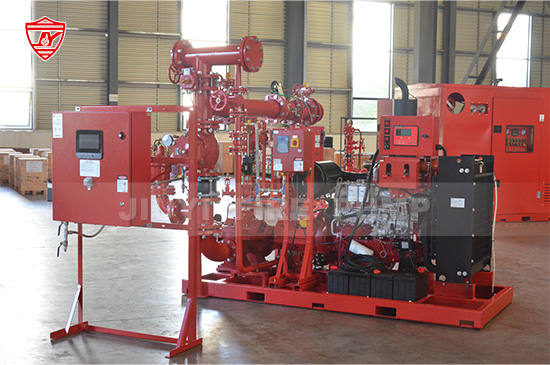
Evaluating the performance of an existing fire pump system is a vital process that ensures reliability, safety, and compliance. By systematically assessing key parameters, conducting thorough inspections, and performing regular tests, operators can identify and address issues before they compromise system effectiveness.