
Upgrading fire pumps is a critical step in maintaining the reliability, compliance, and performance of any fire protection system. However, for facilities such as manufacturing plants, data centers, hospitals, and commercial complexes, shutting down operations is often not an option. The challenge lies in improving or replacing fire pump systems while ensuring uninterrupted protection and business continuity.
This article explores practical strategies, engineering considerations, and proven methods to upgrade fire pumps without shutting down operations, helping facility managers, contractors, and engineers achieve both safety and efficiency.
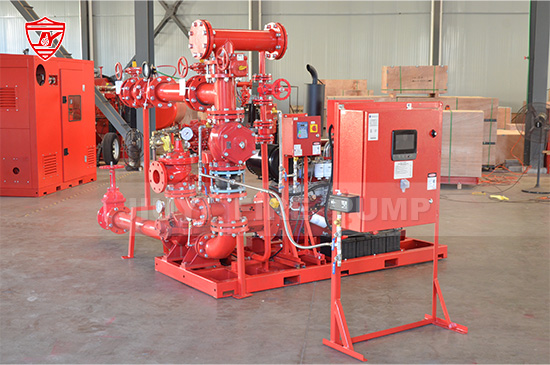
Fire pumps are the heart of a fire protection system. Over time, they may require upgrades due to several factors:
Aging equipment leading to reduced performance or reliability
Changes in fire safety regulations or compliance requirements
Expansion of facilities increasing water demand
Technological advancements improving efficiency and monitoring
Frequent maintenance issues or failure risks
Delaying upgrades can expose facilities to serious risks, including system failure during emergencies, non-compliance penalties, and increased operational costs.
Unlike other mechanical systems, fire pumps cannot simply be turned off for replacement. Fire protection must remain active at all times, especially in high-risk or high-occupancy environments. This means any upgrade must be carefully planned to ensure:
Continuous fire protection coverage
Compliance with applicable standards such as NFPA 20
Minimal disruption to operations
Safe integration with existing systems
Achieving this requires a combination of strategic planning, temporary solutions, and phased execution.
One of the most effective approaches is to deploy a temporary fire pump system before removing the existing unit. This ensures uninterrupted fire protection throughout the upgrade process.
Temporary systems may include:
Mobile fire pump units
Skid-mounted diesel or electric pumps
Rental fire pump packages
These systems are connected to the existing piping network and tested to ensure they meet required pressure and flow conditions. Once operational, the original pump can be safely taken offline for replacement.
If space and system design allow, installing a new fire pump in parallel with the existing one is a highly efficient solution. This method involves:
Installing the new pump alongside the current system
Connecting it to the same suction and discharge lines
Testing and commissioning the new pump independently
Gradually transitioning operations to the new system
Once the new pump is fully operational, the old unit can be decommissioned without interrupting fire protection.
This approach is particularly useful for large facilities or those planning long-term system expansion.
In complex systems, a phased upgrade can minimize risks and downtime. Instead of replacing the entire fire pump system at once, components are upgraded in stages.
Typical phases may include:
Control panel replacement
Motor or engine upgrade
Pump casing or impeller replacement
Valve and piping modifications
Each phase is carefully scheduled and executed while maintaining system functionality, often during low-risk operational periods.
Installing bypass piping is another effective method to maintain water flow during upgrades. A temporary bypass line is created to reroute water around the fire pump being upgraded.
Key considerations include:
Ensuring adequate flow and pressure through the bypass
Proper valve configuration to isolate sections safely
Testing the bypass system before starting upgrade work
This method is commonly used when upgrading specific components rather than the entire pump system.
Facilities with redundant fire pump systems already have a significant advantage. In such setups, one pump can be taken offline while the other maintains full protection.
To leverage redundancy effectively:
Verify that the remaining pump can handle full system demand
Conduct performance testing before taking one pump offline
Ensure automatic switching and control systems are functioning properly
This approach reduces complexity and eliminates the need for temporary equipment in many cases.
Upgrading fire pumps without shutdown requires detailed engineering and coordination. Key factors to consider include:
Before any upgrade, it is essential to analyze the facility’s fire protection requirements. This includes:
Required flow rate (GPM)
Pressure requirements (PSI or bar)
Hazard classification of the facility
The new system must meet or exceed these requirements to ensure compliance and safety.
Fire pump upgrades must comply with relevant standards and codes, such as NFPA 20. This includes:
Pump performance criteria
Installation requirements
Testing and commissioning procedures
Failure to comply can result in system rejection during inspections and increased liability.
Seamless integration is critical to avoid operational issues. This involves:
Matching pipe sizes and connections
Ensuring compatibility with existing control systems
Coordinating electrical and mechanical interfaces
Proper planning prevents delays and reduces the risk of system failure.
A comprehensive risk assessment should be conducted before starting the upgrade. This includes:
Identifying potential hazards during installation
Planning emergency response measures
Ensuring personnel safety
Clear communication and coordination among all stakeholders are essential.
Testing is a crucial part of any fire pump upgrade. However, it must be conducted without compromising fire protection.
Best practices include:
Performing pre-installation testing of new equipment
Using temporary systems to maintain coverage during testing
Scheduling tests during low-risk periods
Conducting full performance tests before final commissioning
Proper documentation of test results is also important for compliance and future maintenance.
Even with careful planning, certain mistakes can compromise the success of a fire pump upgrade:
Underestimating system demand and installing undersized equipment
Failing to provide adequate temporary fire protection
Poor coordination between contractors and facility management
Skipping critical testing and commissioning steps
Ignoring compliance requirements
Avoiding these pitfalls ensures a smoother upgrade process and long-term system reliability.
When executed correctly, upgrading fire pumps without shutting down operations offers several advantages:
Continuous protection for people and assets
No interruption to business operations
Improved system performance and reliability
Enhanced compliance with modern standards
Reduced long-term maintenance costs
Investing in a strategic upgrade approach ultimately strengthens the overall safety infrastructure of the facility.
As technology advances, fire pump upgrades are becoming more efficient and less disruptive. Emerging trends include:
Smart fire pump systems with real-time monitoring
Modular pump designs for easier installation and replacement
Energy-efficient motors and engines
Advanced control panels with remote diagnostics
These innovations further simplify the process of upgrading systems without downtime and improve overall system management.
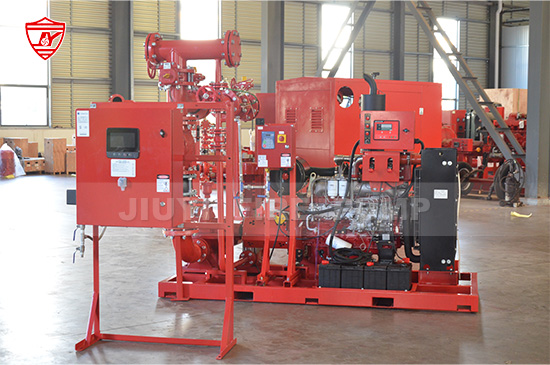
Upgrading fire pumps without shutting down operations is not only possible but increasingly necessary in today’s fast-paced industrial and commercial environments. By using strategies such as temporary systems, parallel installations, phased upgrades, and bypass piping, facilities can maintain continuous fire protection while modernizing their infrastructure.
Success depends on thorough planning, compliance with standards, and collaboration between experienced engineers, manufacturers, and contractors. With the right approach, organizations can enhance safety, ensure regulatory compliance, and avoid costly operational disruptions.
.jpg)