Fire protection systems are one of the most critical safety components in any commercial, industrial, or residential building. At the center of these systems is the fire pump, a device designed to deliver the required water flow and pressure during a fire emergency. Choosing the right fire pump is not only important for regulatory compliance but also essential for protecting lives, property, and business operations.
Many building owners, contractors, and engineers face challenges when selecting a fire pump because every building has different fire protection requirements. Factors such as building height, water supply conditions, hazard level, and system demand all influence the final decision.
This guide explains how to choose the right fire pump for your building and highlights the key factors that should be considered before purchasing or installing a fire pump system.
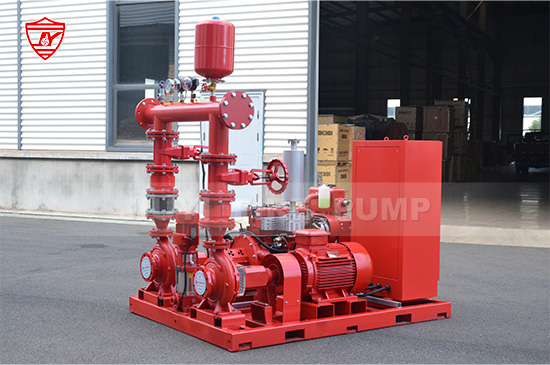
A fire pump is a specialized pump used in fire protection systems to increase water pressure for sprinkler systems, hydrants, and standpipes. Fire pumps are typically activated when the pressure in the fire sprinkler system drops below a preset level.
Fire pumps are commonly powered by:
They are widely used in:
A properly selected fire pump ensures that water reaches every part of the building with sufficient pressure during a fire emergency.
Selecting the wrong fire pump can create serious operational and safety problems. An undersized pump may fail to provide adequate pressure or flow during a fire, while an oversized pump may cause excessive pressure, equipment damage, and unnecessary energy costs.
The right fire pump helps achieve:
Fire pumps are long-term investments, so choosing the correct model from the beginning can prevent costly modifications later.
Before selecting a fire pump, it is important to fully understand the fire protection needs of the building.
Different buildings require different fire protection strategies.
Examples include:
Industrial buildings with higher fire hazards often require larger flow capacities and more robust fire pump systems.
High-rise buildings require higher discharge pressure to deliver water to upper floors. The taller the building, the greater the pressure requirement.
For example:
Fire protection systems are designed according to hazard levels:
Buildings with higher fire risks require greater water flow and pressure.
Always check local fire regulations and building codes. Most projects follow NFPA 20 requirements for fire pump installation, testing, and performance.
Many international projects also require UL listed or FM approved fire pumps for certification and insurance purposes.
One of the most important steps in fire pump selection is calculating the required flow rate and pressure.
Flow rate is usually measured in:
The required flow depends on:
Larger facilities typically require higher flow capacities.
Pressure requirements depend on:
A hydraulic calculation is usually performed by fire protection engineers to determine the exact system demand.
Selecting a pump without accurate hydraulic calculations can result in insufficient system performance.
Different fire pump designs are suitable for different applications.
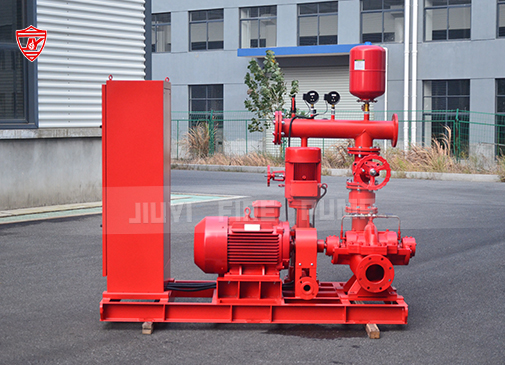
Horizontal split case pumps are among the most common fire pumps used in commercial and industrial buildings.
Advantages:
Best suited for:
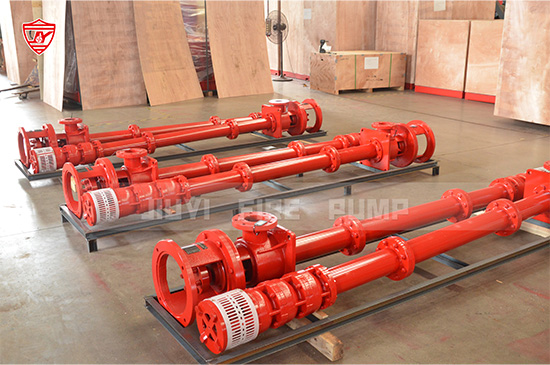
Vertical turbine fire pumps are typically used when the water source is underground, such as wells, rivers, or tanks below ground level.
Advantages:
Best suited for:
End suction pumps are compact and economical.
Advantages:
Best suited for:
Multistage pumps are designed for high-pressure applications.
Advantages:
Best suited for:
One of the most common questions in fire pump selection is whether to use an electric fire pump or a diesel engine fire pump.
Advantages:
Best suited for:
Limitations:
Advantages:
Best suited for:
Limitations:
Many large facilities use both electric and diesel fire pumps to ensure redundancy and reliability.
The available water supply has a direct impact on fire pump selection.
Common water sources include:
Important factors include:
Poor suction conditions can cause cavitation, which damages the pump and reduces performance.
Proper suction design is essential for long-term reliability.
Fire pumps should comply with recognized industry standards.
Important certifications include:
Certified fire pumps provide:
For international projects, certification requirements should always be confirmed before procurement.
The available installation space can affect the type and configuration of the fire pump system.
Consider:
Compact pump room designs may require vertical or space-saving configurations.
Proper layout planning also improves future maintenance efficiency.
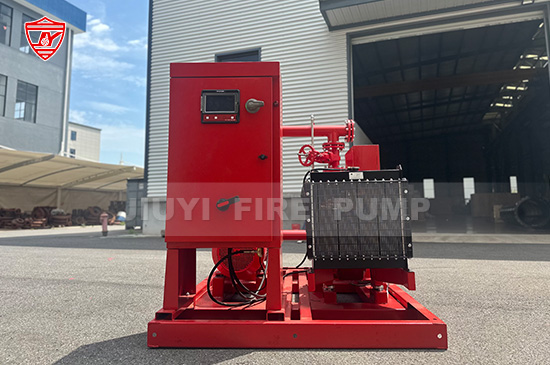
The controller is the brain of the fire pump system. It automatically starts the pump when system pressure drops.
Types of controllers include:
Key features to consider:
Reliable controllers are essential for dependable fire protection performance.
A jockey pump maintains pressure in the fire protection system and prevents unnecessary fire pump starts caused by small pressure drops.
Benefits of a jockey pump:
A complete fire pump package usually includes:
Fire pumps require regular inspection and maintenance to remain operational.
When selecting a fire pump, consider:
Choosing a reliable manufacturer with strong technical support can reduce downtime and long-term operational costs.
Low-cost pumps may not meet required safety standards or provide long-term reliability.
Buildings may expand in the future, increasing water demand. Selecting a slightly larger capacity can provide flexibility for future upgrades.
Improper calculations can result in inadequate fire protection.
Some projects require UL listed or FM approved equipment. Failing to meet certification requirements can delay project approval.
Improper installation can reduce pump efficiency and reliability.
Choosing an experienced fire pump manufacturer is just as important as selecting the pump itself.
A professional manufacturer can help with:
Manufacturers with extensive project experience can provide customized solutions for different industries and building types.
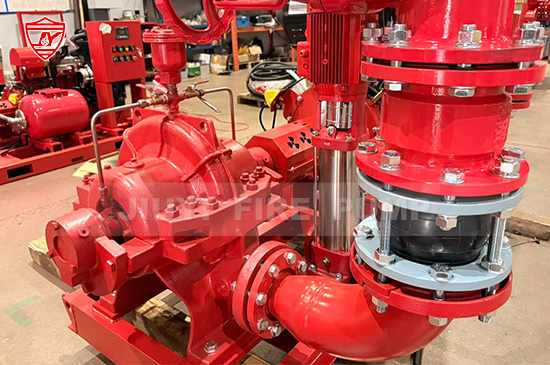
Choosing the right fire pump for your building requires careful evaluation of flow requirements, pressure demands, building characteristics, water supply conditions, and regulatory standards. Every building has unique fire protection needs, and selecting the correct fire pump system is essential for ensuring safety and compliance.
Whether the project requires a horizontal split case pump, vertical turbine fire pump, electric fire pump, or diesel engine fire pump, the key is to focus on reliability, performance, and long-term operational efficiency.