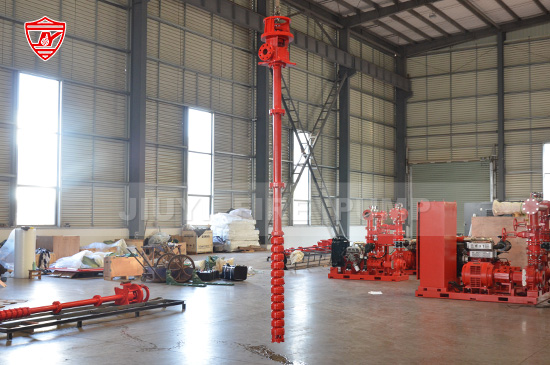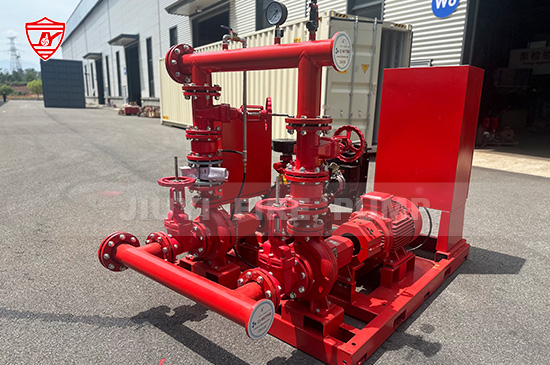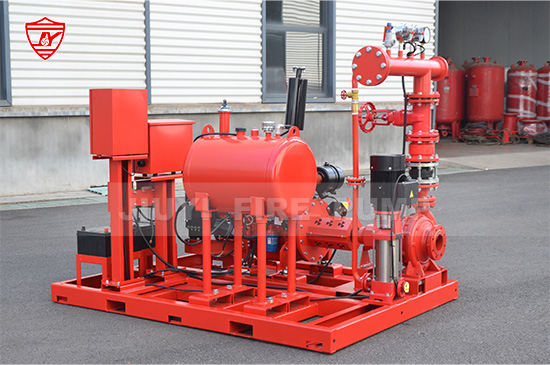
When designing fire protection systems for multi-tenant buildings, one of the most critical components is the fire pump. Fire pumps are essential for ensuring that a building’s fire protection system can operate effectively in the event of a fire. Properly designed fire pumps guarantee sufficient water pressure and flow to suppress fires quickly, protecting both the building’s occupants and the structure itself.
In this article, we will explore key considerations and best practices for designing fire pumps specifically for multi-tenant buildings. This includes an overview of fire pump requirements, system design approaches, and how to meet local regulations.
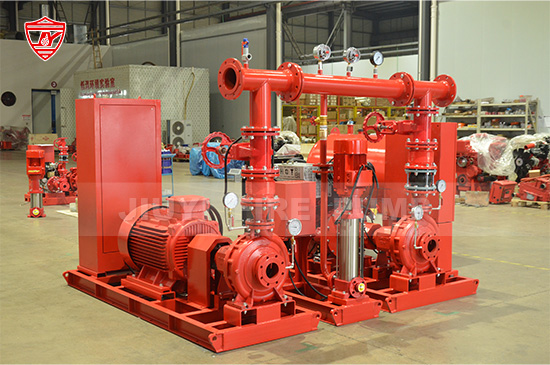
Fire pumps are vital to providing adequate water pressure to sprinkler systems and standpipes during a fire emergency. They are especially crucial in high-rise buildings or multi-tenant buildings, where water pressure from municipal sources may not be sufficient to reach the upper floors. Fire pumps work by increasing the water flow and pressure to these systems, ensuring they deliver the necessary amount of water to suppress fires at various points in the building.
The primary objective of fire pump design is to ensure that the pump can supply sufficient pressure and flow, even during extreme fire conditions. It’s also important that the pump can handle the fluctuating demands of the fire protection system, especially in buildings with multiple tenants, where water demand may vary depending on the fire's location.
The first step in designing a fire pump system for a multi-tenant building is to ensure compliance with local building codes and fire safety regulations. In the U.S., fire pumps must adhere to the National Fire Protection Association (NFPA) 20 standard, which sets the criteria for the design and installation of fire pumps.
For multi-tenant buildings, NFPA 13 (Standard for the Installation of Sprinkler Systems) also comes into play. This standard outlines the minimum water supply requirements for sprinkler systems, including the required pressure and flow rates for different types of occupancy. Compliance with these codes is essential to ensure that the building’s fire protection system is adequate and effective.
In addition to NFPA, it’s important to consider local building codes, municipal water supply regulations, and insurance requirements, all of which may have their own stipulations for fire pump design.
When designing fire pumps for multi-tenant buildings, there are several factors that need to be taken into account. These include water source, pump sizing, electrical considerations, and system redundancy.
One of the most important factors in designing fire pumps is determining the water source. In most cases, municipal water systems provide the primary source of water for fire pumps. However, in high-rise buildings or areas where municipal water pressure is insufficient, an alternative water source may be needed.
Some buildings use water storage tanks or reservoirs, which provide water to the pump in case of a water supply interruption. It’s important to assess the availability of water and the capacity needed to support the fire protection system, especially in larger multi-tenant buildings where the water demand can be quite high.
The sizing of the fire pump is one of the most crucial aspects of the design process. The fire pump must be sized to meet the flow and pressure requirements specified by the applicable building codes, such as NFPA 13 and 20.
To properly size a fire pump, the following factors need to be considered:
The total area of the building: Larger buildings with more square footage require higher flow rates.
The number of floors: Tall buildings need more pressure to distribute water to the upper floors.
The type of occupancy: The intended use of the building (e.g., residential, commercial, or mixed-use) will influence the design requirements.
The design of the sprinkler system: The pump must be able to provide the necessary pressure to activate sprinklers across all areas of the building.
Fire flow requirements: Depending on the local regulations, fire flow rates will vary based on the building's fire-resistive construction, type of occupancy, and proximity to fire hydrants.
It’s important to work closely with fire protection engineers to determine the correct pump size, ensuring that the system is effective for all possible fire scenarios.
Fire pumps require reliable and uninterrupted power to operate effectively during a fire emergency. As such, electrical considerations are a critical part of fire pump design.
In multi-tenant buildings, it is essential to ensure that the fire pump has its own dedicated power supply, separate from the building’s normal electrical system. This is to prevent power disruptions caused by system overloads or failure during a fire.
There are two main types of electrical systems used for fire pumps:
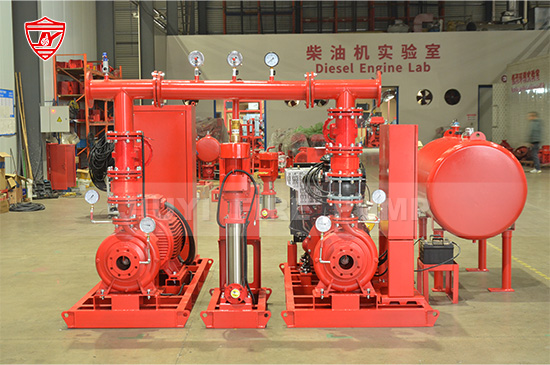
Electric motor-driven pumps: These pumps are powered by electricity from the building’s power supply. They are ideal for buildings with access to a reliable municipal power grid.
Diesel engine-driven pumps: These pumps are powered by diesel engines and are typically used in buildings where electrical power may be unreliable or unavailable. They provide an independent power source and can operate even during power outages.
Both systems require backup power sources, such as emergency generators or batteries, to ensure continued operation if the primary power supply fails.
For multi-tenant buildings, redundancy is a key aspect of fire pump design. In the event that one pump fails or requires maintenance, a backup system should be in place to ensure that fire protection is not compromised.
This can be achieved through the installation of a secondary fire pump or standby pump, which can be automatically activated if the primary pump fails. A standby pump should be capable of supplying water to the sprinkler system and standpipes in case the main pump is out of service.
In addition to backup pumps, it’s important to have redundant power supplies, control systems, and alarms to ensure that the fire pump system remains fully operational at all times.
In multi-tenant buildings, the fire pump must be capable of maintaining consistent water pressure throughout the system. Pressure regulation is essential to ensure that the water is distributed evenly across all floors and areas of the building.
To achieve this, fire pump systems are often equipped with pressure relief valves, which help maintain the correct pressure levels throughout the system. These valves prevent excessive pressure from building up in the system, which could damage the pipes or other components of the fire protection system.
Once the fire pump system is installed, it’s critical to ensure that it is regularly tested and maintained. Fire pumps should be tested periodically to verify their performance and to ensure they meet the flow and pressure requirements specified by the local building codes.
Regular maintenance, including checking the pump’s condition, power supply, and control systems, is also necessary to prevent failures during emergencies. Proper maintenance records should be kept for inspection purposes and to comply with regulations.
Designing fire pumps for multi-tenant buildings involves a careful balance of ensuring adequate water pressure, meeting local codes and regulations, and planning for system redundancy and reliability. By considering factors such as water supply, pump sizing, electrical systems, and pressure regulation, fire safety professionals can ensure that a building’s fire pump system provides reliable protection during a fire emergency.