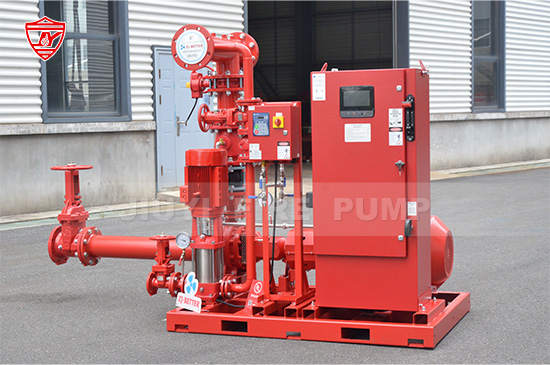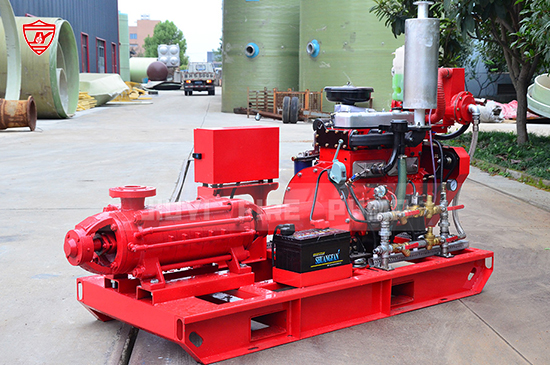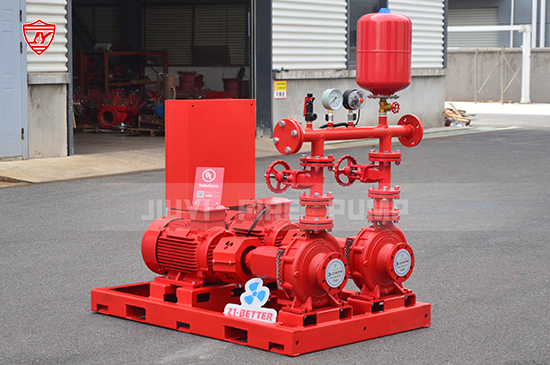
Fire safety is a vital aspect of ensuring the protection of life and property in any facility, especially critical infrastructure like hospitals, data centers, and power plants. These structures rely on an uninterrupted water supply to combat fire hazards and mitigate damage in the event of a fire. To ensure maximum safety and compliance with fire protection standards, designing a redundant fire pump system is crucial. This article will guide you through the key considerations and best practices for designing a reliable and redundant fire pump system for critical infrastructure.
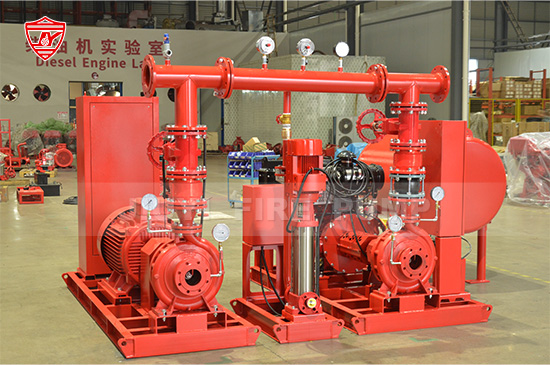
A redundant fire pump system refers to a setup where multiple fire pumps are installed to provide backup capabilities. In this system, if one pump fails due to mechanical issues, power loss, or other causes, the second pump automatically takes over, ensuring that the fire protection system remains operational. Redundancy enhances reliability, which is crucial for critical infrastructure that cannot afford downtime during an emergency.
The need for redundancy becomes more pressing when considering that fire pumps are the heart of a building’s fire suppression system. Without a functional fire pump, the fire protection system will fail, endangering lives, damaging equipment, and potentially causing catastrophic financial loss.
Critical infrastructure, by definition, refers to systems that are essential for the functioning of society and its economy. Examples include hospitals, airports, data centers, chemical plants, and power stations. These facilities are not only expensive but also serve essential services that the public relies on. A failure in fire protection at these locations can have catastrophic consequences.
Some reasons why a redundant fire pump system is essential for critical infrastructure are:
Uninterrupted Fire Protection: In an emergency, the fire protection system must work without any disruption. Redundant systems ensure that there is no single point of failure.
Compliance with Regulations: Many fire protection regulations require that critical infrastructure have backup systems. These standards help guarantee safety.
Operational Reliability: A redundant fire pump system provides peace of mind that even if one pump fails, the other will still perform, safeguarding lives and property.
When designing a redundant fire pump system, several factors must be considered to ensure that the system meets the needs of the facility, complies with regulations, and provides optimal fire protection. Below are the primary considerations:
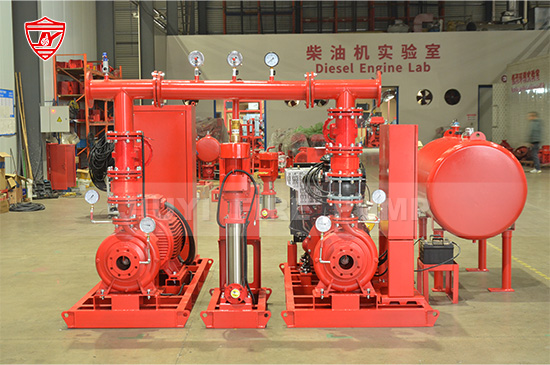
The type of fire pump selected is crucial to the system’s overall performance. For critical infrastructure, the most common types of fire pumps are:
Electric Fire Pumps: These are often the primary choice due to their efficiency and reliability.
Diesel Engine Fire Pumps: Diesel pumps are used as secondary backup pumps because they are independent of the electrical grid. Diesel pumps are reliable for locations where power loss is a major concern.
Jockey Pumps: These are small pumps used to maintain system pressure when the main fire pumps are not operating.
Both electric and diesel pumps are typically installed in parallel to create a redundant system. This means that if one fails, the other can continue to provide water supply for fire suppression.
For a fire pump system to remain operational during an emergency, it needs a reliable and redundant power supply. This involves:
Primary Power Supply: Most fire pump systems rely on a direct connection to the building's electrical grid.
Backup Power Supply: A diesel generator or alternate power source should be installed to provide power if the grid fails. This is essential for locations prone to power outages.
Uninterruptible Power Supply (UPS): For systems requiring minimal downtime, a UPS can provide instantaneous backup power until the main generator kicks in.
Proper configuration and sizing are key to ensuring that the fire pump system can meet the facility’s needs during an emergency. The number and capacity of fire pumps should be selected based on the:
Flow and Pressure Requirements: Calculate the required flow and pressure based on the building’s size, occupancy, and fire protection needs.
Risk Assessment: A comprehensive risk assessment should help determine the best pump capacity and redundancy needed for a facility.
N+1 Redundancy: This configuration ensures that even if one pump fails, there are still enough pumps running to provide adequate pressure and flow.
Redundant fire pump systems rely heavily on control panels and automation to function smoothly. These systems manage and monitor the performance of each pump, ensuring that the backup pumps are activated in case of failure. Key features of control systems include:
Automatic Transfer Switch (ATS): In the event of a power failure, the ATS switches from the primary power source to the backup power source without manual intervention.
Pressure Switches and Alarms: These devices monitor pressure levels and automatically start pumps when required. Alarms notify operators of any system malfunction.
System Testing and Maintenance: Automated testing systems allow regular checks without manual involvement. Maintenance should be performed to prevent pump failure during emergencies.
The layout of the fire pump system and the location of the pumps are critical to ensuring accessibility, functionality, and efficiency. Factors to consider include:
Location of Pumps: Pumps should be housed in a dry, secure, and easily accessible area. This will allow for prompt maintenance and quick response during an emergency.
Piping and Valves: Properly designed and sized piping should be used to ensure efficient water flow. The installation of isolation valves and pressure-relief valves is necessary to prevent system damage.
Distance from Critical Equipment: Ensure that fire pumps are located away from areas that could be compromised during a fire. This minimizes the risk of losing fire protection if the building’s main structure is damaged.
Designing a redundant fire pump system for critical infrastructure must comply with local, national, and international fire protection standards. Key regulations include:
NFPA 20 (Standard for the Installation of Stationary Pumps for Fire Protection): This standard outlines the requirements for fire pump installation, including redundancy and reliability.
UL Listings: Fire pumps used in critical infrastructure should be UL listed to meet safety and performance standards.
Insurance Requirements: Many insurers require that critical infrastructure meet certain fire protection criteria, including redundant fire pump systems.
A fire pump system is only as reliable as its ability to perform when needed. Regular testing and maintenance ensure that the system operates properly during an emergency. Testing should include:
Routine Inspections: Perform visual checks and tests to ensure there are no leaks, corrosion, or malfunctioning components.
Operational Tests: Run the system through its full cycle to ensure that all pumps, controls, and power systems function correctly.
Pressure and Flow Tests: Test the system’s pressure and flow rates to ensure they meet the required standards.
A proactive maintenance plan should be established, including scheduled service and replacement of worn-out parts.
To ensure that the redundant fire pump system remains reliable, consider the following best practices:
Design with N+1 Redundancy: Always have one more pump than necessary to handle the expected load. This ensures that if one pump fails, the system remains operational.
Test Frequently: Perform regular system checks to identify any potential issues before they become critical.
Ensure Backup Power Availability: A diesel generator and UPS should be part of your system to avoid power loss during emergencies.
Use Quality Components: Invest in high-quality pumps, valves, and control systems to ensure long-lasting performance.
Follow Regulatory Standards: Adhere to industry regulations, including NFPA standards, to ensure the system meets safety requirements.
A redundant fire pump system is crucial for protecting critical infrastructure from fire hazards. Designing such a system requires careful planning, the right equipment selection, compliance with regulations, and regular testing. By following best practices and considering the specific needs of the facility, businesses can ensure that their fire protection systems remain reliable, even in the face of unforeseen emergencies. Whether for hospitals, data centers, or chemical plants, redundancy in fire pump systems is key to ensuring both safety and compliance.