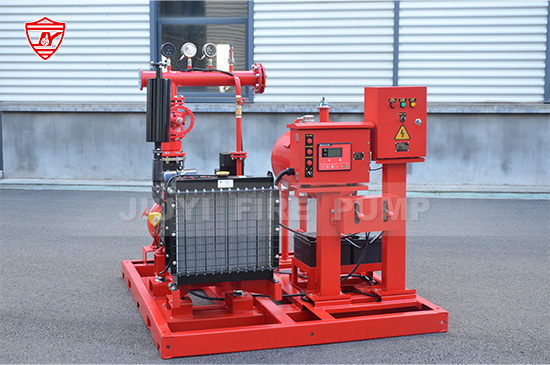
When it comes to ensuring the safety of your facility, choosing the right fire fighting pump is a crucial decision. A fire pump is an integral part of a fire protection system, delivering water at high pressure to fight fires effectively. Selecting the right one can mean the difference between containing a fire before it escalates and facing catastrophic damage. In this article, we'll guide you through the key considerations to keep in mind while choosing a fire fighting pump for your facility.
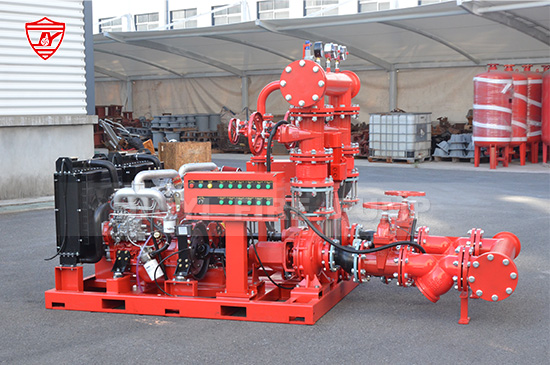
Fire fighting pumps are designed to supply water to fire protection systems, such as sprinkler systems, hydrants, or standpipes, when the water supply from local mains is insufficient. The main types of fire fighting pumps include:
Electric Fire Pumps: Powered by electricity, these pumps are efficient and reliable for facilities with a steady electrical supply.
Diesel Engine Fire Pumps: These are ideal for facilities where electricity may be unreliable, or where backup power is essential.
Jockey Pumps: These are smaller pumps used to maintain pressure in the system, ensuring it is always ready to operate when required.
Vertical Turbine Pumps: Often used for deep wells or locations requiring high-pressure water supply.
Each type of pump serves a different purpose, so selecting the one most suited to your needs is essential for an effective fire protection system.
The first step in selecting the right fire pump is determining the required flow rate and pressure for your facility. The flow rate measures how much water the pump can supply per minute, and the pressure ensures that the water reaches the necessary height and distance to fight fires.
Flow Rate: The flow rate you need depends on the size of your facility, the fire hazards present, and the local fire codes. Larger facilities or high-risk environments may need higher flow rates.
Pressure: The pressure is the amount of force the pump can generate to push the water through the system. Your pump should meet or exceed the pressure requirements specified in your local building codes.
Consult with fire safety engineers to determine the specific flow rate and pressure required based on the fire protection system design and your facility’s size.
The power source is another key consideration when choosing a fire fighting pump. Different types of pumps rely on different power sources:
Electric Pumps: These are typically more efficient and easier to maintain but require a reliable power supply. If your area experiences power outages, consider adding a backup power supply.
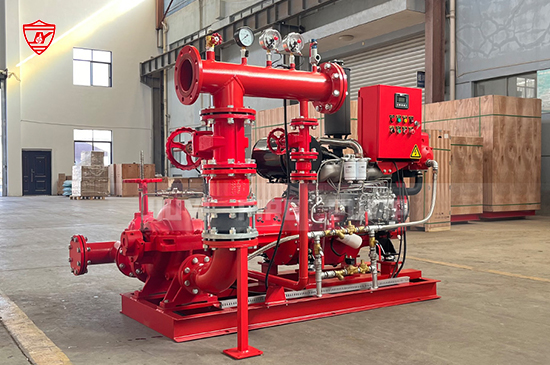
Diesel Engine Pumps: These pumps are self-sufficient and do not rely on external power sources. They are ideal for areas where power interruptions are common. However, diesel pumps may require more maintenance and operational costs.
Hybrid Systems: Some fire pumps combine electric and diesel engines, providing reliability while also offering backup power in case of an emergency.
Evaluate the likelihood of power disruptions in your area and the reliability of your local power grid when selecting the appropriate power source.
In order to ensure the safety and performance of your fire fighting pump, it’s critical to choose a model that complies with local and national standards. These standards, such as the NFPA 20 (National Fire Protection Association) or UL (Underwriters Laboratories) listing, ensure that the pump meets safety requirements and performs effectively during an emergency.
NFPA 20 Compliance: This is the standard for the installation of fire pumps in the United States. It covers the design, installation, and maintenance of fire pump systems to ensure they provide the necessary pressure and flow in the event of a fire.
UL Listed: Fire pumps that are UL listed are certified to meet specific safety and performance criteria. UL (Underwriters Laboratories) is a global safety certification organization, and their approval is a trusted sign of quality.
Make sure that the fire pump you choose is UL listed and compliant with the relevant local fire codes to ensure safety and reliability.
A fire pump should be reliable and durable, as it must function flawlessly during an emergency. Choose a pump that is built with high-quality materials and designed for long-term use. Pumps that are manufactured with corrosion-resistant materials such as stainless steel tend to last longer, especially when exposed to harsh conditions.
Additionally, ensure the pump comes with a warranty and that the manufacturer offers solid customer support in case maintenance or repairs are needed.
The initial cost of purchasing a fire pump is only one factor to consider. You should also assess the installation and maintenance costs associated with the pump over its lifetime. Installation of fire pumps should be performed by professionals who are experienced in fire safety systems. Improper installation can lead to costly repairs and potential failures during emergencies.
Moreover, regular maintenance is essential to ensure that your fire pump remains in good working condition. Diesel pumps, for example, require more frequent maintenance due to their complex engine systems. Choose a fire pump that is easy to maintain and has readily available replacement parts.
Fire pumps come in various sizes and configurations. The size of the pump should fit within the space allocated for it in your facility. Consider the footprint of the pump and ensure that there is enough room for installation and any necessary maintenance activities.
You should also account for adequate ventilation, especially for diesel engine pumps that produce heat during operation. Proper airflow will ensure that the pump operates efficiently and safely.
A jockey pump is a smaller, high-speed pump that maintains pressure within the fire protection system. It is used to compensate for small fluctuations in pressure and ensure the fire pump remains primed and ready to activate when needed. Jockey pumps are especially important for maintaining system readiness, and they can reduce the frequency with which the main fire pump needs to start.
If your facility has fluctuating water pressure or requires continuous system readiness, a jockey pump may be a necessary addition.
The location of your facility and environmental factors should influence the type of fire pump you choose. For example, if your facility is located in an area prone to extreme temperatures or humidity, you may need a pump designed to withstand these conditions.
Additionally, operational factors such as the frequency of pump usage and the typical load conditions should be taken into account. Some fire pumps are designed for continuous duty, while others are suitable for intermittent use.
Choosing the right fire fighting pump for your facility requires careful consideration of several technical and regulatory factors. It’s always a good idea to consult with a fire safety professional who can help you evaluate your facility’s unique needs and recommend the best fire pump solution. A professional can assist with determining the correct specifications, ensuring compliance with local codes, and overseeing the installation and maintenance of your fire pump system.
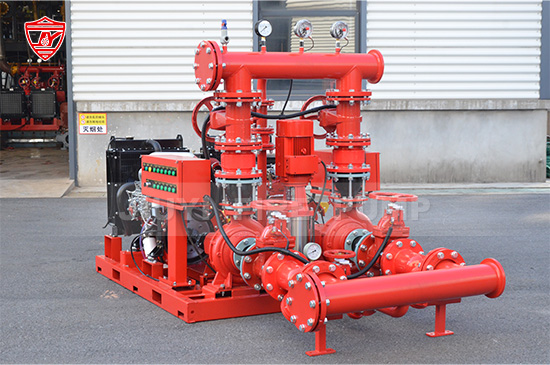
Selecting the right fire fighting pump for your facility is critical for ensuring the safety and protection of your property, assets, and personnel. By understanding the required flow rate, pressure, power source, compliance standards, and environmental factors, you can make an informed decision on the best fire pump for your needs. Always work with qualified fire safety professionals to ensure the proper installation and ongoing maintenance of your fire pump system.
Choosing the right fire fighting pump is a long-term investment in the safety of your facility, and it is worth taking the time to make the right choice.
.jpg)