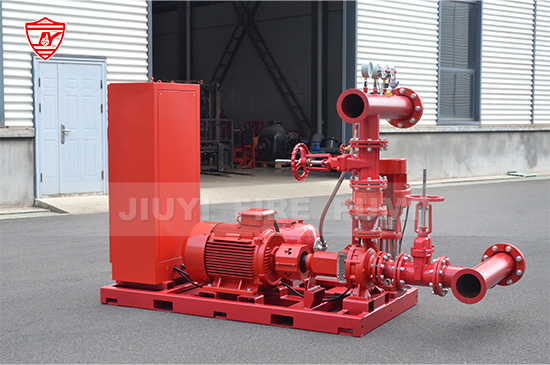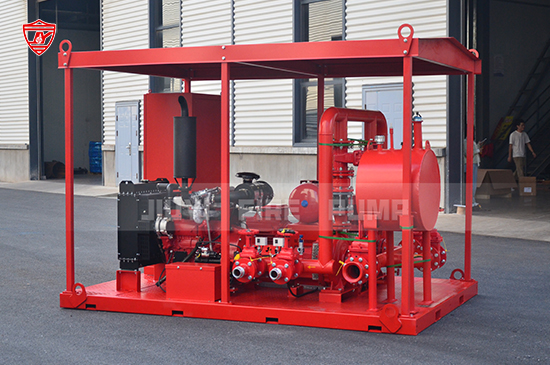
Fire safety systems play a crucial role in saving lives and protecting property during a fire emergency. Among these systems, a fire pump system stands as one of the most vital components in ensuring that water is available at the right pressure and volume when needed most. In this article, we’ll explore what a fire pump system is, its types, how it works, and why it's an indispensable part of fire protection.
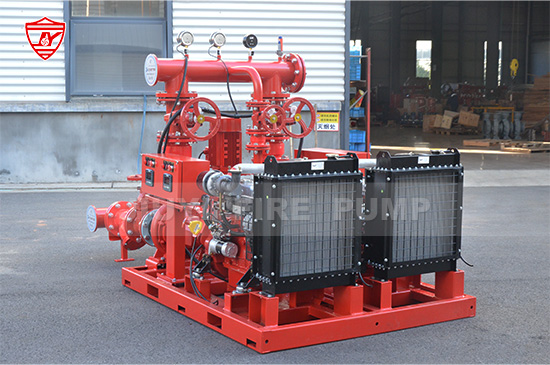
A fire pump system is designed to provide water at the required pressure to fight fires. It pumps water from a source—such as a tank, pond, or municipal water system—through a network of pipes and hoses to various fire suppression systems, such as sprinklers, hydrants, or standpipe systems. These pumps are equipped to handle the high water pressure needed to suppress fires effectively, even in large buildings or industrial complexes.
Fire pump systems are typically powered by electric motors, diesel engines, or steam turbines, depending on the location and needs of the facility. The primary function is to ensure a continuous, reliable water supply during emergencies, making them essential for meeting both building codes and national safety regulations.
There are different types of fire pump systems, each suited to various scenarios. The most common types include:
Electric Fire Pumps:
Electric fire pumps are powered by electricity and are generally the most common type. They are used in most commercial and industrial buildings, where reliable access to electricity is available. Electric pumps are easy to maintain, energy-efficient, and can operate quietly compared to other types.
Diesel Engine Fire Pumps:
Diesel engine fire pumps are typically used in areas where access to electricity is limited or unreliable. These pumps are powered by diesel engines, making them highly reliable, even during power outages. They are often used in remote locations or facilities with high fire risk.
Jockey Pumps:
Jockey pumps are smaller fire pumps that maintain the pressure in the fire protection system. They are used to compensate for minor pressure drops that occur when water is consumed, keeping the system pressurized without activating the larger fire pump.
Vertical Turbine Fire Pumps:
These pumps are designed for water sources located underground or below the pump installation. Vertical turbine fire pumps are typically used in situations where the water source is deep or difficult to reach, like large reservoirs or water tanks located at ground level or below.
Horizontal Split Case Fire Pumps:
Horizontal split case pumps are ideal for systems that require high flow rates, such as large commercial buildings, hospitals, or industrial plants. They have a horizontally mounted shaft and casing, providing efficient performance for demanding applications.
The functionality of a fire pump system hinges on its ability to draw water from a reliable source and push it through pipes to various fire suppression systems. Here’s how the system works:
Activation of the Fire Pump:
When a fire is detected, the fire alarm system sends a signal to the fire pump controller, triggering the pump to start. In some cases, the pump may also start automatically when there is a significant drop in pressure within the water supply lines.
Water Source and Pressure Build-up:
The pump draws water from a nearby source—such as a water tank, reservoir, or municipal supply—and begins to build up the necessary pressure. The pump ensures that there is enough water pressure to reach high floors in tall buildings, supply sprinklers throughout a building, and provide adequate water flow for firefighters.
Distribution of Water:
The pressurized water flows through an extensive network of pipes, hoses, and sprinkler heads to ensure the fire is suppressed. The fire pump ensures that water is delivered to all the necessary fire suppression systems, providing a robust defense against the flames.
Backup Systems:
Many fire pump systems are equipped with backup power sources—either diesel engines or battery-powered systems—to ensure that the pump remains functional even in the event of power failure. This redundancy is crucial for fire safety in areas with unpredictable electricity availability.
A reliable fire pump system is crucial for the safety and protection of life and property. Here are several reasons why fire pump systems are indispensable:
Fire Suppression:
The most obvious and critical function of a fire pump system is to supply water to fire suppression systems. A fire sprinkler system, for example, relies on the availability of water at the correct pressure to extinguish a fire before it spreads.
Complying with Fire Safety Regulations:
Many jurisdictions have specific fire safety codes that require buildings, especially commercial and industrial ones, to be equipped with fire pump systems. These codes often mandate that fire pumps meet minimum standards of water pressure and capacity to ensure reliable firefighting.
Life Safety:
The most important benefit of a fire pump system is that it ensures the safety of building occupants. In case of fire, the system provides vital water supply to sprinklers and fire hydrants, which can stop the fire from growing out of control, allowing people time to escape.
Protecting Property and Assets:
Fire damage can be catastrophic to businesses, especially when it destroys equipment, documents, inventory, and infrastructure. By having a robust fire pump system in place, businesses can minimize fire damage, safeguarding their property and assets.
Ensuring Operational Continuity:
For businesses that rely on critical infrastructure, such as hospitals, factories, or data centers, having an effective fire pump system ensures that fire protection does not interrupt daily operations. Fire protection systems allow businesses to continue functioning while minimizing the risk of significant loss in case of a fire.
Preventing Insurance Claims and Penalties:
Insurance companies often require buildings to have fire protection systems, including fire pumps, to reduce the risk of large fire claims. A lack of such systems can lead to higher premiums or even policy rejection. Additionally, failure to comply with fire safety regulations can result in heavy fines and penalties.
Selecting the right fire pump system for your building or facility involves several considerations. Here are some key factors to evaluate:
Building Size and Fire Risk:
Larger buildings or those with higher fire risk (like factories, chemical plants, or hospitals) will require more powerful fire pump systems capable of providing higher water flow and pressure.
Water Source Availability:
The water supply's location and capacity are essential factors in choosing the right type of fire pump. For example, a vertical turbine fire pump might be necessary if the water source is located underground or in deep reservoirs.
Power Supply and Backup:
Evaluate whether your facility is prone to power outages. If it is, you may want to consider diesel-powered fire pumps that can operate independently of the electrical grid.
Compliance with Local Codes:
Ensure that the fire pump system meets all relevant local and national fire safety standards. This includes checking the required water pressure, pump capacity, and backup power sources.
Maintenance Requirements:
Fire pumps require regular maintenance to ensure they are always ready to operate in an emergency. Choose a system with easy-to-maintain components and a reliable service provider for upkeep.
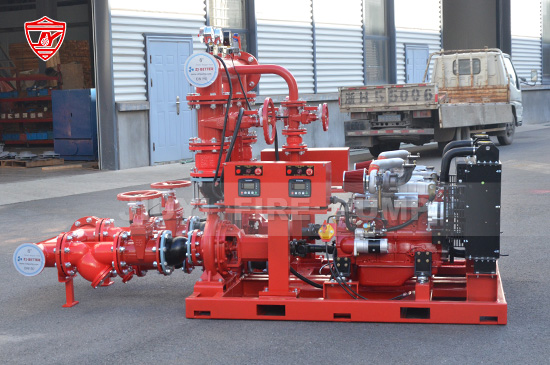
Fire pump systems are essential for ensuring the safety of both lives and property during a fire emergency. By providing a reliable source of water and the necessary pressure for fire suppression systems, fire pumps play a pivotal role in protecting buildings, assets, and individuals. Whether it's a commercial building, industrial facility, or residential property, a well-maintained fire pump system is not just a regulatory requirement but a critical component of any comprehensive fire protection strategy.
Understanding how fire pump systems work and why they are so important allows facility managers, business owners, and safety officers to make informed decisions about the systems that will best meet their needs. Ensure your fire protection system is up to standard and ready for emergencies—investing in a reliable fire pump system today can save lives and minimize the potential impact of a fire tomorrow.
.jpg)