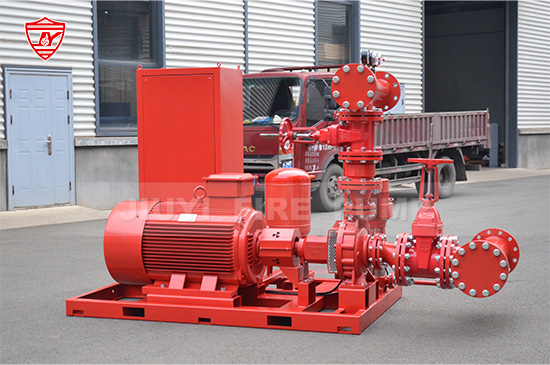
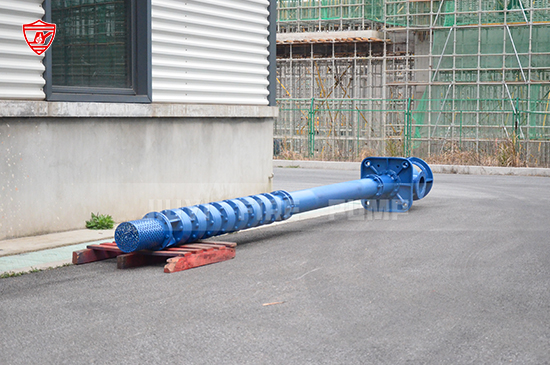
Fire fighting pump systems are critical for ensuring the safety and protection of buildings, industrial facilities, and outdoor spaces. These systems provide the necessary water pressure for firefighting operations during emergencies. Proper testing and commissioning of fire fighting pump systems are vital to ensure they function efficiently when needed most.
In this guide, we will cover the essential steps involved in testing and commissioning a fire fighting pump system, as well as important tips for maintaining high standards of safety and performance.
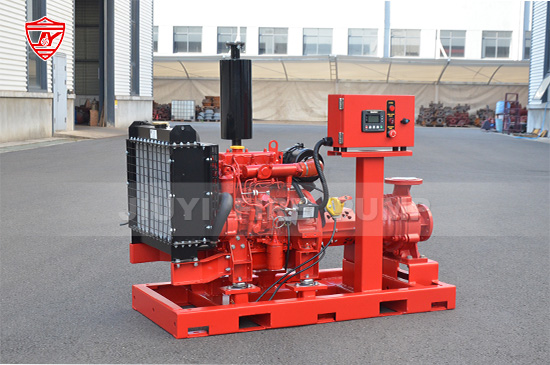
What is Fire Fighting Pump Commissioning?
Fire fighting pump commissioning is the process of ensuring that the fire pump system, once installed, operates as intended. This involves verifying that all components, including pumps, valves, controllers, and sensors, are working together properly. Commissioning is critical because it ensures the system will deliver the required water pressure and flow rate during a fire emergency.
The commissioning process includes several phases, such as pre-commissioning checks, functional tests, performance testing, and final documentation. Each phase is designed to verify that the system complies with relevant standards and regulations, including NFPA 20 (National Fire Protection Association), UL listings, and local codes.
Why is Testing and Commissioning Important?
Testing and commissioning ensure the following:
- Reliability: The pump system is reliable and ready for use during a fire emergency.
- Compliance: Compliance with national and local fire safety codes and standards.
- Efficiency: The system operates at peak efficiency, ensuring adequate water flow and pressure.
- Safety: Prevents potential failure or malfunction when the system is needed the most.
- Cost savings: Identifies issues early, reducing the need for expensive repairs later.
Steps to Test and Commission a Fire Fighting Pump System
-
Pre-Commissioning Checks:
Before starting the commissioning process, ensure that the entire fire pump system is properly installed according to the design specifications. This includes checking the following:
- Pump Installation: Verify that the pump is installed securely, with the correct alignment and connection to the motor and drive mechanism.
- Pipework and Valves: Ensure the pipes are connected without leaks and that valves are installed properly.
- Electrical Connections: Check that all electrical connections are secure and that the wiring complies with safety standards.
- Pressure Gauges and Flow Meters: Ensure that pressure gauges and flow meters are properly calibrated and installed at the correct locations.
- System Identification: Verify that all system components are labeled correctly for easy identification.
-
Functional Testing:
Once the pre-commissioning checks are completed, the next step is to perform functional testing of the system. This step ensures that all components work as expected. Key areas to test include:
- Pump Start/Stop Functions: Test the pump’s ability to start and stop automatically based on the system’s pressure requirements. The pump should start up when pressure drops below the set point and stop when the pressure is restored.
- Alarm and Signal Testing: Test all alarms, signals, and warning systems to ensure they activate when the pump system is activated or in case of system failure.
- Control Panel Functions: Test the operation of the fire pump control panel. The panel should display accurate information about system status, including pump status, pressure levels, and any fault conditions.
-
Performance Testing:
Performance testing is crucial to verify that the fire fighting pump system meets the required performance standards. The test involves:
- Flow Test: Measure the flow rate at various pressure settings to confirm that the system can deliver the required water flow for firefighting operations. According to NFPA 20, the fire pump should be able to provide the necessary flow rate at a specified pressure for the duration of the emergency.
- Pressure Test: Ensure that the pump maintains the required pressure during operation. Test both static and dynamic pressures to confirm that the system can handle peak loads without failure.
- Hydrostatic Test: Test the pressure resistance of the system’s pipes and valves by applying a test pressure that exceeds the system’s normal operating pressure.
-
Verification of System Capacity:
Fire pump systems must meet specific capacity requirements based on the building’s fire protection needs. During commissioning, the system’s capacity should be compared to the following:
- Water Supply: Ensure that the water source can supply the necessary volume of water for firefighting operations.
- Pump Capacity: Verify that the pump can handle the required flow rate at the necessary pressure.
- Pump Performance Curve: Compare the pump's performance with its performance curve to confirm it operates within the acceptable range of efficiency.
-
Final System Check:
After performing the necessary tests, it is time for a final system check. During this step, ensure that all components are correctly adjusted and that no leaks or defects are present. This final check includes:
- Leakage Tests: Conduct tests to ensure there are no leaks in the system. This includes checking pipe joints, pump seals, and valve connections.
- System Integration Check: Verify that the pump system integrates seamlessly with other components of the building’s fire safety infrastructure, such as sprinkler systems, alarm systems, and emergency lighting.
- Safety Features: Test all safety features of the system, such as emergency shutdown mechanisms, backup power supplies, and automatic alarms.
-
Documentation and Certification:
After the system has passed all tests, it’s time to prepare the final commissioning report. This report should include detailed information on the following:
- Test Results: Document all the test results, including flow rates, pressure levels, and performance data.
- System Specifications: Include technical specifications of the pump system, including the make and model of the pump, motor, and other key components.
- Compliance: Include a statement confirming that the system complies with relevant fire safety standards and regulations.
- Operational Manuals: Provide the operational manuals for the fire pump system, detailing maintenance procedures, troubleshooting tips, and contact information for support.
Tips for Successful Commissioning of Fire Fighting Pump Systems
- Train Personnel: Ensure that all personnel involved in the commissioning process are well-trained and knowledgeable about the system. This will help prevent mistakes and ensure smooth operation.
- Test Under Different Conditions: It’s important to test the system under a range of conditions, including normal and emergency conditions. This helps identify any potential issues that might not appear during standard operation.
- Keep Spare Parts: Always have spare parts on hand, including pump seals, gaskets, and electrical components. This will help minimize downtime in case of a system failure.
- Regular Maintenance: After commissioning, establish a regular maintenance schedule to ensure the fire pump system remains in optimal condition. This includes checking pressure gauges, valves, and pumps on a regular basis.
Conclusion
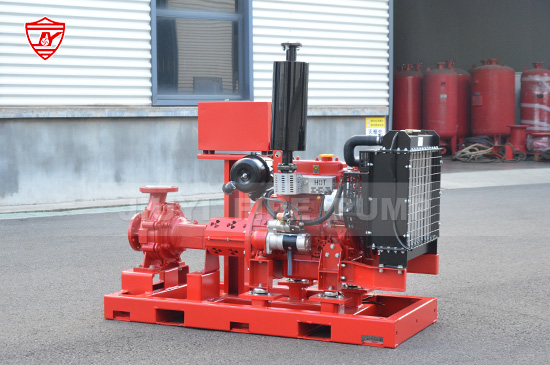
Testing and commissioning a fire fighting pump system is a complex process that requires careful attention to detail. By following the steps outlined above, you can ensure that the system operates efficiently and reliably during an emergency. Proper commissioning not only helps ensure compliance with safety standards but also provides peace of mind knowing that the system will perform when needed most.
For fire safety professionals, understanding the importance of testing and commissioning is crucial to maintaining a safe and effective fire fighting system. Regular testing, maintenance, and system upgrades are essential to keep the system functioning optimally and to protect lives and property.