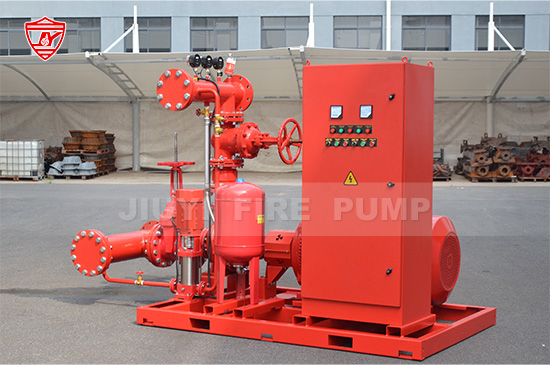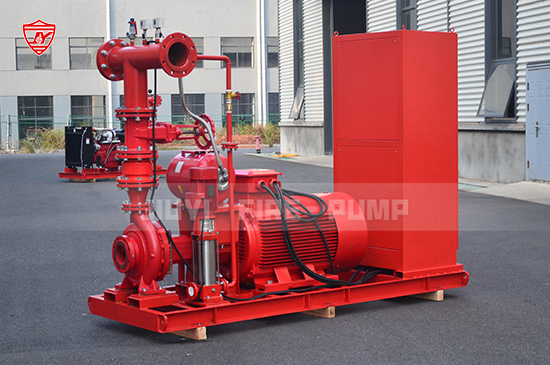
Fire pumps are a critical component of fire protection systems, ensuring sufficient water pressure and flow when a fire emergency occurs. However, in many industrial plants, commercial buildings, warehouses, and infrastructure projects, fire pumps are vulnerable to one major threat that is often underestimated: flooding.
Flood damage can disable fire pump systems exactly when they are needed most. Electrical failures, engine damage, corrosion, contaminated fuel, and mechanical breakdowns caused by floodwater can leave an entire facility without fire protection. As climate change increases the frequency of extreme rainfall, hurricanes, storm surges, and flash floods, protecting fire pumps from flood damage has become a priority for facility owners, engineers, and contractors.
This article explains the main risks flooding poses to fire pumps and practical strategies to ensure reliable operation even in flood-prone environments.
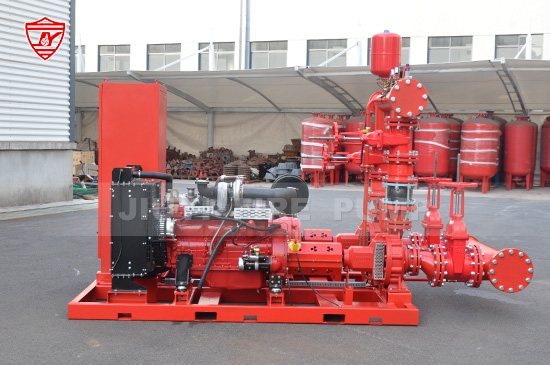
A fire pump is designed to provide water pressure during fire emergencies, but it is not naturally designed to operate underwater or survive prolonged water exposure.
Floodwater can affect fire pumps in several ways:
Electric fire pumps rely on motors, controllers, wiring, sensors, and power supplies. Water intrusion can cause:
Even a small amount of water entering a control panel can make the entire system inoperable.
Diesel engine fire pumps are often considered more resilient during power failures, but flooding introduces separate risks such as:
A submerged diesel engine can suffer severe internal damage and may require complete replacement.
Floodwater often contains mud, chemicals, salt, debris, and bacteria. Once these contaminants enter pump components, they accelerate:
Saltwater flooding is particularly destructive due to its aggressive corrosive properties.
A damaged or inaccessible fire pump may no longer meet fire safety requirements or insurance standards. Facility downtime, failed inspections, and increased liability can follow.
The most effective flood protection strategy is prevention through elevation.
Fire pumps should be installed above the expected flood level whenever possible.
This includes considering:
For flood-prone areas, engineers should locate fire pump rooms on higher floors, raised platforms, or elevated structures.
Best practices include:
Even if the pump itself remains lower, elevating sensitive electrical and control equipment significantly reduces risk.
A properly designed fire pump room is essential for flood protection.
Waterproofing measures should prevent both external floodwater intrusion and internal water accumulation.
Use water-resistant materials for:
Concrete walls with waterproof coatings can improve flood resistance.
Seal all wall penetrations to prevent water seepage through gaps.
Install:
These barriers help block incoming water during extreme weather events.
Doors should be rated for water pressure resistance where required.
Electrical cable entries should not be routed through floor-level openings when possible.
Instead:
This reduces vulnerability to rising water.
Even with waterproofing, some water may still enter the pump room.
A drainage system is necessary to remove water quickly.
Pump rooms should include floor drains sized for:
Drain locations should prevent standing water near critical equipment.
Install sump pits with automatic sump pumps to actively remove water.
Best practices include:
Without redundancy, a failed sump pump can quickly become a major problem.
Flood prevention begins outside the building as well.
Ensure:
Poor site drainage can overwhelm even a well-designed pump room.
Electrical systems are usually the most vulnerable components during flooding.
Special protection measures include:
Fire pump controllers should be mounted above potential flood level.
Avoid floor-mounted controllers in flood-prone environments.
Wall-mounted or elevated platform installations are preferred.
Use enclosures rated for wet conditions.
Suitable enclosure ratings help protect:
Proper sealing is critical.
Emergency generators and transfer equipment should also be protected from flooding.
A fire pump with a flooded backup generator is not a reliable emergency solution.
Diesel fire pumps require additional flood precautions.
Install fuel tanks above flood level where practical.
This reduces contamination risk.
Fuel tank vents should be:
Floodwater entering through vents is a common issue.
After flood events, inspect fuel for:
Contaminated diesel can damage injection systems and prevent engine startup.
In flood-prone areas, corrosion resistance improves long-term reliability.
Recommended materials include:
This is especially important for:
Material upgrades can significantly extend equipment life after moisture exposure.
Physical protection alone is not enough.
Facilities should have a written flood response plan for fire pump systems.
The plan should include:
Before severe weather:
If flooding is unavoidable, establish procedures for safe equipment shutdown when necessary.
This reduces secondary damage and safety risks.
After flooding:
Never assume a fire pump is functional after water exposure without proper inspection.
Flood protection is not a one-time project.
Regular maintenance ensures all protective measures remain functional.
Inspection checklist should include:
Maintenance frequency should increase before rainy seasons or hurricane seasons.
Fire pump flood protection should align with applicable codes and standards.
Review requirements from:
Compliance ensures both safety and project approval.
Many facilities underestimate flood risk until damage occurs.
Avoid these common mistakes:
Basements are highly vulnerable to flooding.
If unavoidable, advanced waterproofing and drainage are mandatory.
A protected pump with a flooded controller is still useless.
Controllers must receive equal attention.
Single drainage systems create single points of failure.
Always design redundancy.
Many facilities only plan for fire emergencies, not flood emergencies.
Flood response procedures should be integrated into fire protection management.
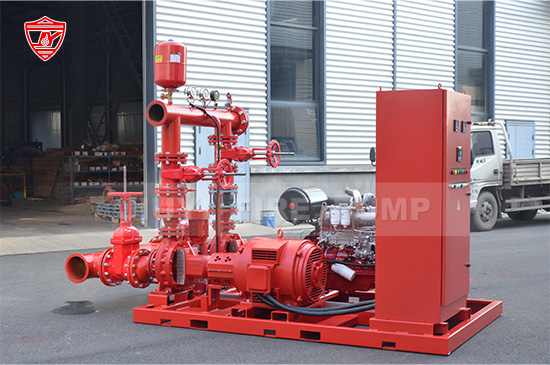
Flooding can disable fire pumps at the exact moment reliable fire protection is most critical. Whether the system uses electric motors or diesel engines, flood damage can result in catastrophic operational failure, costly repairs, and major safety risks.
.jpg)