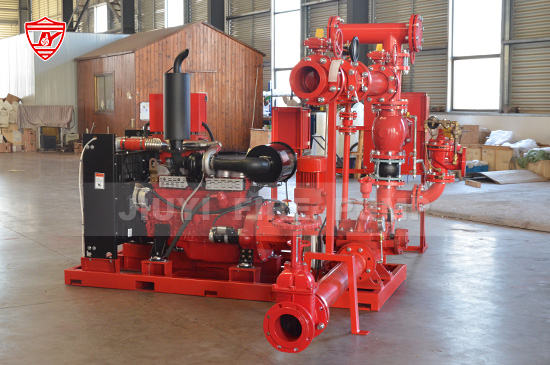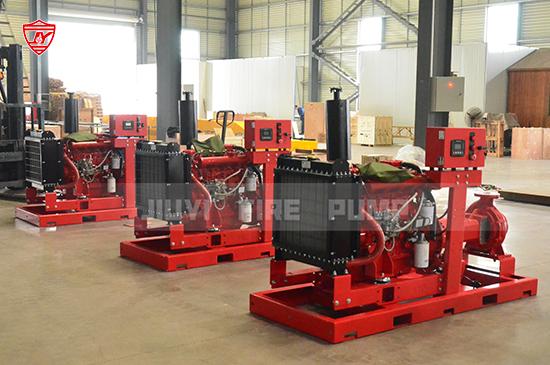
Urban housing developments are expanding rapidly around the world. As cities grow vertically and horizontally, residential buildings are becoming taller, denser, and more complex. From apartment towers and condominiums to mixed-use communities and affordable housing projects, modern urban living depends heavily on reliable infrastructure. Among the most important but often overlooked components of this infrastructure is the fire pump system.
Fire pumps play a central role in ensuring life safety and property protection in urban residential environments. In high-density housing, where a single fire incident can affect hundreds of occupants and cause significant property loss, dependable fire protection systems are not optional—they are essential.
Urban housing developments create unique fire safety challenges compared with standalone residential homes.
First, population density is significantly higher. A fire in a high-rise apartment or large residential complex can quickly threaten many occupants simultaneously. Evacuation becomes more complicated when residents are spread across multiple floors, especially in buildings with elderly occupants, children, or individuals with mobility limitations.
Second, urban buildings are often taller than municipal water systems were originally designed to support. Standard city water pressure may be sufficient for low-rise buildings, but it is rarely adequate for supplying upper floors in high-rise structures during a fire emergency.
Third, modern residential buildings contain increasingly complex layouts, including underground parking garages, utility rooms, rooftop facilities, retail spaces, and interconnected corridors. These areas require comprehensive fire suppression coverage, which depends on consistent water delivery.
This combination of higher risk, more occupants, and more complicated building designs makes fire pumps a critical component of urban fire safety planning.
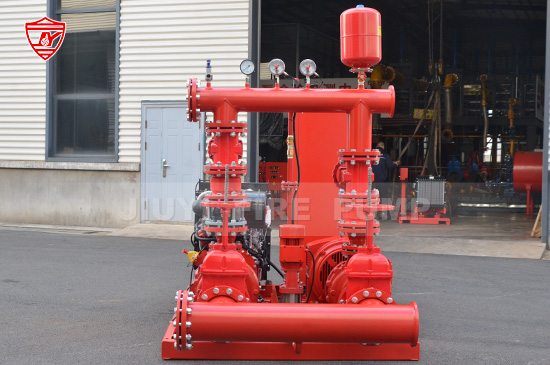
A fire pump is designed to increase water pressure and flow in a fire protection system when the existing water supply cannot meet system demands.
In simple terms, when a fire sprinkler or hydrant system requires more pressure than the municipal water supply can provide, the fire pump activates automatically to boost water delivery.
This ensures that fire suppression systems operate effectively at all times, particularly in situations such as:
Without adequate pressure, sprinklers may discharge insufficient water, hydrants may fail to perform effectively, and firefighting efforts can be severely compromised.
One of the biggest reasons fire pumps are necessary in urban housing is building height.
Water pressure decreases as elevation increases. In tall apartment buildings, municipal pressure alone cannot reliably deliver sufficient water to upper floors.
For example, a 20-story residential tower requires significantly more pressure than a 3-story building. During a fire, sprinkler heads on higher floors must still receive the required pressure and flow to control or suppress the fire effectively.
Fire pumps solve this challenge by boosting pressure to ensure reliable system performance throughout the building.
This is particularly important in rapidly urbanizing cities where vertical development is the norm.
Municipal water systems are not always consistent.
Urban infrastructure may face challenges such as:
In densely populated areas, multiple buildings may rely on the same water network. During an emergency, this can create supply limitations.
A properly designed fire pump system provides an additional layer of reliability by ensuring that required flow and pressure levels are maintained even when city supply conditions are less than ideal.
For residential developers, this reliability is critical because fire protection cannot depend entirely on external variables.
Time is the most critical factor in fire emergencies.
In urban housing, delayed fire suppression can lead to rapid fire spread through shared walls, corridors, ventilation systems, and utility shafts.
A properly functioning fire pump ensures immediate system readiness.
When sprinklers activate, sufficient pressure allows water to discharge effectively from the first seconds of operation. This early intervention can:
In many cases, an effective sprinkler response supported by a reliable fire pump can control a fire before firefighters even arrive.
Urban housing developments must comply with increasingly strict fire safety regulations.
Many jurisdictions require fire pumps in residential projects based on factors such as:
Internationally recognized standards such as NFPA 20 establish requirements for fire pump installation and performance.
Compliance is not only a regulatory issue but also a risk management strategy.
Developers, contractors, and property owners who invest in compliant fire pump systems reduce legal exposure, insurance complications, and operational risks.
For project stakeholders, selecting a qualified fire pump manufacturer is essential to achieving code compliance and long-term reliability.
Urban housing developments represent major financial investments.
A single residential tower may contain millions of dollars in assets, including:
A severe fire can create catastrophic financial consequences beyond direct fire damage.
Additional losses may include:
Fire pumps support asset protection by strengthening the overall fire suppression system and reducing the potential scale of fire incidents.
For developers and building owners, this is not merely a safety investment—it is a financial safeguard.
Modern urban housing often includes more than just sprinkler systems.
A residential project may require multiple integrated fire protection components such as:
All of these systems depend on reliable water delivery.
A well-designed fire pump system supports integrated protection across the entire property.
This is especially important in mixed-use developments where residential towers may connect to retail, office, or recreational spaces with different fire protection demands.
Choosing the right fire pump is critical for long-term performance.
Developers and consultants should evaluate several factors:
Consider:
Higher buildings and larger communities typically require more robust fire pump configurations.
Evaluate:
Understanding site conditions is essential for proper pump selection.
Confirm that the system meets applicable codes and project specifications.
This may include:
Urban housing projects require long service life and dependable performance.
Choose pumps with:
Downtime is unacceptable in residential fire protection.
As cities continue to grow, urban housing will become even more complex.
Trends such as taller buildings, denser developments, and mixed-use communities will increase demand for advanced fire protection systems.
Fire pumps will remain a foundational component of these systems.
Future developments will likely place greater emphasis on:
Manufacturers that provide dependable, compliant, and application-specific fire pump solutions will play an increasingly important role in urban infrastructure safety.
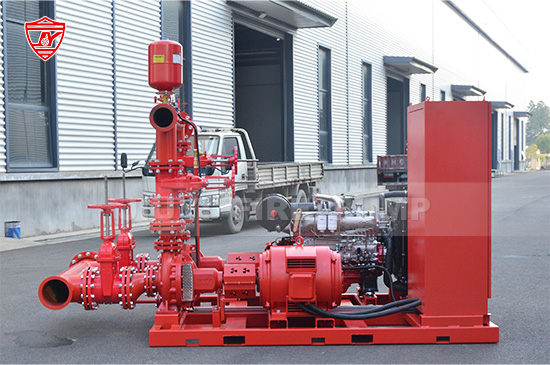
Fire pumps are not just mechanical equipment installed to satisfy project requirements. In urban housing developments, they are a critical safeguard for human life, property, and operational continuity.
As residential buildings become taller and denser, the limitations of municipal water supply make fire pumps essential for maintaining effective fire protection.
From ensuring sprinkler performance on upper floors to supporting code compliance and protecting major property investments, fire pumps provide the reliability urban housing developments cannot afford to operate without.
.jpg)