Fire safety is one of the most critical concerns in residential buildings. Whether it is a high-rise apartment, a housing complex, or a mixed-use residential tower, the ability to respond quickly to a fire emergency can make the difference between a controlled incident and a catastrophic loss. Among all fire protection equipment, fire pump systems play a central role in ensuring that water reaches sprinklers, standpipes, and hydrants at the required pressure when it matters most.
An efficient fire pump system is not simply a backup device. It is the heart of many fire protection systems, designed to provide reliable water pressure and flow when the public water supply cannot meet demand. For building owners, developers, fire contractors, and facility managers, understanding how to select and maintain an efficient fire pump system is essential for protecting residents and property.
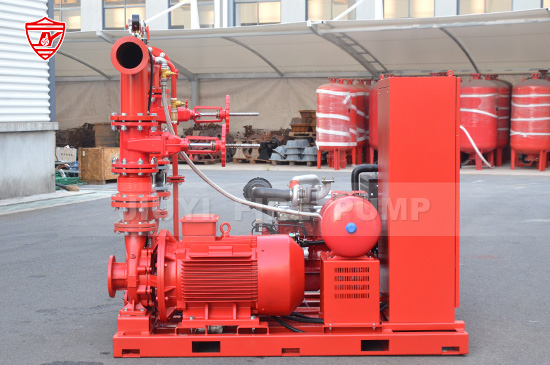
In residential buildings, especially high-rise structures, water pressure from municipal sources is often insufficient to deliver water to upper floors or meet the demand of fire suppression systems during emergencies.
A fire pump solves this challenge by boosting water pressure and maintaining a stable water supply to fire sprinklers and hose systems.
Without a properly designed fire pump system, several risks can occur:
In short, even the best sprinkler system cannot function effectively without adequate pressure. That is where fire pumps become indispensable.
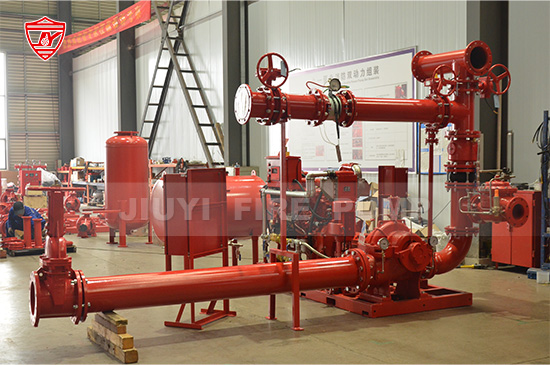
To protect residents effectively, a fire pump system must consist of reliable and properly integrated components.
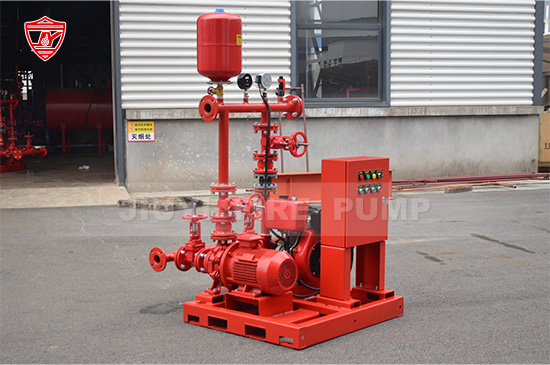
The main pump is responsible for delivering required water flow and pressure. Common fire pump types include:
Electric Fire Pumps
Electric fire pumps are widely used in residential projects with stable power supply. They offer fast startup, low maintenance, and cleaner operation.
Advantages include:
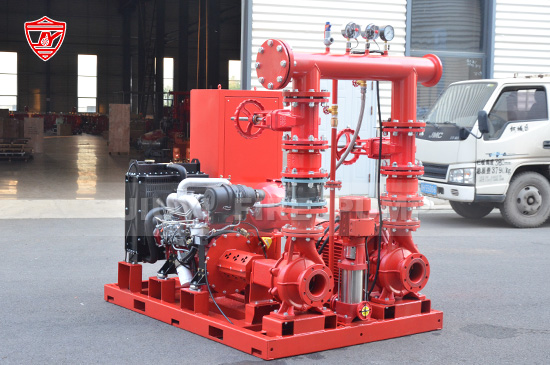
Diesel Engine Fire Pumps
Diesel fire pumps are ideal when emergency power reliability is a concern or where backup power is required.
Advantages include:
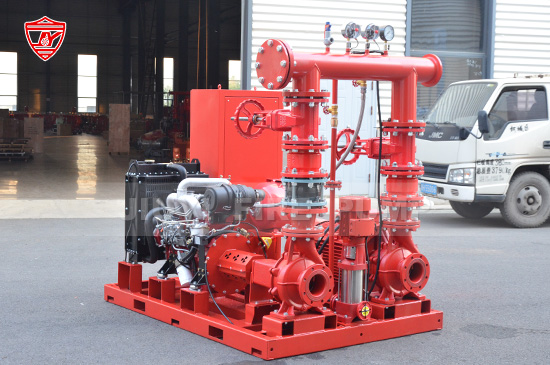
Many critical residential projects install both electric and diesel fire pumps for redundancy.
A jockey pump maintains system pressure during minor pressure fluctuations and prevents unnecessary starts of the main fire pump.
Benefits include:
The controller manages automatic startup and monitoring of the fire pump system.
An advanced controller should provide:
Reliable controllers ensure immediate response when fire conditions occur.
A fire pump system is only as strong as its water source.
Common water sources include:
Proper capacity planning ensures sufficient water duration during emergencies.
In a fire emergency, seconds matter.
Efficient fire pump systems automatically detect pressure drops when sprinklers activate or hydrants open. The system starts immediately and boosts water pressure to required levels.
This rapid response allows:
Faster water delivery can significantly reduce heat, smoke, and flame growth.
Residential high-rise buildings present unique fire safety challenges.
Upper floors require significantly higher water pressure due to elevation loss. Municipal systems alone often cannot achieve this.
Efficient fire pump systems ensure:
For tall residential buildings, fire pumps are often mandatory components of the fire protection design.
Automatic sprinklers are one of the most effective fire protection methods.
However, sprinkler performance depends on:
An efficient fire pump ensures sprinklers discharge water as designed, helping contain fires before they spread beyond the point of origin.
This protects:
During major fires, firefighters rely on standpipes, hydrants, and hose connections.
If water pressure is weak, firefighting efficiency drops significantly.
A properly sized fire pump system provides:
This allows firefighters to control fires faster and improve rescue operations.
The earlier a fire is controlled, the lower the risk of severe smoke and structural damage.
Efficient fire pump systems help:
This directly improves resident survival chances and lowers repair costs after incidents.
Choosing the right fire pump system requires careful engineering.
Higher buildings require greater pressure.
Consider:
Incorrect pressure calculations can lead to system underperformance.
Every building has different hydraulic requirements.
Calculate based on:
Oversized or undersized pumps both create operational problems.
Residential fire pump systems should comply with recognized standards such as:
Compliance ensures safety, performance, and project approval.
Power failure is common during emergencies.
Consider backup strategies:
Redundancy improves system reliability.
A fire pump is an emergency asset that may sit idle for long periods.
Select systems designed for:
Maintenance-friendly systems reduce long-term operational risk.
Even the most advanced fire pump system can fail without maintenance.
Routine maintenance should include:
Testing ensures readiness before emergencies occur.
Common maintenance failures include:
Preventive maintenance is far less costly than emergency system failure.
As residential buildings become smarter, fire pump systems are also evolving.
Emerging trends include:
Remote monitoring systems now provide:
This improves operational visibility.
Modern fire pump packages are increasingly designed for:
Space is often limited in residential developments.
Modular fire pump packages offer:
These solutions are especially attractive for modern urban construction.
Protecting residents starts with reliable fire protection infrastructure. While alarms, sprinklers, and evacuation procedures are all important, none can fully perform without a dependable water supply under pressure.
Efficient fire pump systems ensure immediate water delivery, improve sprinkler effectiveness, support firefighters, and protect lives in residential buildings of all sizes.