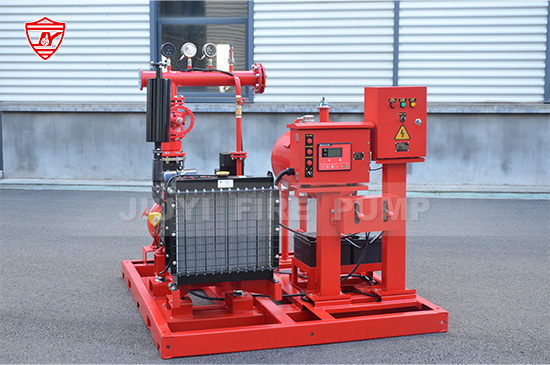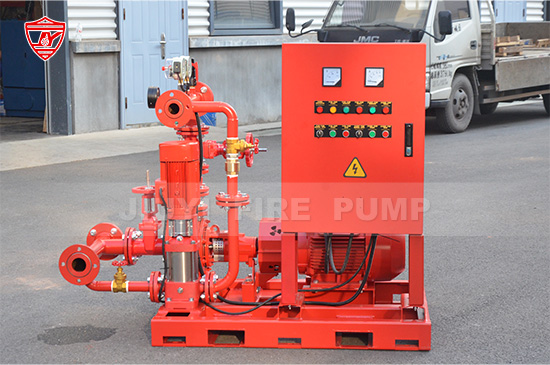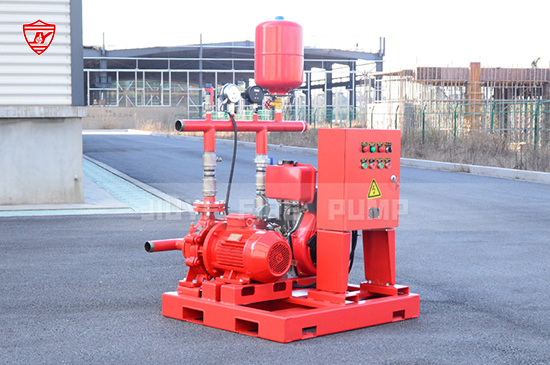
A fire protection system is only as reliable as its ability to maintain stable pressure at all times. While main fire pumps are designed to deliver high flow during emergencies, they are not intended to handle small pressure losses caused by minor leaks, temperature fluctuations, or routine system variations. This is where the jockey pump plays a critical role.
A jockey pump is a small pressure maintenance pump installed in fire protection systems to maintain system pressure and prevent unnecessary operation of the main fire pump. Although smaller than electric or diesel fire pumps, the jockey pump is essential for ensuring system readiness, reducing wear on primary pumps, and maintaining compliance with fire protection standards.
Choosing the right jockey pump is not simply a matter of selecting a small pump. Incorrect sizing, pressure settings, or pump configuration can cause false starts, excessive cycling, or delayed fire pump activation. Understanding how to properly select a jockey pump is therefore crucial for engineers, contractors, building owners, and fire system designers.
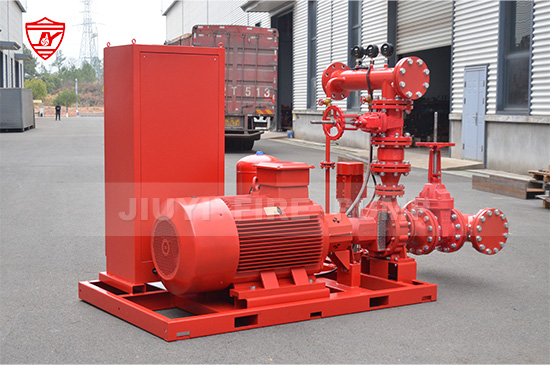
A jockey pump is a small centrifugal pump designed to compensate for minor pressure losses in a fire sprinkler or hydrant system.
In a pressurized fire protection network, small pressure drops naturally occur over time due to:
Without a jockey pump, these small pressure drops could trigger the main fire pump unnecessarily. Frequent starts and stops reduce the lifespan of the main pump, increase maintenance costs, and may lead to operational issues.
The jockey pump automatically starts when system pressure drops below a preset level and stops once the pressure is restored.
Its primary functions include:
An incorrectly selected jockey pump can create multiple problems in a fire protection system.
If the pump is oversized:
If the pump is undersized:
Improper pressure settings can also lead to:
Proper selection ensures smooth pressure maintenance while allowing the fire pump system to respond correctly during emergency conditions.
The first step is understanding the required pressure in the fire protection system.
The jockey pump must maintain the normal static pressure of the system while staying below the fire pump churn pressure.
Important pressures to identify include:
A common arrangement is:
For example:
This ensures the jockey pump responds first to small pressure losses.
Jockey pumps are not designed to meet fire demand flow.
Their purpose is only to compensate for small leakage or pressure losses.
Typical jockey pump flow is usually much smaller than the main fire pump flow.
A common guideline is:
In practice, jockey pump flow is often:
Examples:
The exact flow depends on:
Oversizing should be avoided because excessive flow can mask actual system demand.
The jockey pump must produce enough pressure to overcome system losses and restore pressure effectively.
Total required pump pressure includes:
In high-rise buildings or large industrial systems, pressure calculations become especially important.
Engineers should evaluate:
The selected pump must deliver required flow at required pressure.
Always review the pump performance curve before final selection.
Jockey pump selection should comply with NFPA 20, the standard for installation of stationary fire pumps.
NFPA 20 generally requires:
NFPA 20 does not prescribe one exact flow size, but emphasizes preventing unnecessary fire pump operation.
Key compliance considerations:
Selecting an NFPA 20 compliant jockey pump package reduces approval issues and simplifies installation.
Different applications may require different jockey pump designs.
Common pump types include:
Often used because they offer:
Best for:
Suitable when:
Advantages:
Used in some smaller systems.
Advantages:
Limitations:
The most common choice in modern fire protection systems is the vertical multistage jockey pump.
Jockey pumps are usually electrically driven.
Important motor considerations include:
For harsh environments, consider:
Reliable motor selection improves long-term system stability.
Pump material should match installation conditions.
Common materials:
For corrosive or demanding environments, stainless steel is preferred.
Applications needing corrosion resistance include:
Material selection affects:
Many fire protection projects encounter avoidable issues due to poor pump selection.
Common mistakes include:
A pump that is too large may:
Improper settings cause:
Selecting by horsepower only is a common error.
Always verify:
Failure to meet NFPA 20 or local standards can delay project approval.
A cheaper pump may increase long-term maintenance costs.
Reliability is more important than minimal initial savings in fire protection systems.
Before finalizing selection, ask:
Answering these questions simplifies pump selection and reduces design errors.
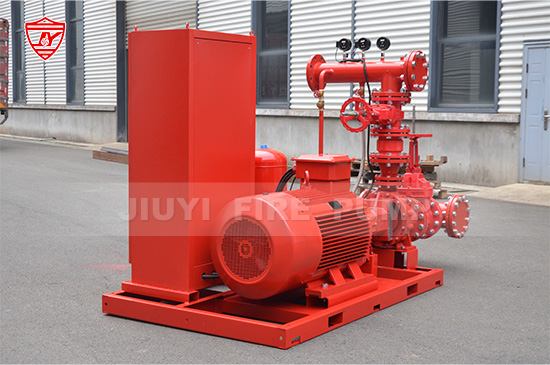
A jockey pump may be one of the smallest components in a fire protection system, but its impact is significant. Proper pressure maintenance is essential for ensuring system readiness, protecting the main fire pump, and maintaining compliance with fire safety standards.
When choosing a jockey pump, focus on more than just pump size. Evaluate system pressure, flow requirements, pump curves, NFPA 20 requirements, installation conditions, and long-term reliability.
A properly selected jockey pump helps maintain stable system pressure, reduces unnecessary fire pump starts, and improves the overall reliability of the fire protection system.