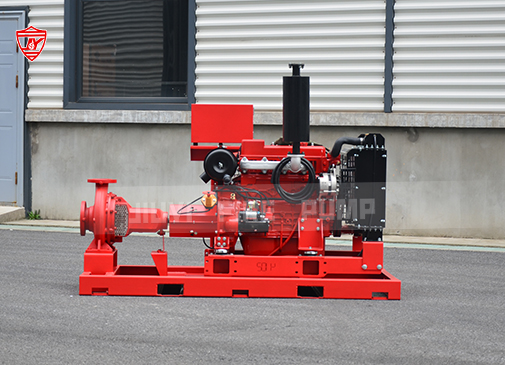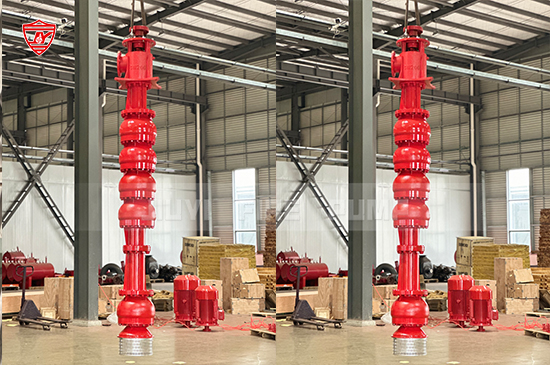
Fire pumps are a critical part of any fire protection system. Their main function is simple but essential: when water pressure is insufficient during a fire emergency, the fire pump boosts water flow to sprinkler systems, hydrants, or standpipe systems to ensure reliable fire suppression.
Because fire pumps are expected to perform immediately in emergencies, even minor wear and tear can create serious safety risks. A fire pump that has not been properly maintained may fail when it is needed most, resulting in property damage, operational downtime, and safety hazards.
Over time, all mechanical systems experience deterioration. Fire pumps are no exception. Components wear out due to regular operation, environmental conditions, vibration, corrosion, aging, and improper maintenance practices.
Understanding the early signs of fire pump wear and tear can help facility managers, contractors, and fire protection professionals take corrective action before small issues develop into major failures.
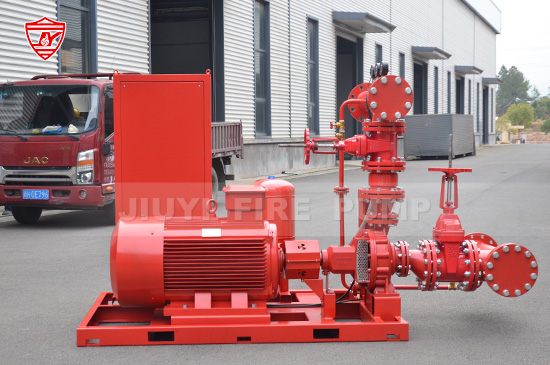
Fire pumps operate under demanding conditions. Even if a pump is only tested regularly and rarely used in actual fire emergencies, the system is still exposed to multiple factors that contribute to wear.
Common causes of fire pump deterioration include:
Moving components such as bearings, shafts, seals, and couplings experience continuous friction. Over time, this causes gradual wear, reduced efficiency, and component fatigue.
Moisture, poor water quality, chemical exposure, and humid pump room conditions can cause corrosion on pump casings, impellers, pipes, and valves.
Corrosion can reduce flow performance, weaken materials, and eventually lead to leakage or structural failure.
Improper installation, foundation issues, or shaft misalignment can create abnormal vibration. Excessive vibration accelerates bearing wear, loosens fasteners, and damages rotating parts.
Skipped inspections, infrequent testing, delayed repairs, and neglected lubrication are among the most common reasons for premature fire pump failure.
Dust, extreme temperatures, flooding, and poor ventilation can negatively affect both electric and diesel fire pump systems.
Recognizing warning signs early is the key to effective fire pump maintenance.
A healthy fire pump should operate with a relatively stable and predictable sound pattern.
If operators notice new or abnormal noises, this may indicate internal wear.
Common abnormal sounds include:
Possible causes include:
Grinding noises often suggest bearing failure, while knocking may indicate loose internal components or cavitation.
Any unusual sound should be investigated immediately.
Vibration is one of the clearest indicators of mechanical wear in fire pumps.
While some vibration is normal, excessive or increasing vibration usually signals a problem.
Common causes include:
If left uncorrected, vibration can rapidly damage seals, bearings, couplings, and motor components.
Signs of vibration issues include:
Routine vibration analysis is highly recommended for early detection.
Water leakage is a major warning sign that should never be ignored.
Common leakage locations include:
Minor dripping may initially appear harmless, but leakage often indicates:
Persistent leakage can reduce efficiency, damage nearby equipment, and accelerate corrosion.
For diesel fire pumps, fuel or oil leakage is equally critical and requires immediate attention.
A fire pump is designed to meet specific rated flow and pressure requirements.
If testing results show declining performance, wear may already be affecting system reliability.
Performance issues may include:
Possible causes include:
Comparing current test results with baseline acceptance test data is one of the most effective ways to identify gradual deterioration.
Overheating is a common sign of internal resistance or component failure.
Fire pumps, motors, and diesel engines should operate within specified temperature ranges.
Warning signs include:
Common causes include:
Overheating accelerates wear and shortens equipment lifespan.
Ignoring heat-related issues can lead to catastrophic failure.
A fire pump should start reliably every time.
Starting difficulties often indicate wear or system degradation.
For electric fire pumps, symptoms may include:
For diesel fire pumps:
Repeated startup issues are a serious concern because they directly affect emergency readiness.
Bearings are critical components in rotating equipment and among the most common wear items.
Signs of bearing wear include:
Common causes:
Bearing failure can escalate quickly and cause severe secondary damage.
Routine inspection and lubrication are essential.
Visible rust, pitting, or coating deterioration often signals deeper problems.
Areas to inspect include:
Corrosion risks increase in:
Surface corrosion may seem cosmetic but can weaken structural integrity over time.
Seals and packing are consumable components that naturally degrade.
Common symptoms include:
Packing that is too tight can overheat the shaft, while loose packing increases leakage.
Seal failure should be addressed promptly to prevent larger mechanical issues.
Pressure gauges, flow meters, temperature sensors, and alarms are essential for monitoring fire pump condition.
Signs of instrumentation issues include:
Faulty instruments may hide real pump problems or create false confidence.
Testing and calibration should be included in regular fire pump inspection procedures.
Preventive maintenance is the most effective strategy for extending fire pump service life.
Key maintenance practices include:
Regular churn and flow testing helps identify issues early.
Monitor:
Inspect for:
Use correct lubricant type and intervals according to manufacturer recommendations.
Improper lubrication is a major cause of bearing failure.
Periodically verify motor-pump alignment to reduce vibration and shaft stress.
Maintain detailed maintenance logs and compare historical test data.
Performance trends often reveal wear long before visible failure occurs.
Following recognized maintenance standards such as NFPA 25 helps ensure compliance and system reliability.
Not every worn component requires immediate full pump replacement.
However, replacement should be considered when:
Common replacement components include:
For aging systems, a professional fire pump assessment can help determine whether repair or replacement is more cost-effective.
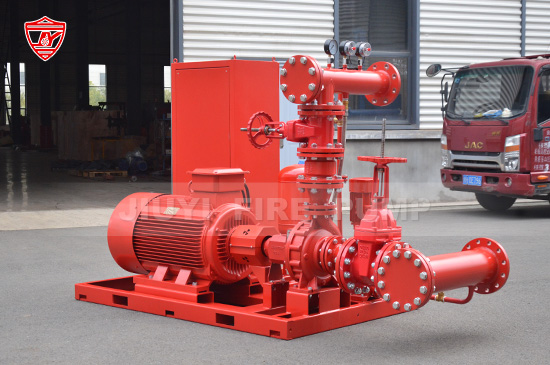
Fire pumps are life safety equipment, and their reliability cannot be compromised.
Wear and tear is inevitable, but failures are often preventable through regular inspection, testing, and maintenance.
Key warning signs such as unusual noise, vibration, leakage, overheating, reduced pressure, corrosion, and startup issues should never be ignored.
.jpg)