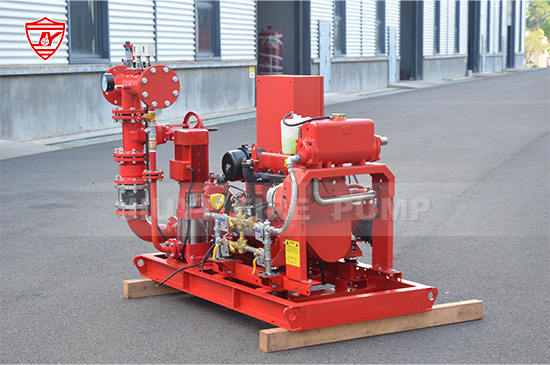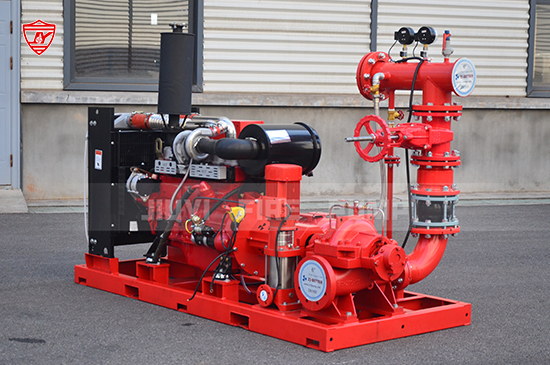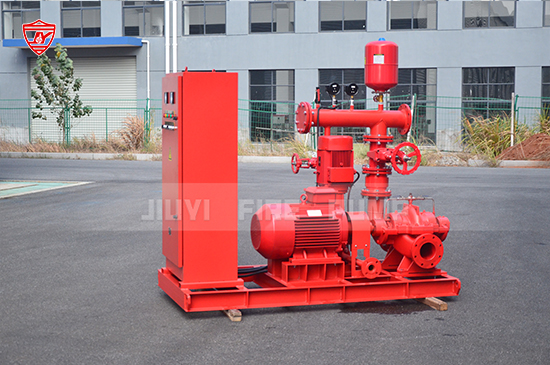
Fire pumps are a critical component of fire protection systems, ensuring reliable water pressure and flow during emergency situations. In commercial buildings, industrial facilities, warehouses, and residential high-rises, a fire pump must start immediately and operate continuously when required. While mechanical issues often receive attention, electrical problems are equally common and can cause severe operational failures.
Electrical faults in fire pump systems can lead to pump startup failure, unexpected shutdown, motor damage, and compliance issues. Since fire pumps are designed to operate under emergency conditions, even a minor electrical fault can result in serious safety risks.
Understanding the most common fire pump electrical problems helps facility managers, fire protection contractors, and maintenance teams improve system reliability, reduce downtime, and maintain compliance with fire safety standards.
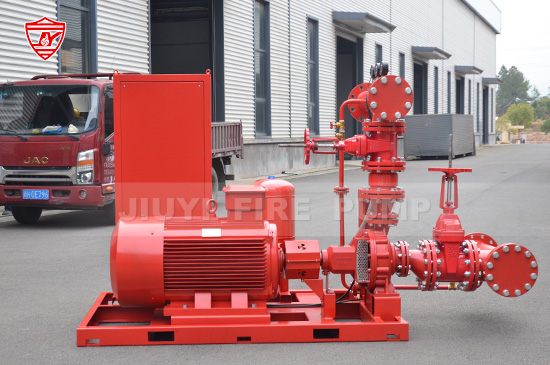
One of the most common fire pump electrical problems is power supply failure. Without a stable and continuous power source, electric fire pumps cannot function properly.
Power supply issues may include:
A fire pump controller constantly monitors incoming power. If voltage drops below acceptable levels or one phase is lost, the controller may prevent the motor from starting to avoid equipment damage.
Common causes include aging electrical infrastructure, poor wiring connections, utility instability, or overloaded circuits.
Symptoms of power supply failure:
Preventive measures:
Stable electrical supply is the foundation of reliable fire pump performance.
Motor overload occurs when the fire pump motor draws excessive current beyond its rated capacity. Overload conditions generate excessive heat, which can damage motor windings and reduce motor lifespan.
Common causes of motor overload include:
When voltage is low, the motor compensates by drawing higher current. This increases winding temperature and may trigger overload protection.
Symptoms of motor overload:
Troubleshooting steps:
Routine electrical load testing can identify overload risks before motor damage occurs.
The fire pump controller is the operational brain of the system. It manages startup logic, monitors electrical conditions, and activates alarms.
Controller issues are among the most common fire pump electrical faults.
Typical controller problems include:
Harsh environments such as humidity, dust, vibration, and temperature fluctuations accelerate controller degradation.
Symptoms of controller failure:
Preventive maintenance should include:
A neglected controller can compromise the entire fire protection system.
Although electric fire pumps rely on utility power, many facilities also install diesel fire pumps as backup. Diesel pump electrical issues often center around battery failure.
Common battery-related problems include:
Diesel fire pumps usually require dual battery systems for redundancy. If both batteries are compromised, engine startup becomes impossible.
Symptoms:
Recommended maintenance:
Battery reliability is essential for backup fire protection readiness.
Loose electrical terminals create resistance, heat buildup, voltage drops, and intermittent failures.
Over time, vibration from pump operation can loosen electrical connections inside:
Corrosion is especially common in humid or coastal environments.
Consequences include:
Symptoms:
Best practices:
Small connection issues can evolve into major electrical failures if ignored.
Ground faults occur when electrical current unintentionally flows to ground due to insulation breakdown or damaged wiring.
Common causes:
Ground faults are dangerous because they may cause:
Symptoms:
Troubleshooting methods:
Preventive actions:
Ground faults should be addressed immediately.
Three-phase electric fire pumps require balanced voltage across all phases.
Phase-related issues include:
Causes:
Effects:
Symptoms:
Recommended checks:
Modern controllers include phase monitoring, but regular testing remains important.
Fire pumps often rely on pressure switches or pressure sensors to detect system pressure drops and initiate automatic startup.
Electrical problems affecting sensors include:
Symptoms:
Maintenance actions:
A properly functioning sensing system is essential for automatic fire pump activation.
Short circuits are severe electrical faults caused by unintended low-resistance electrical paths.
Common causes:
Consequences:
Symptoms:
Preventive strategies:
Short circuits require immediate professional diagnosis.
Many electrical problems result not from component defects but from insufficient maintenance.
Common maintenance failures include:
Recommended fire pump electrical maintenance program:
Preventive maintenance significantly reduces unexpected electrical failures.
To improve fire pump electrical reliability, facilities should adopt a proactive maintenance strategy.
Best practices include:
Working with experienced fire pump manufacturers also improves system quality and long-term reliability.
A properly designed fire pump system includes not only hydraulic performance but also dependable electrical protection.
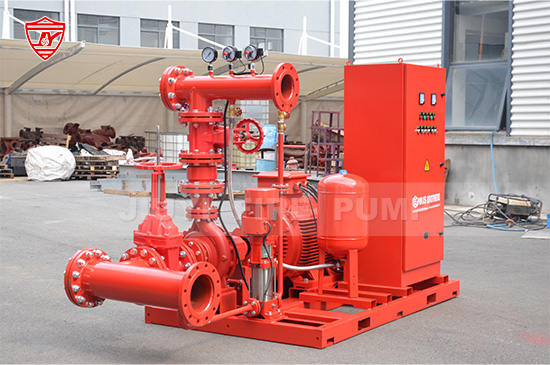
Fire pump electrical problems are a major cause of system failure in fire protection applications. Common issues such as power supply failure, motor overload, controller faults, loose connections, ground faults, and sensor malfunctions can all prevent a fire pump from operating when needed most.
By understanding these electrical risks and implementing regular inspection, testing, and maintenance procedures, facility owners can improve fire pump reliability, protect assets, and ensure compliance with fire safety standards.