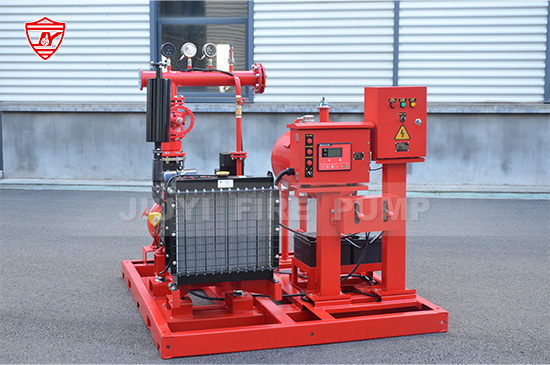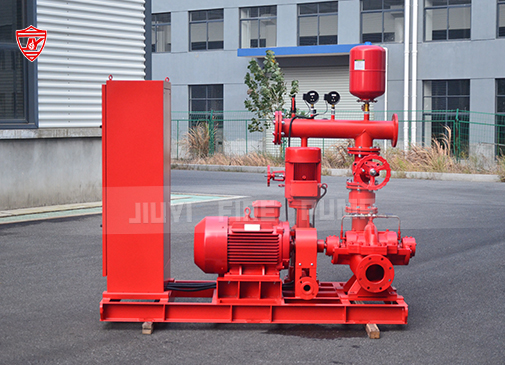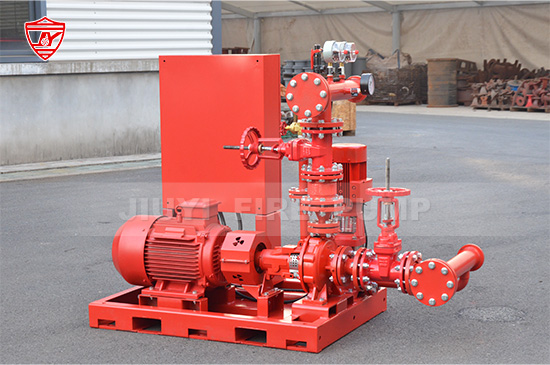
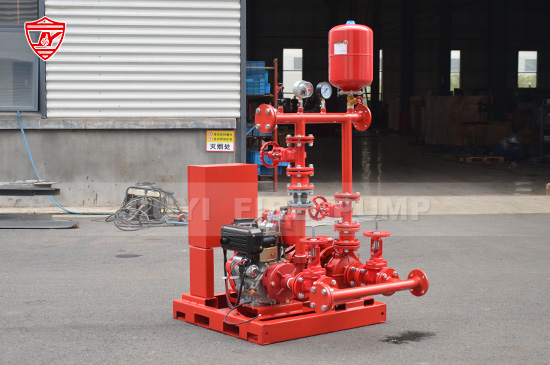
Fire pumps are one of the most critical components in a fire protection system. During an emergency, every second matters. A fire pump is designed to start automatically when the system detects a drop in pressure, ensuring water is delivered at the required pressure and flow rate to sprinkler systems, hydrants, or standpipes.
However, one of the most concerning issues facility managers, fire contractors, and maintenance teams may encounter is when a fire pump fails to start automatically. A system that does not respond properly during a fire event can lead to severe property damage, business interruption, regulatory violations, and life safety risks.
Understanding the common reasons behind automatic start failure is essential for preventing system failure and ensuring compliance with fire protection standards.
How Does a Fire Pump Start Automatically?
Before diagnosing failures, it is important to understand the normal operating sequence.
In a typical fire pump system, the pump remains idle while the piping network is maintained at a preset pressure. When a sprinkler activates or a hydrant is opened, system pressure drops. This pressure drop is detected by a pressure-sensing device, such as a pressure switch or pressure transducer.
Once the pressure reaches the preset start point, the controller receives the signal and initiates the fire pump start sequence.
For electric fire pumps, the controller energizes the motor starter.
For diesel fire pumps, the controller activates the battery-powered engine starting sequence.
If any part of this chain is interrupted, the pump may fail to start automatically.
Common Causes of Fire Pump Automatic Start Failure
1. Pressure Switch Failure
A faulty pressure switch is one of the most common reasons a fire pump does not start automatically.
The pressure switch is responsible for monitoring system pressure and sending the start signal to the controller when pressure falls below the start threshold.
Common pressure switch problems include:
- Incorrect pressure settings
- Mechanical wear or sticking contacts
- Damaged diaphragm
- Internal corrosion
- Blocked sensing line
If the switch cannot detect pressure changes accurately, the controller never receives the automatic start signal.
Regular calibration and functional testing are essential to ensure pressure switches operate correctly.
2. Controller Malfunction
The fire pump controller is the brain of the entire system. Even if the pressure switch functions correctly, controller problems can prevent startup.
Typical controller issues include:
- Failed relays or contactors
- Blown fuses
- Circuit board damage
- Loose terminal wiring
- Software or logic faults
Controllers may also be accidentally left in manual or off mode after maintenance.
Operators should always verify that the controller is returned to automatic mode after inspection or testing.
Periodic controller inspection helps identify early electrical or programming issues before they lead to failure.
3. Power Supply Problems (Electric Fire Pumps)
Electric fire pumps depend entirely on a stable power supply.
If incoming power is interrupted or insufficient, the motor cannot start.
Common electrical causes include:
- Main power outage
- Breaker trip
- Undervoltage
- Phase loss
- Loose cable connections
- Damaged motor starter
In some facilities, generator transfer systems may fail to supply backup power correctly.
Routine electrical inspection and emergency power testing are critical for electric fire pump reliability.
4. Battery Failure (Diesel Fire Pumps)
Diesel fire pumps rely on batteries to crank the engine during startup.
Battery-related failures are a leading cause of diesel fire pump automatic start issues.
Common battery problems include:
- Low battery voltage
- Battery aging
- Corroded terminals
- Loose battery cables
- Failed battery charger
- Insufficient electrolyte levels
NFPA standards generally require two independent battery systems for diesel fire pumps to improve redundancy.
Battery voltage, charging condition, and connection integrity should be checked regularly.
5. Engine Starting System Faults
Even with healthy batteries, diesel fire pumps may fail to start if engine starting components malfunction.
Potential issues include:
- Faulty starter motor
- Solenoid failure
- Wiring issues
- Fuel shutoff problems
- Engine sensor faults
Mechanical wear over time can reduce starter efficiency or prevent proper engagement.
Routine engine cranking tests help verify starting system performance.
6. Fuel System Issues (Diesel Fire Pumps)
A diesel fire pump cannot operate without a reliable fuel supply.
Fuel-related problems include:
- Empty fuel tank
- Fuel contamination
- Water in fuel
- Clogged fuel filters
- Air in fuel lines
- Fuel pump malfunction
Diesel fuel can degrade over time, especially when stored improperly.
Regular fuel inspection, polishing, and filter replacement help maintain fuel quality.
7. Incorrect Pressure Settings
Improper system pressure settings can prevent automatic startup.
If the fire pump start pressure is set too low, system pressure may drop but not enough to trigger startup.
If the pressure differential between jockey pump and fire pump settings is incorrect, the jockey pump may continue operating without allowing the fire pump to start.
Common setting issues include:
- Fire pump start pressure too low
- Jockey pump stop pressure too close to fire pump start pressure
- Pressure switch calibration errors
Pressure settings should be reviewed during commissioning and maintenance.
8. Jockey Pump Problems
The jockey pump maintains system pressure under normal conditions.
A malfunctioning jockey pump can interfere with fire pump operation.
Examples include:
- Jockey pump running continuously
- Pressure tank issues
- Faulty check valves
- Incorrect pressure settings
In some cases, the jockey pump masks pressure drops, preventing fire pump activation.
Proper coordination between jockey pump and fire pump settings is essential.
9. Wiring or Connection Issues
Loose or damaged wiring can interrupt communication between system components.
Common wiring problems include:
- Loose terminals
- Broken control wires
- Corrosion in terminal blocks
- Moisture intrusion
- Insulation damage
Over time, vibration and environmental conditions can degrade electrical connections.
Routine tightening and inspection of control wiring reduce failure risk.
10. Lack of Maintenance
Many fire pump failures are not caused by a single component failure, but by neglected maintenance.
Without regular inspection, minor issues can accumulate until the automatic start function fails.
Neglected maintenance often leads to:
- Dead batteries
- Dirty sensors
- Controller faults
- Fuel degradation
- Corrosion
- Undetected electrical problems
A preventive maintenance program is the most effective way to reduce fire pump failure risk.
Recommended Fire Pump Maintenance Practices
To minimize automatic start failures, facility owners should implement regular inspection and testing procedures.
Key maintenance activities include:
Weekly
- Inspect controller status
- Check batteries
- Verify fuel levels
- Inspect for leaks or alarms
Monthly
- Conduct automatic start test
- Inspect pressure switch operation
- Run churn test
- Check battery charger performance
Quarterly
- Inspect wiring and terminals
- Test alarm functions
- Verify controller settings
Annually
- Full flow performance test
- Fuel quality inspection
- Battery load testing
- Controller internal inspection
Routine testing confirms the system will operate as intended during an emergency.
Importance of Proper Installation
Installation errors can also contribute to startup failure.
Common installation mistakes include:
- Improper pressure switch placement
- Incorrect controller wiring
- Poor grounding
- Undersized cables
- Incorrect pressure calibration
Working with experienced fire pump manufacturers and qualified installers helps avoid these issues.
A properly designed and commissioned system is far less likely to experience automatic start problems.
Final Thoughts
A fire pump that fails to start automatically can compromise the entire fire protection system.
The most common causes include pressure switch failure, controller malfunction, power issues, battery failure, fuel system problems, incorrect pressure settings, and insufficient maintenance.
Fortunately, most of these issues are preventable through proper design, routine testing, scheduled maintenance, and high-quality equipment.
For facility managers, contractors, and fire protection professionals, regular inspection of automatic start functions should be a top priority.
A fire pump is only valuable if it performs when needed most. Ensuring reliable automatic startup is one of the most important steps in maintaining fire safety readiness.