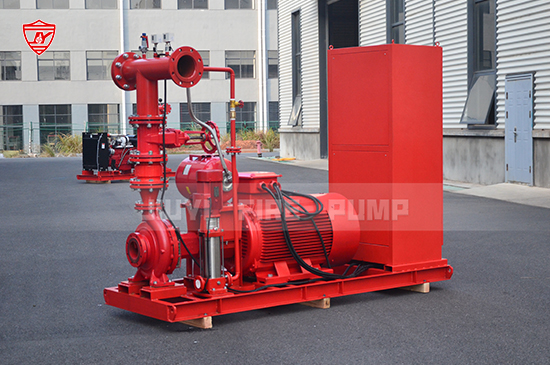
Fire pumps are critical components in fire protection systems. Their primary function is to maintain sufficient water pressure for sprinklers, hydrants, and standpipe systems during emergencies. A fire pump that fails to start can compromise the entire fire protection infrastructure, leading to severe safety risks, property damage, and regulatory non-compliance.
Understanding how to troubleshoot fire pump starting failure is essential for facility managers, maintenance teams, contractors, and fire safety professionals. This guide explains the most common causes of fire pump startup problems and practical solutions for restoring system reliability.
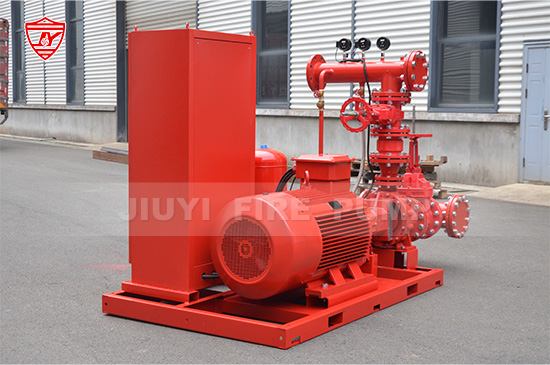
Fire pump starting failure usually occurs due to electrical, mechanical, controller, or engine-related issues. Since fire pumps remain idle for extended periods and only operate during testing or emergencies, hidden faults can develop unnoticed.
Common categories of starting failure include:
Identifying the exact root cause is the first step toward an effective repair.
For electric fire pumps, power supply failure is one of the most common reasons the pump does not start.
Inspect the following:
Confirm that incoming power is available at the controller.
Check:
If the main breaker is tripped, investigate before resetting it. A breaker usually trips for a reason such as overload, short circuit, or motor fault.
Low or unstable voltage can prevent motor startup.
Verify:
Undervoltage conditions often trigger controller alarms and inhibit starting.
Three-phase motors require proper phase conditions.
Check for:
Phase issues can stop the motor from starting or cause immediate shutdown.
The controller is the command center of the fire pump system. Even if the pump itself is healthy, controller faults can prevent startup.
Ensure the controller is set to the correct operating mode.
Check whether it is in:
Sometimes technicians leave the controller in OFF after maintenance or testing.
Modern controllers display alarms or fault codes.
Common alarms include:
Review the alarm history to identify recurring problems.
Inspect whether the emergency stop button has been pressed accidentally.
A surprisingly common issue is an engaged E-stop preventing startup.
Reset if necessary.
Inspect:
Loose wiring, burned contacts, or blown fuses may interrupt starting circuits.
Fire pumps commonly start automatically when system pressure drops below a preset threshold.
If pressure sensing fails, the pump may never receive a start command.
Check:
A failed or misadjusted pressure switch may not detect pressure drop correctly.
Common problems:
Electronic controllers often use pressure transducers instead of mechanical switches.
Inspect:
Faulty transducers can generate false readings and prevent automatic startup.
Diesel fire pumps rely heavily on batteries for engine cranking. Battery issues are a major cause of starting failure.
Measure battery voltage.
Typical problems include:
Batteries should be maintained at full charge and tested regularly.
A faulty charger gradually leads to battery depletion.
Check:
Common charger problems:
Inspect terminals for:
Poor connections create high resistance and weak cranking performance.
Most diesel fire pumps use dual battery systems.
Confirm:
One failed battery can compromise startup reliability.
If batteries are healthy but the diesel engine still does not start, inspect the engine itself.
Listen during cranking.
Possible symptoms:
Possible causes:
Replace faulty starter components as needed.
Without fuel, the engine cannot start.
Check:
Common issues:
Inspect:
Poor fuel delivery can cause failed startup or repeated cranking.
Some diesel engines include protective shutdowns.
Possible shutdown triggers:
Review engine alarms and reset faults if appropriate.
Mechanical issues can also prevent startup.
A seized pump or motor coupling may block startup.
Inspect:
Possible causes:
Debris or internal damage may jam the pump.
Inspect for:
Insufficient lubrication increases resistance and startup difficulty.
Check:
Many starting failures result from poor maintenance rather than sudden breakdown.
Review maintenance logs for:
A well-maintained fire pump is far less likely to fail during an emergency.
Warning signs often appear weeks before complete starting failure.
Examples:
Addressing small issues early prevents major failures later.
Likely causes:
Likely causes:
Likely causes:
Likely causes:
The best troubleshooting strategy is prevention.
Recommended practices include:
Conduct weekly fire pump tests according to maintenance schedules.
Verify:
Maintain batteries through:
Replace aging batteries proactively.
Inspect controllers regularly for:
For diesel pumps:
Perform a full system inspection annually including:
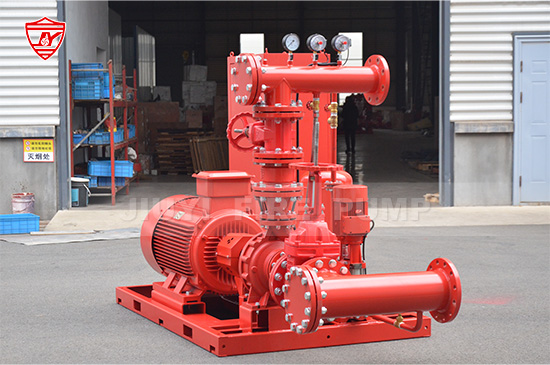
Fire pump starting failure is a serious issue that demands immediate attention. Whether the system uses electric motors or diesel engines, startup problems usually originate from predictable causes such as power failure, controller issues, battery problems, pressure sensing faults, or mechanical blockage.
A systematic troubleshooting process helps maintenance teams identify the problem quickly and restore operation with minimal downtime.
.jpg)