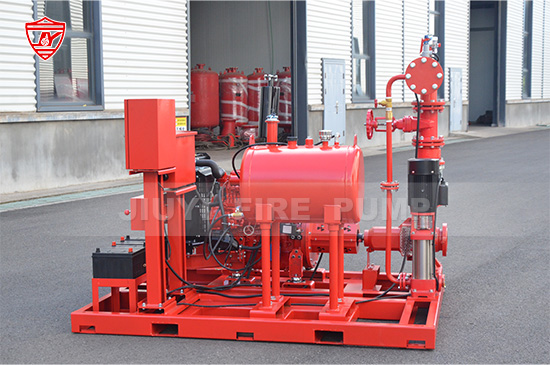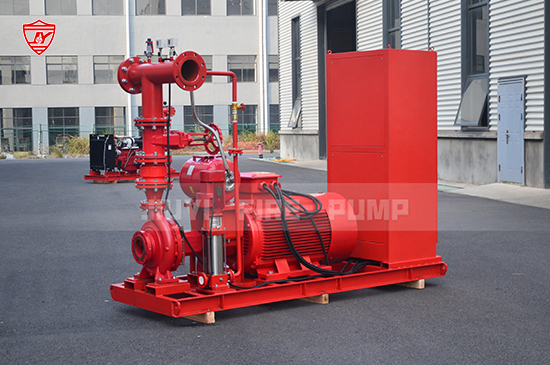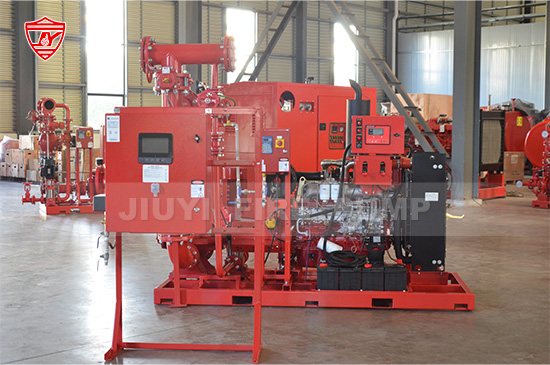
Fire pumps are the heart of any fire protection system. When a fire breaks out, there is no second chance for failure. A fire pump that does not start, cannot deliver required pressure, or stops unexpectedly can result in catastrophic losses, including property damage, business interruption, regulatory penalties, and even loss of life. For building owners, facility managers, and fire protection professionals, minimizing fire pump downtime is not just a technical concern but a critical responsibility.
Preventive maintenance is the most effective way to reduce fire pump downtime. Unlike reactive maintenance, which addresses problems after failures occur, preventive maintenance focuses on identifying potential issues before they develop into system-stopping faults. For manufacturers of fire pumps and system integrators alike, preventive maintenance is essential for ensuring reliability, extending equipment life, and maintaining compliance with fire safety standards. This article explains why preventive maintenance is so important, how it reduces downtime, and what a structured maintenance approach can achieve for existing fire pump systems.
Fire pump downtime is more than a temporary inconvenience. When a fire pump is offline, the entire fire protection system is compromised. Even short periods of unavailability can expose facilities to severe risk. In many jurisdictions, downtime may violate regulatory requirements, leading to fines, shutdowns, or insurance complications.
From an operational standpoint, downtime can interrupt critical processes in industrial plants, data centers, hospitals, commercial complexes, and high-rise buildings. In mission-critical facilities, even a brief lapse in fire protection readiness can lead to forced operational shutdowns. Insurance providers may also impose higher premiums or deny coverage if maintenance records show inadequate care of fire protection systems.
Beyond regulatory and financial implications, downtime erodes trust. Stakeholders expect fire safety systems to function flawlessly. Preventive maintenance protects this trust by ensuring that the fire pump system remains available, reliable, and compliant throughout its lifecycle.
Preventive maintenance is a structured program of regular inspections, testing, servicing, and component replacement carried out at predefined intervals. The goal is to detect early signs of wear, misalignment, corrosion, electrical faults, fuel issues, or performance degradation before they cause operational failure.
Unlike corrective maintenance, which responds to breakdowns, preventive maintenance is proactive. It is based on known failure modes of fire pumps, including mechanical wear, seal degradation, bearing failure, controller malfunctions, power supply instability, and fuel system contamination. By addressing these issues early, maintenance teams can avoid unplanned outages and costly emergency repairs.
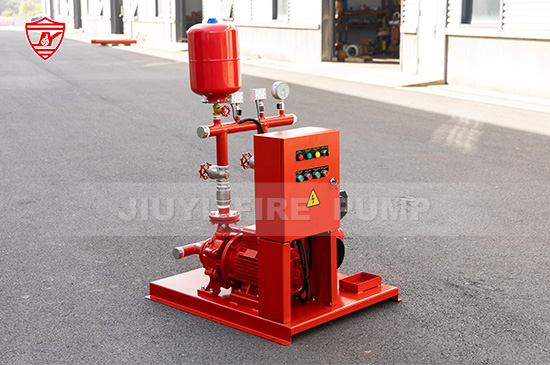
For fire pump systems, preventive maintenance typically covers the pump assembly, driver (electric motor or diesel engine), controller, power supply, fuel system, cooling system, lubrication system, and associated valves and piping. A comprehensive approach ensures that the entire system performs as designed during emergency operation.
Fire pumps operate under demanding conditions, especially during testing cycles and emergency events. Bearings, seals, couplings, and shafts are subject to wear over time. Preventive inspections can identify abnormal vibrations, noise, temperature increases, or minor leaks that indicate early-stage mechanical issues. Addressing these signs early prevents sudden mechanical failure that could take the pump offline unexpectedly.
Electric fire pumps depend on stable power supply and reliable control systems. Loose connections, degraded insulation, and controller faults can prevent the pump from starting or cause nuisance trips. Preventive maintenance includes checking wiring integrity, testing control circuits, verifying alarm functions, and ensuring that backup power systems are ready. This reduces the risk of electrical failures that often cause sudden downtime.
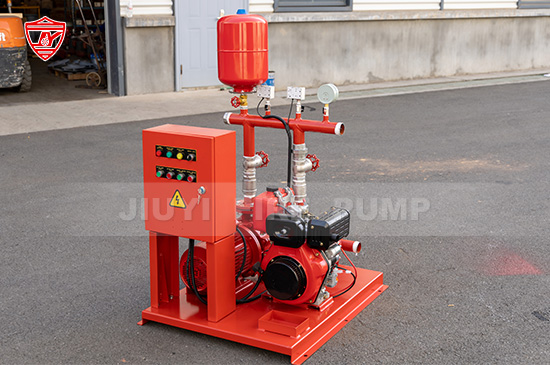
For diesel-driven fire pumps, preventive maintenance plays a critical role in fuel quality management, battery health, cooling system performance, and lubrication. Contaminated fuel, weak batteries, or inadequate cooling can prevent the engine from starting or cause shutdown during operation. Regular servicing ensures that the engine is ready to run at full load whenever required, reducing the risk of failure during emergencies or testing.
Unplanned shutdowns are the most disruptive form of downtime. They often occur at the worst possible time and require immediate corrective action, which may involve spare parts that are not readily available. Preventive maintenance schedules component replacement and servicing during planned windows, minimizing operational disruption and avoiding emergency repairs.
Fire pumps are long-term assets designed for decades of service. However, without proper maintenance, premature failure is common. Preventive maintenance extends the service life of pumps, motors, engines, and controllers by reducing wear, preventing corrosion, and maintaining optimal operating conditions. Longer equipment life means fewer replacements, fewer major failures, and less downtime over the system’s lifecycle.
Fire pump failures often follow predictable patterns. Preventive maintenance directly targets these common causes:
Mechanical seal leakage due to aging or improper lubrication
Bearing failure caused by inadequate lubrication or misalignment
Coupling misalignment leading to vibration and accelerated wear
Electrical faults such as loose terminals or insulation breakdown
Controller malfunction due to dust, moisture, or component aging
Battery failure in diesel fire pumps caused by sulfation or lack of testing
Fuel system contamination from water, microbial growth, or sediment
Cooling system blockage leading to overheating during operation
By systematically inspecting and servicing these areas, preventive maintenance prevents many failures before they can cause downtime.
Fire pump systems are governed by strict codes and standards. Preventive maintenance is not only a best practice but also a compliance requirement in many regions. Maintenance records demonstrate that the system is being cared for according to accepted standards, which is critical during audits, inspections, and insurance reviews.
Well-documented preventive maintenance programs help facility owners demonstrate due diligence. This reduces legal and regulatory risk in the event of a fire incident. Moreover, consistent compliance reduces the likelihood of enforced shutdowns or corrective orders that can take systems offline and disrupt operations.
Preventive maintenance is often perceived as a cost, but in reality, it is an investment that delivers measurable returns. Planned maintenance activities are significantly less expensive than emergency repairs, which often involve expedited labor, premium spare parts, and extended downtime.
From an operational perspective, preventive maintenance improves predictability. Maintenance teams can plan work during low-impact periods, coordinate with operations, and ensure that spare parts are available. This reduces stress on personnel and improves overall system reliability.
Financially, reduced downtime translates to lower business interruption risk, fewer penalties, and better insurance terms. Over the long term, the cumulative savings from avoided failures and extended equipment life far exceed the cost of routine maintenance.
An effective preventive maintenance strategy starts with understanding the specific fire pump system configuration, including pump type, driver type, operating environment, and duty requirements. Maintenance intervals should be defined based on manufacturer recommendations, regulatory requirements, and operational conditions.
A structured program typically includes:
Routine visual inspections to identify leaks, corrosion, and physical damage
Operational testing to verify pump start-up, pressure, and flow performance
Electrical inspections for controllers, wiring, and power supply components
Lubrication and mechanical checks for bearings, couplings, and seals
Fuel, cooling, and battery checks for diesel engine-driven systems
Documentation and trend analysis to identify recurring issues
Consistency is key. Preventive maintenance is most effective when it is performed regularly, documented accurately, and reviewed periodically to identify patterns and improvement opportunities.
Fire pump manufacturers play a crucial role in reducing downtime through design, documentation, and support. High-quality materials, robust engineering, and thorough factory testing improve baseline reliability. Clear maintenance guidelines help operators understand what to inspect, when to service, and how to identify early signs of trouble.
Manufacturers can also support preventive maintenance by providing training, technical documentation, recommended spare parts lists, and system upgrade options. As systems age, modernization programs can further reduce downtime by replacing obsolete components and improving system performance.
The ultimate purpose of preventive maintenance is not just to reduce downtime, but to ensure fire safety readiness. A fire pump system that is consistently maintained is more likely to perform as intended during an emergency. This readiness protects lives, assets, and business continuity.
Over time, organizations that adopt preventive maintenance as a core operational practice develop a culture of reliability. Fire protection systems are no longer treated as passive assets, but as critical infrastructure that requires active care. This mindset shift leads to better planning, stronger compliance, and improved safety outcomes.
Fire pump preventive maintenance is one of the most effective strategies for reducing downtime and ensuring system reliability. By addressing mechanical wear, electrical integrity, engine performance, and control system functionality before failures occur, preventive maintenance minimizes unplanned outages and protects fire safety readiness. For facility owners, engineers, and fire safety professionals, investing in structured preventive maintenance delivers long-term operational, financial, and safety benefits. A well-maintained fire pump system is not just more reliable; it is a fundamental pillar of effective fire protection.