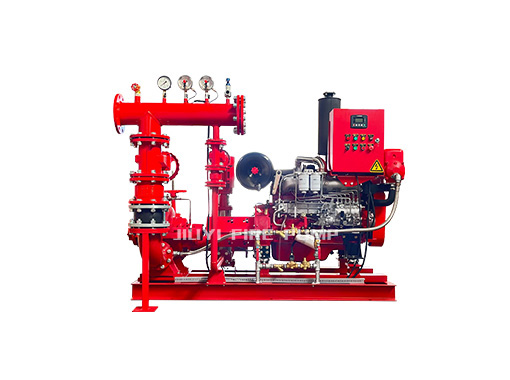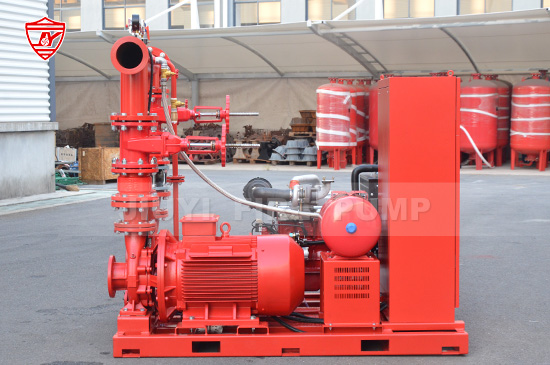
Fire protection systems are designed to operate when normal conditions fail. During emergencies such as power outages, electrical failures, or severe fire incidents, reliability becomes the most important factor. This is where diesel fire pumps play a critical role.
A diesel fire pump provides independent and dependable water pressure to fire protection systems, ensuring that water reaches sprinklers, hydrants, and standpipe systems even when electrical power is unavailable.
Whether protecting industrial facilities, commercial buildings, warehouses, airports, data centers, or municipal infrastructure, diesel fire pumps remain one of the most trusted solutions in modern fire safety engineering.
This guide explains everything you need to know about diesel fire pumps, including how they work, major components, applications, standards, installation considerations, maintenance requirements, and selection tips.
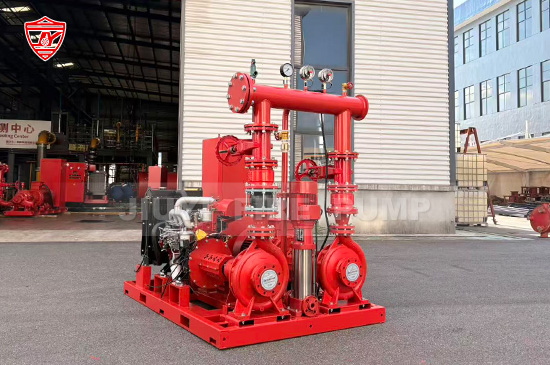
A diesel fire pump is a fire protection pump driven by a diesel engine instead of an electric motor. Its purpose is to deliver water at the required pressure and flow rate during a fire emergency.
Unlike standard water pumps, fire pumps are specifically designed for emergency operation and must meet strict performance and reliability requirements.
When water pressure from the municipal supply or storage tank cannot meet fire protection demand, the fire pump activates and boosts pressure throughout the fire suppression system.
Diesel-driven units are especially valuable because they operate independently of utility electricity.
Typical diesel fire pump systems are commonly installed with:
These components work together to ensure reliable performance under emergency conditions.
The operation of a diesel fire pump follows a straightforward process but involves carefully coordinated controls.
The fire protection system maintains a preset pressure level during normal conditions.
A jockey pump often helps maintain pressure and compensates for small leaks or pressure changes.
When a sprinkler opens or hydrant demand increases during a fire event, system pressure drops.
Pressure sensors detect this change.
The fire pump controller automatically starts the diesel engine.
Modern systems generally include redundant battery starting systems to improve reliability.
The engine drives the pump, increasing water pressure and delivering sufficient flow to suppression equipment.
Most fire pump systems are designed to continue operating until manually stopped after the emergency is resolved.
Understanding system components helps operators maintain reliability and select suitable equipment.
The engine supplies mechanical power to drive the pump.
Fire pump diesel engines are specifically engineered for emergency service and continuous operation under demanding conditions.
Important characteristics include:
The pump converts engine power into hydraulic energy.
Common fire pump types include:
Popular for commercial and industrial projects.
Advantages:
Compact and cost-effective.
Advantages:
Used when water sources are below ground.
Advantages:
The controller manages automatic engine start, monitoring, alarms, and operational logic.
Functions may include:
Provides sufficient diesel supply for emergency operation duration.
Fuel storage requirements depend on local codes and project specifications.
Dual battery systems are commonly installed to ensure engine startup reliability.
Maintains proper engine temperature during extended operation.
Cooling options may include:
Diesel fire pumps offer several advantages that make them a preferred option across many industries.
One of the biggest advantages is continued operation during electrical outages.
Fire incidents sometimes cause utility failures, making independent operation essential.
Diesel systems are designed for emergency use and long-term dependability.
Facilities without stable electrical infrastructure often rely on diesel-driven systems.
Diesel fire pumps can support demanding flow and pressure requirements.
Properly designed diesel fire pump packages support regulatory compliance requirements.
Diesel fire pumps are widely used across multiple industries.
Manufacturing plants often require independent fire protection capability.
Large storage areas require reliable water delivery during emergencies.
Critical infrastructure frequently relies on diesel-powered protection systems.
High-rise buildings and business centers often incorporate fire pump systems.
Large-scale infrastructure demands dependable emergency operation.
Facilities with critical operations commonly use diesel fire pumps.
Public infrastructure projects may require dedicated fire protection solutions.
Fire pumps operate under recognized industry standards.
Compliance helps ensure safety, reliability, and performance.
NFPA 20 establishes requirements for:
This standard is widely referenced in fire protection projects.
UL-listed fire pumps are evaluated for safety and performance.
Certification often increases confidence among consultants, contractors, and end users.
FM-approved equipment undergoes testing to verify performance and reliability.
Regional regulations may include additional requirements beyond international standards.
Always review project specifications and local authority requirements.
Selecting a fire pump involves more than choosing engine power.
Consider these factors.
Determine the volume of water required.
Flow is usually expressed in:
Pressure requirements depend on:
Identify available supply:
Select according to installation conditions and performance requirements.
Consider:
Determine whether UL, FM, or project-specific approvals are required.
Proper installation directly affects fire pump performance.
Important considerations include:
Allow adequate space for:
Install on stable foundations to reduce vibration.
Ensure safe routing and ventilation.
Follow applicable codes for fuel storage and piping.
Operators should have safe and convenient access.
Routine maintenance is essential to ensure readiness.
Recommended activities include:
Conduct full-flow testing to verify pump performance.
Document results for compliance and maintenance records.
Possible causes:
Possible causes:
Possible causes:
Possible causes:
Regular inspections help reduce unexpected failures.
Fire protection equipment continues to evolve.
Current developments include:
Manufacturers are focusing on improving reliability while simplifying operation and maintenance.
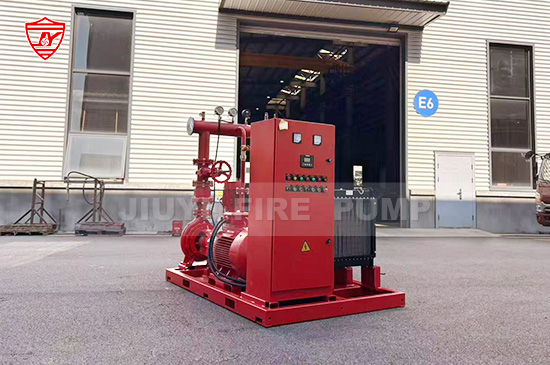
Diesel fire pumps remain one of the most reliable fire protection solutions available for critical applications. Their ability to operate independently of electrical power makes them essential for facilities where uninterrupted fire suppression capability is required.
Choosing the right diesel fire pump involves understanding system demand, applicable standards, environmental conditions, and long-term maintenance requirements.
.jpg)