Fire protection systems are designed for one purpose: to perform immediately and reliably when emergencies occur. Yet one of the greatest threats to fire protection infrastructure is often not the fire itself—it is the loss of electrical power.
Power outages can occur during severe weather events, utility failures, equipment malfunctions, grid overloads, earthquakes, or even as a direct result of a fire incident. When electricity becomes unavailable, conventional electrically driven systems may stop functioning unless backup solutions are already in place.
This is where diesel fire pumps become essential.
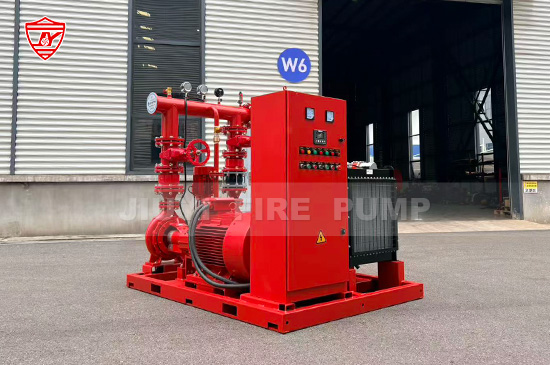
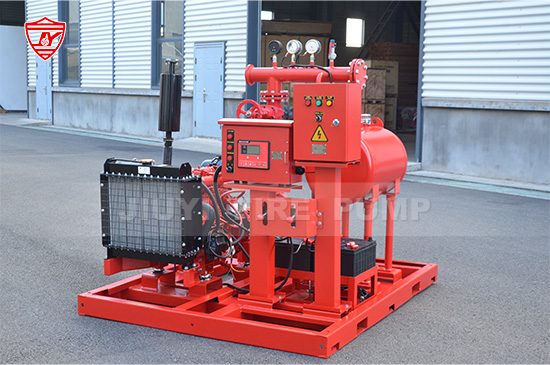
Diesel fire pumps are engineered to provide dependable water supply and maintain fire suppression capability even when electrical infrastructure is compromised. Across industrial facilities, commercial buildings, warehouses, manufacturing plants, energy facilities, and critical infrastructure projects, diesel fire pumps remain one of the most trusted solutions for emergency fire protection.
This article explains why diesel fire pumps play such a critical role during power outages and how they help protect lives, property, and business continuity.
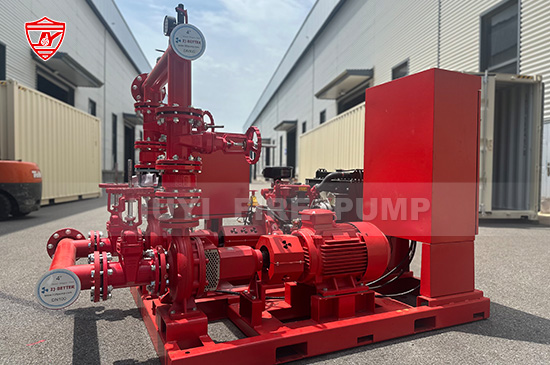
A fire pump is a key component of a fire protection system. Its primary function is to deliver adequate water flow and pressure to firefighting equipment such as sprinkler systems, standpipes, hydrants, and suppression systems.
In many facilities, municipal water pressure alone cannot meet the required flow demand during a fire emergency. Fire pumps increase water pressure to ensure water reaches every protected area effectively.
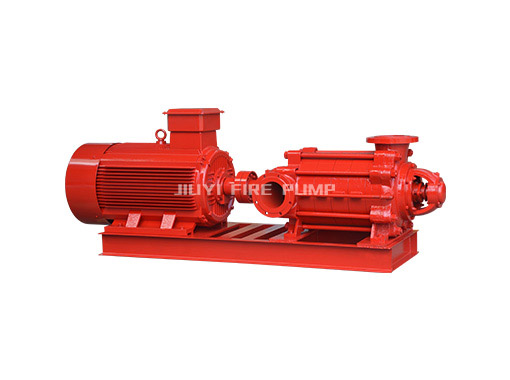
Fire pumps are generally powered by two main sources:
Under normal operating conditions, both options can provide reliable fire protection. However, their performance differs significantly when external power becomes unavailable.
Power outages create immediate operational challenges for buildings and industrial facilities.
Lighting systems may fail. HVAC systems may stop. Production equipment may shut down. More importantly, electric-driven fire protection systems can become unavailable unless emergency power systems activate successfully.
In a fire event, every second matters.
If the fire pump cannot operate, water pressure drops below required levels, potentially preventing sprinklers and suppression equipment from controlling the fire.
This creates several serious risks:
A fire protection system must remain functional independently of the electrical grid.
That requirement is one of the primary reasons diesel fire pumps continue to be widely adopted.
Unlike electric fire pumps, diesel fire pumps use internal combustion engines as their primary power source.
Because they do not rely on utility electricity during operation, they can continue functioning even if the entire facility experiences a complete power loss.
Once activated, the diesel engine drives the pump assembly and maintains required water pressure throughout the fire suppression process.
Key operational advantages include:
Diesel fire pumps operate using stored fuel rather than utility electricity.
Even during extensive grid failures or facility-wide electrical shutdowns, the pump remains operational.
This independence significantly improves emergency preparedness.
Modern diesel fire pump systems are designed to start automatically when pressure drops within the fire protection network.
Automatic controllers monitor system conditions continuously and initiate engine startup when demand occurs.
This rapid response minimizes delays during emergency events.
Diesel engines are designed to run continuously for extended periods when fuel supply requirements are properly maintained.
During prolonged outages, this capability allows fire protection systems to remain active long after backup electrical systems may become limited.
One common misconception is that power outages and fire events occur independently.
In reality, they frequently happen together.
Examples include:
Short circuits and overloaded systems may trigger fires while simultaneously disconnecting power.
Storms, hurricanes, earthquakes, and flooding often damage electrical infrastructure while increasing fire risks.
Equipment failures in manufacturing facilities can disrupt both operations and electrical distribution.
Regional blackouts can reduce building resilience and increase emergency response complexity.
Because of these overlapping risks, relying solely on electrically powered fire protection introduces vulnerabilities.
Diesel fire pumps help close this gap.
Certain industries cannot tolerate interruptions in fire protection.
For these environments, diesel fire pumps are frequently selected as the preferred solution.
Factories often operate high-value equipment and maintain continuous production schedules.
Power interruptions combined with fire incidents can create substantial financial losses.
Diesel fire pumps provide operational continuity for fire protection.
Large storage facilities require consistent water pressure across extensive sprinkler networks.
Diesel-driven systems help maintain coverage during utility failures.
Power stations, substations, and fuel processing facilities require independent emergency systems.
Diesel fire pumps support critical protection strategies.
Healthcare environments prioritize uninterrupted life safety systems.
Fire protection must remain available regardless of electrical conditions.
High-value digital infrastructure requires resilient fire suppression to minimize operational disruptions.
Tall buildings often require elevated pressure levels and reliable emergency operation under adverse conditions.
Understanding the operational difference helps project owners make informed decisions.
Advantages:
Limitations:
Advantages:
Considerations:
Many facilities ultimately choose a combination strategy depending on project requirements and applicable standards.
Installing a diesel fire pump alone does not guarantee performance.
System design and maintenance directly influence reliability.
Important considerations include:
Fuel systems should support expected emergency runtime requirements.
Storage conditions should maintain fuel quality.
Routine testing verifies startup reliability and operating performance.
Scheduled inspections reduce unexpected failures.
Diesel engines generate heat during operation.
Adequate airflow and thermal management improve system durability.
Modern controllers provide monitoring, alarm notifications, and automatic operational functions.
Projects should follow relevant fire protection requirements and local regulations to ensure long-term reliability.
As climate-related events, aging infrastructure, and energy demand continue to affect electrical reliability globally, resilient fire protection systems are becoming increasingly important.
Building owners and project developers are focusing not only on compliance but also on operational resilience.
Questions that decision-makers now ask include:
Diesel fire pumps provide a practical answer to these concerns.
Their independence, reliability, and proven performance make them a critical element of comprehensive fire protection strategies.
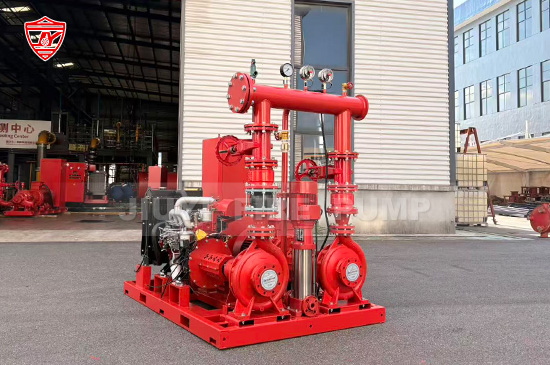
Power outages are unpredictable, but fire protection readiness cannot be.
When electrical systems fail, facilities still need dependable water delivery to suppress fires and protect people, assets, and operations.
Diesel fire pumps provide that reliability by operating independently from the power grid, delivering consistent performance during emergencies, and ensuring fire protection remains active when it is needed most.