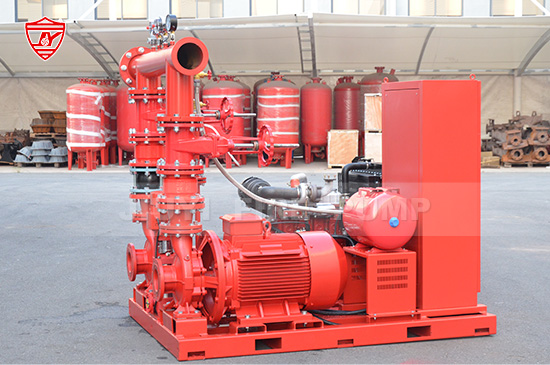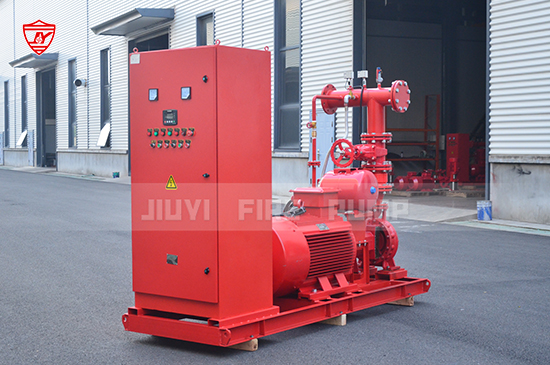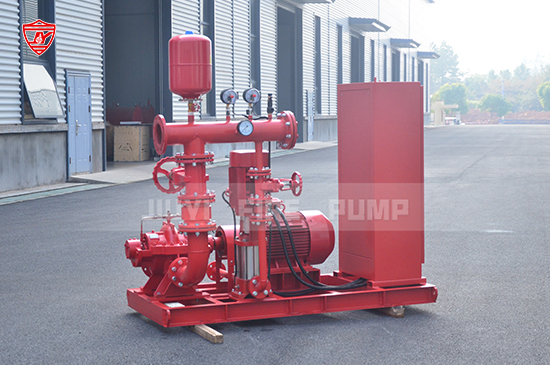
Diesel fire pumps play a critical role in fire protection systems by providing a dependable water supply when the main power source becomes unavailable during an emergency. Unlike standard pumps used in daily operations, fire pumps often remain idle for long periods and are expected to perform immediately and without failure when a fire event occurs.
Because diesel fire pumps are standby equipment, reliability cannot be assumed simply because the system appears inactive or undamaged. Regular testing is necessary to verify that every component continues to operate as intended. Weekly testing has become an essential practice across fire protection facilities because it helps uncover hidden issues before they become critical failures.
This article explains why weekly testing matters, what problems it prevents, what should be checked during testing, and how routine testing contributes to long-term fire safety and operational confidence.
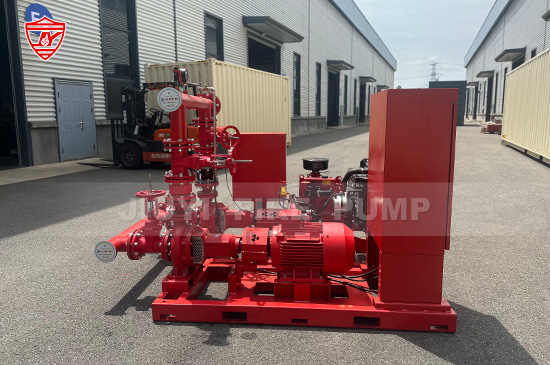
A diesel fire pump is designed to deliver water at the required pressure and flow rate when fire demand exceeds the capacity of the normal water supply or when electrical power is unavailable.
Diesel-driven systems are commonly selected because they offer:
Typical installation environments include:
Since these systems are intended for emergency use rather than continuous operation, inactivity itself becomes a risk factor.
One of the biggest misconceptions about fire pumps is that equipment which is not operating daily requires less maintenance.
In reality, standby systems often require more disciplined inspection routines.
Long periods without operation can lead to:
These problems may remain invisible until the moment the system is required to respond to a fire emergency.
Weekly testing creates controlled opportunities to confirm readiness.
The primary purpose of weekly testing is early fault identification.
Diesel engines and mechanical components can gradually develop issues that are difficult to detect through visual inspection alone.
Routine weekly operation allows maintenance teams to identify:
Starting batteries are among the most common causes of diesel fire pump failure.
Testing confirms:
Weak batteries discovered during testing can be replaced before an emergency occurs.
Diesel fuel changes over time.
Weekly testing can reveal:
Maintaining fuel quality is essential for dependable engine startup.
Diesel engines generate heat during operation.
Testing helps identify:
Cooling issues that go unnoticed can result in overheating during emergency operation.
Rotating equipment naturally experiences wear.
Weekly operation may reveal:
Small mechanical issues become easier and less costly to correct when detected early.
Routine testing is not only good engineering practice but also an important part of fire protection compliance.
Inspection and testing requirements exist because fire systems must demonstrate operational readiness rather than rely on assumptions.
Weekly testing records provide evidence that:
Proper documentation may also support:
Consistent testing creates accountability and strengthens overall fire safety management.
Reliability is not achieved through equipment installation alone.
A fire pump that performs successfully during commissioning still requires verification throughout its service life.
Weekly testing improves reliability by:
Periodic operation circulates oil, lubricates internal parts, and prevents component seizure.
Fire pumps must start immediately when pressure drops.
Testing verifies control logic and automatic activation.
Modern fire pump systems may interact with alarms, controllers, and monitoring systems.
Routine testing ensures these connections remain functional.
Gradual deterioration becomes visible only when systems are exercised regularly.
The result is improved confidence that the fire protection system will perform under real emergency conditions.
Weekly testing should follow documented procedures and be performed by trained personnel.
Typical inspection areas include:
Observe:
Verify:
Inspect:
Check:
Review:
Monitor:
Inspect:
A consistent checklist helps standardize inspections and reduce human error.
Facilities often identify issues during routine tests that would otherwise remain hidden.
Examples include:
Many of these issues are inexpensive to fix when discovered early but could lead to complete pump failure during a fire event.
Skipping weekly testing may appear to reduce labor and maintenance expenses in the short term, but the long-term consequences can be severe.
Potential risks include:
If the pump does not start during an emergency, the entire fire protection strategy may fail.
Undetected issues often escalate into major repairs.
Missed inspection routines may create compliance concerns.
Equipment failure can interrupt production and facility operations.
The most serious consequence is increased risk to life and property.
Weekly testing should be viewed as an investment in reliability rather than a maintenance expense.
Organizations can improve testing effectiveness through several practical measures.
Develop documented testing instructions.
Track trends and recurring issues.
Ensure operators understand both mechanical and control system requirements.
Small changes in pressure, temperature, or startup time may indicate developing problems.
Testing only creates value if identified issues are repaired promptly.
Reliable batteries, controllers, engines, and pump assemblies improve long-term performance.
Weekly testing should not be treated as an isolated maintenance activity. It is part of a complete fire protection strategy designed to ensure emergency readiness.
A reliable diesel fire pump system depends on:
Organizations that implement disciplined testing programs reduce uncertainty and improve confidence in their emergency response capabilities.
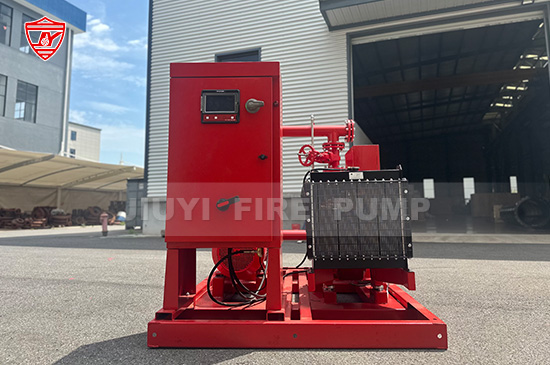
Weekly testing is one of the most important practices for maintaining diesel fire pump reliability. Because fire pumps often remain idle for extended periods, hidden failures can develop without warning.
Regular testing helps identify battery issues, fuel problems, cooling defects, controller faults, and mechanical wear before an emergency occurs. It also supports compliance, reduces repair costs, and improves overall fire protection readiness.