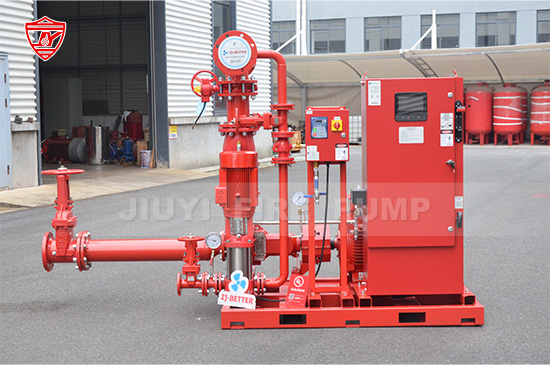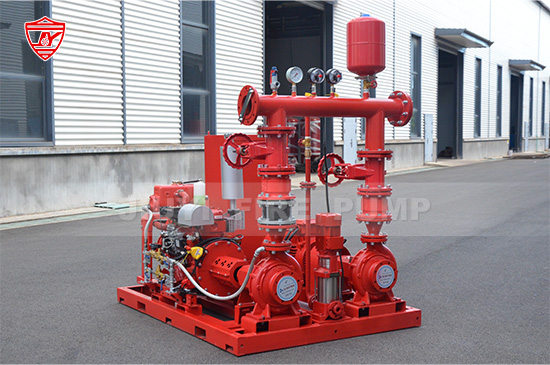
Fire protection is one of the most critical investments for industrial facilities. Manufacturing plants, warehouses, oil and gas facilities, power stations, chemical processing plants, logistics centers, and other industrial environments face unique fire risks that demand reliable and uninterrupted fire suppression capabilities.
Among the available fire protection solutions, diesel fire pumps remain one of the most widely specified and trusted options. While electric fire pumps are commonly used in many buildings, diesel fire pumps continue to play an essential role in industrial facilities where operational continuity and emergency reliability cannot be compromised.
But why are diesel fire pumps required in so many industrial applications?
This article explores the reasons behind the widespread use of diesel fire pumps, their operational advantages, regulatory considerations, and why many facility owners consider them an essential part of their fire protection strategy.
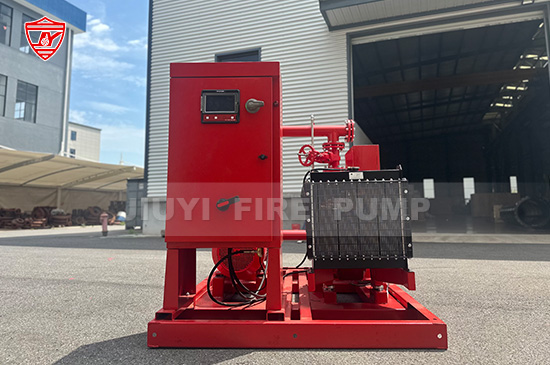
A diesel fire pump is a dedicated fire protection pump powered by a diesel engine rather than an electric motor. Its primary purpose is to provide sufficient water pressure and flow to support fire sprinkler systems, hydrants, standpipes, foam systems, and other fire suppression equipment.
Unlike general-purpose pumps, fire pumps are specifically designed to operate under emergency conditions. Their job is simple but critical: deliver water when the normal water supply pressure becomes insufficient during a fire event.
A typical diesel fire pump system includes:
The independence of diesel fire pumps from the electrical grid is one of their greatest advantages.
Industrial facilities often contain conditions that significantly increase fire risk:
In these environments, a delayed or failed fire response can result in:
Because of these consequences, industrial fire protection systems are designed with redundancy and reliability as top priorities.
Diesel fire pumps help achieve both.
One of the most important reasons industrial facilities require diesel fire pumps is their ability to continue operating when electrical power is unavailable.
Fire incidents frequently lead to electrical failures due to:
An electric fire pump depends entirely on electrical availability. If power is interrupted and backup systems fail, water pressure may become insufficient.
Diesel fire pumps eliminate this dependency.
Because they generate their own mechanical power through a dedicated engine and fuel supply, they remain operational even during complete electrical outages.
This independence makes them especially valuable for mission-critical industrial operations.
Industrial fire protection systems are often designed according to stricter reliability requirements than commercial buildings.
Facilities such as:
typically demand emergency systems capable of operating under extreme conditions.
Diesel fire pumps provide multiple reliability benefits:
In many cases, facility owners install diesel fire pumps specifically to increase resilience.
Many industrial operations are located in areas where electrical reliability cannot be guaranteed.
Examples include:
These facilities may experience:
Installing a diesel fire pump ensures that fire protection capability remains available regardless of external utility conditions.
This operational independence is often a deciding factor during project design.
Fire protection standards frequently recognize diesel-driven fire pumps as an acceptable and highly reliable fire pump option.
Industrial facilities commonly follow requirements established by:
These standards focus on ensuring fire pumps remain available under emergency conditions.
Diesel fire pumps are often selected because they align well with reliability and redundancy objectives established during engineering design and risk assessments.
Compliance is not simply about meeting regulations—it is about ensuring that the fire protection system performs when needed.
Industrial fires can require extended suppression periods.
Unlike small commercial incidents, industrial fire emergencies may involve:
Diesel fire pumps are designed to provide sustained operation over extended periods.
Key operational strengths include:
For facilities with extensive fire protection networks, this capability becomes essential.
Redundancy is a core principle of industrial fire protection.
A single point of failure can compromise an entire emergency response system.
To reduce this risk, many facilities adopt multiple layers of protection, including:
A common configuration includes:
This arrangement allows facilities to maintain fire protection capability even if one component becomes unavailable.
Diesel fire pumps serve as a dependable backup layer that strengthens overall system resilience.
Insurance providers often evaluate fire protection infrastructure when determining facility risk profiles.
A robust fire protection system may contribute to:
Because diesel fire pumps operate independently of external power, they are frequently viewed as a strong reliability measure in industrial risk assessments.
For facilities with significant asset values, investing in dependable fire pump systems can support long-term operational stability.
Although both technologies play important roles, selecting the appropriate fire pump depends on project requirements.
Diesel Fire Pumps:
Electric Fire Pumps:
Many industrial projects combine both systems to maximize reliability.
The decision should consider:
When specifying a diesel fire pump for industrial applications, consider:
Ensure the pump can deliver required fire protection demand.
Evaluate pressure losses across the entire fire system.
Confirm sufficient operating duration.
Account for temperature, altitude, and ventilation.
Select systems designed to meet project requirements and recognized fire standards.
Regular testing ensures readiness and long-term performance.
As industrial facilities continue to expand and operational risks evolve, the demand for dependable emergency systems remains strong.
Diesel fire pumps continue to offer advantages that are difficult to replace entirely:
Although advances in electrical infrastructure and energy systems continue to develop, diesel fire pumps remain a preferred solution across many industrial sectors.
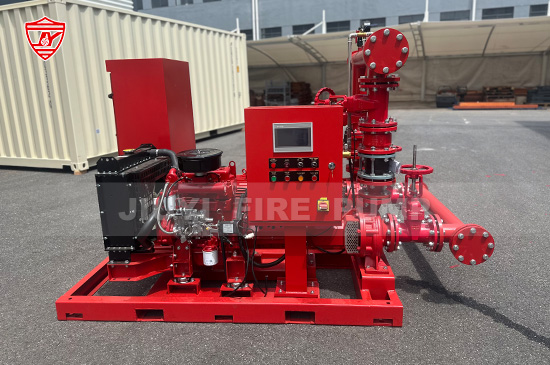
Diesel fire pumps are required in many industrial facilities because they provide a level of reliability that is essential during emergencies. Their ability to operate independently of electrical power, support long-duration fire suppression, improve system redundancy, and maintain protection in remote or high-risk environments makes them a critical component of industrial fire safety.
For facility owners, engineers, and project developers, choosing the right fire pump configuration is not simply about meeting requirements—it is about ensuring continuous protection when every second matters.
.jpg)