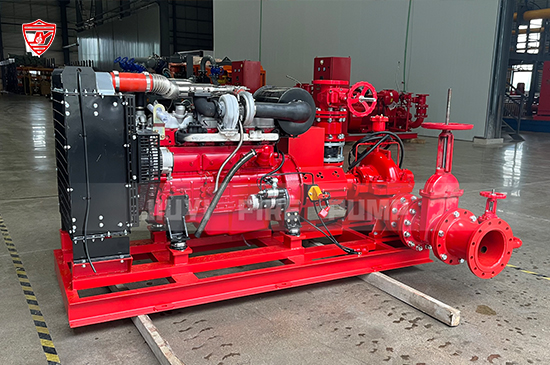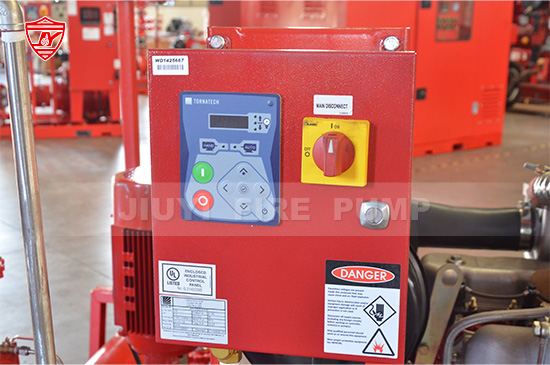
Diesel fire pumps play a critical role in fire protection systems, especially in facilities where electrical power may be unreliable or unavailable during emergencies. These pumps are designed to provide a dependable water supply when a fire occurs, making their reliability essential for protecting lives, property, and business operations.
However, like any mechanical system, diesel fire pumps can fail if they are not properly maintained and tested. A fire pump that fails to start or perform during an emergency can lead to devastating consequences, including property damage, business interruption, regulatory penalties, and increased safety risks.
Understanding the common causes of diesel fire pump failures and implementing a proactive maintenance strategy can significantly improve system reliability. This article explores the most frequent causes of diesel fire pump failures and outlines practical steps to prevent them.
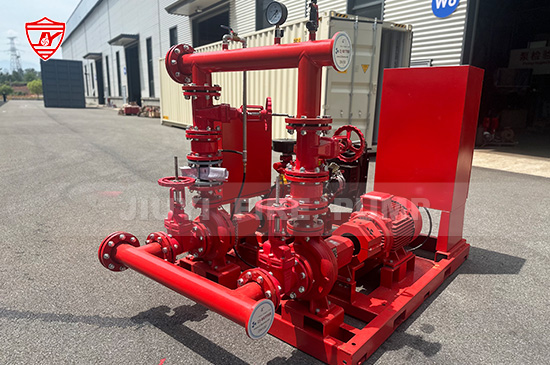
A diesel fire pump is often the last line of defense when a fire emergency occurs. Unlike standard industrial pumps, fire pumps may remain idle for long periods and are expected to operate immediately when needed.
Because diesel fire pumps operate under emergency conditions, any failure can compromise the entire fire protection system. Common consequences include:
Ensuring reliability requires regular inspection, testing, maintenance, and adherence to applicable standards.
Fuel-related issues are among the most common causes of diesel fire pump failures.
Problems may include:
Since diesel fuel can deteriorate over time, especially in humid environments, contaminated fuel can cause engine starting problems and poor performance.
The diesel engine relies on batteries to start. A weak or failed battery can prevent the pump from operating during an emergency.
Common battery issues include:
Many fire pump failures occur simply because batteries were not properly maintained.
Diesel engines generate substantial heat during operation. If the cooling system is compromised, engine overheating can occur.
Potential causes include:
Overheating can cause severe engine damage and reduce pump performance.
Engine lubrication is essential for reducing friction and wear.
Common lubrication issues include:
Insufficient lubrication can result in accelerated engine wear and unexpected failures.
Many diesel fire pump problems remain hidden until an emergency occurs.
Without regular testing, operators may fail to identify:
Routine testing helps detect minor issues before they become major failures.
Although diesel fire pumps are engine-driven, electrical components still play a critical role.
Potential problems include:
Controller failures can prevent automatic pump startup when fire conditions are detected.
Over time, mechanical components naturally deteriorate.
Common wear-related issues include:
Regular inspections help identify wear before it affects system performance.
Preventive maintenance is the most effective strategy for reducing diesel fire pump failures.
A well-structured maintenance program should include:
Documenting all maintenance activities ensures compliance and helps identify recurring issues.
Weekly testing is one of the most important requirements for diesel fire pump reliability.
During weekly testing, operators should verify:
Testing provides early warning signs of developing problems and confirms system readiness.
Fuel quality directly affects engine reliability.
Best practices include:
Facilities operating in humid climates should pay particular attention to water accumulation and microbial growth in fuel tanks.
Battery maintenance is often overlooked but remains one of the most critical aspects of diesel fire pump reliability.
Recommended actions include:
Many experts recommend replacing batteries before they reach the end of their expected service life to reduce failure risk.
A properly functioning cooling system is essential for diesel engine performance.
Routine inspections should include:
Any signs of overheating should be investigated immediately.
Oil analysis provides valuable information about engine health.
Benefits include:
Regular oil sampling can help identify potential issues long before they become visible during inspections.
The fire pump controller serves as the system's command center.
Routine controller inspections should verify:
Any controller abnormalities should be corrected immediately to maintain system reliability.
Annual flow testing helps verify that the fire pump can deliver the required pressure and flow rate.
Flow testing evaluates:
Performance data should be compared with original acceptance test results to identify any decline.
Environmental conditions can significantly impact diesel fire pump reliability.
Potential risks include:
Pump rooms should remain clean, dry, and well-ventilated. Environmental controls help extend equipment life and reduce maintenance costs.
Even the best equipment can fail if operators lack proper training.
Personnel should understand:
Regular training sessions help ensure that staff can identify problems and respond effectively.
Maintenance records are valuable tools for improving reliability.
Documentation should include:
Accurate records allow maintenance teams to track trends and schedule preventive actions before failures occur.
Waiting for components to fail can create unnecessary risk.
Proactive replacement of critical parts can improve reliability and reduce downtime.
Components commonly replaced during preventive maintenance include:
Planned replacement schedules help avoid unexpected failures during emergencies.
Industry standards and manufacturer guidelines provide valuable direction for maintaining diesel fire pumps.
Maintenance personnel should always follow:
Compliance not only improves reliability but also supports regulatory approval and insurance requirements.
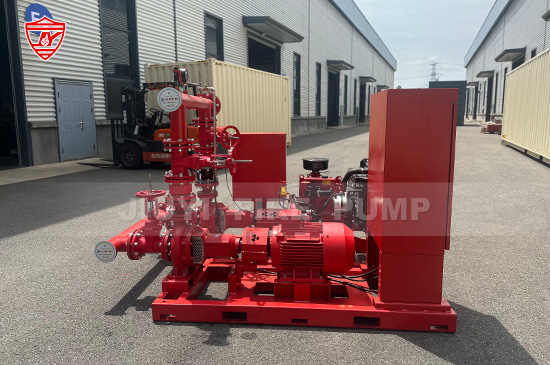
Preventing diesel fire pump failures requires a proactive approach that combines regular testing, preventive maintenance, staff training, and careful monitoring of critical components. Most failures can be traced to avoidable issues such as battery problems, fuel contamination, inadequate lubrication, cooling system deficiencies, or neglected inspections.
By implementing a comprehensive maintenance program, maintaining accurate records, conducting routine testing, and replacing worn components before they fail, facility owners can significantly improve fire pump reliability and ensure that their fire protection systems perform as intended during an emergency.
.jpg)