Fuel storage depots, oil terminals, and tank farms represent some of the highest-risk fire environments in the industrial world. Large volumes of flammable liquids, volatile vapors, complex piping systems, and constant operational activities create conditions where a single ignition source can escalate into a catastrophic fire within minutes. In these environments, fire protection systems are not optional—they are mission-critical infrastructure. Among all fire protection components, the fire pump system plays a central role in ensuring that adequate water pressure and flow are available when a fire emergency occurs.
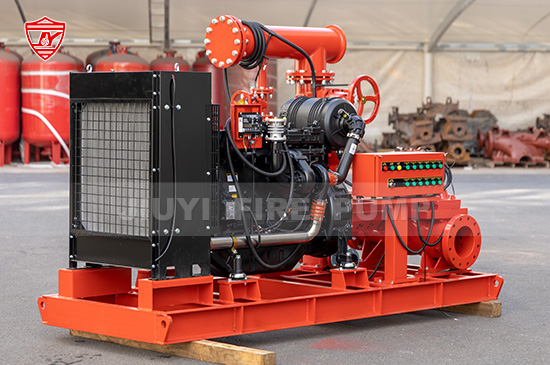
Within fire pump solutions, diesel fire pumps stand out as the most reliable and widely adopted option for fuel storage depots. Their independence from external power sources, ability to operate in extreme conditions, and proven performance in high-risk applications make them a cornerstone of modern fire protection design. This article explains why diesel fire pumps are critical for fuel storage depots, how they enhance operational safety, and what decision-makers should consider when selecting a fire pump system for hazardous fuel storage environments.
Fuel storage depots store and handle large quantities of flammable liquids such as gasoline, diesel fuel, jet fuel, ethanol, and other petroleum products. These substances have low flash points and can ignite easily when exposed to sparks, static electricity, friction, or heat. Once ignited, fuel fires spread rapidly, produce intense heat, and release toxic smoke.
Key fire risks in fuel storage depots include:
Pool fires resulting from fuel spills
Vapor cloud explosions caused by flammable gas accumulation
Tank fires involving large fuel storage tanks
Jet fires from pressurized fuel leaks
Secondary fires spreading to adjacent tanks or structures
In such high-risk environments, fire protection systems must be capable of delivering large volumes of water or foam at high pressure, immediately and continuously, even if normal utilities fail. This is where the fire pump becomes the backbone of the entire fire protection system.
Fire pumps are designed to supply water at the required pressure and flow rate to fire protection systems such as hydrants, monitors, sprinklers, and foam systems. In fuel storage depots, fire pumps support:
Fixed fire monitor systems for tank cooling
Foam proportioning systems for flammable liquid fires
Fire hydrant networks for manual firefighting
Deluge and water spray systems for exposure protection
Without a properly sized and reliable fire pump, even the most advanced fire protection equipment cannot perform effectively. Water supply alone is not enough; the system must maintain pressure under extreme fire conditions, when multiple firefighting points may be activated simultaneously.
Fuel depots often require fire pumps with high flow capacities and long operating durations, because fires in fuel storage facilities can last for extended periods. The fire pump must be capable of continuous operation without performance degradation. This requirement strongly favors diesel fire pumps over other power options.
One of the most critical advantages of diesel fire pumps is their independence from the electrical grid. During a major fire incident, power outages are common. Electrical infrastructure may be damaged by heat, explosions, or fire spread. Even if power is available initially, it cannot be guaranteed throughout the duration of a large-scale fire emergency.
Diesel engine fire pumps operate independently of external power sources. As long as there is sufficient fuel in the dedicated diesel tank, the fire pump can start and run reliably. This independence ensures that fire protection remains operational even during complete power failure, which is especially important in fuel depots where electrical systems may be intentionally shut down to reduce ignition risks.
Fuel storage depots are often located in harsh environments such as coastal areas, deserts, remote industrial zones, or regions with extreme temperatures. Diesel fire pumps are well-known for their durability and ability to operate reliably in challenging conditions.
Unlike electric motors, diesel engines are less sensitive to voltage fluctuations, power quality issues, or electrical faults. They can deliver consistent performance even when environmental conditions are unfavorable. This makes diesel fire pumps particularly suitable for outdoor fire pump installations and remote fuel terminals where stable power supply is uncertain.
Fire safety codes and standards in many regions require the use of diesel fire pumps for critical fire protection applications, especially in high-risk facilities handling flammable liquids. Regulatory bodies and insurance organizations often view diesel-driven fire pumps as the most dependable option for emergency fire protection.
In fuel storage depots, regulatory requirements typically emphasize redundancy, reliability, and independence from single points of failure. Diesel fire pumps help facility owners meet these requirements by providing a robust primary or backup fire pump solution that remains operational even when other systems fail.
Time is the most critical factor in controlling fuel fires. Diesel fire pumps are designed for rapid automatic start upon detection of pressure drops in the fire protection system. This immediate response ensures that water or foam is delivered to firefighting equipment without delay.
In fuel depot scenarios, even a short delay in water supply can allow a fire to escalate rapidly. Diesel fire pumps provide confidence that the fire protection system will activate when needed, delivering the required flow and pressure to suppress or contain the fire in its early stages.
Fuel storage depots often require very high fire water flow rates to protect large tank surfaces, cool adjacent tanks, and supply foam systems simultaneously. Diesel fire pumps are available in a wide range of capacities and power outputs, making them suitable for large-scale fire protection demands.
Compared to many electric fire pumps, diesel fire pumps can deliver higher power levels in remote or off-grid locations without requiring extensive electrical infrastructure upgrades. This makes them a practical solution for large tank farms and fuel terminals with expansive fire protection networks.
While both diesel and electric fire pumps are widely used in fire protection systems, their suitability depends heavily on the application environment. In fuel storage depots, diesel fire pumps offer several advantages over electric alternatives.
Electric fire pumps rely on a stable and reliable power supply. In industrial fuel facilities, electrical systems may be compromised during fire emergencies or deliberately shut down to minimize ignition risks. Even with backup generators, there is still a risk of power failure due to equipment damage or fuel supply issues.
Diesel fire pumps eliminate dependence on external power infrastructure. Their self-contained power source and dedicated fuel supply provide a higher level of reliability in emergency conditions. For this reason, many fuel storage depots adopt diesel fire pumps as the primary fire pump or as a critical backup to electric fire pump systems.
Fire protection system design for fuel storage depots often incorporates redundancy to ensure uninterrupted performance. This may include multiple fire pumps, separate power sources, and independent control systems. Diesel fire pumps play a key role in achieving this redundancy.
By combining electric fire pumps with diesel fire pumps, facility owners can create a dual-power fire protection system. If one pump fails due to power loss or mechanical issues, the other can continue supplying water. This layered approach significantly improves overall system reliability and enhances compliance with safety standards and insurance requirements.
Choosing the right diesel fire pump for a fuel storage depot requires careful evaluation of multiple technical and operational factors. These include:
Required flow rate and pressure based on fire protection system design
Duration of continuous operation required during worst-case fire scenarios
Environmental conditions such as temperature, humidity, and exposure to corrosive atmospheres
Integration with foam systems and water supply infrastructure
Maintenance requirements and long-term reliability
Proper sizing and configuration of the diesel fire pump is essential. Undersized pumps may fail to deliver sufficient water, while oversized systems may increase costs without proportional safety benefits. Professional fire protection engineering and compliance with applicable standards are critical to ensure that the fire pump system performs as intended.
Reliability of diesel fire pumps depends not only on design and manufacturing quality but also on proper maintenance. Fuel storage depots must implement routine inspection, testing, and maintenance programs to ensure that diesel fire pumps are always ready for operation.
Regular testing helps identify issues such as fuel degradation, battery failure, cooling system problems, or mechanical wear. Preventive maintenance ensures that the diesel engine starts reliably and operates at full capacity when an emergency occurs. In high-risk environments like fuel depots, maintenance is not just a technical requirement but a core element of operational safety management.
Beyond regulatory compliance, diesel fire pumps contribute directly to risk reduction, asset protection, and business continuity. Fuel storage depots represent significant capital investment, and a major fire incident can result in severe financial losses, environmental damage, and reputational harm.
By investing in reliable diesel fire pump systems, facility owners demonstrate a proactive approach to fire risk management. This not only enhances safety for personnel and assets but also supports insurance approval, regulatory inspections, and stakeholder confidence. In many cases, the presence of robust fire pump systems can influence insurance premiums and operational licensing.
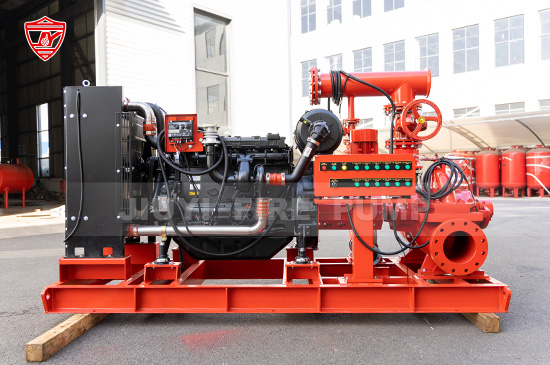
Fuel storage depots operate in some of the most hazardous fire environments in the industrial sector. The potential consequences of a fire incident are severe, making reliable fire protection systems essential. Diesel fire pumps play a critical role in ensuring that fire protection systems remain operational under the most challenging conditions, including power outages, extreme environments, and large-scale fire scenarios.
Their independence from external power sources, high reliability, rapid response capability, and suitability for high-flow applications make diesel fire pumps the preferred choice for fuel storage depots and oil terminals worldwide. For facility owners and fire safety professionals, selecting a high-quality diesel fire pump system is not merely a technical decision but a strategic investment in safety, resilience, and long-term operational security.
.jpg)