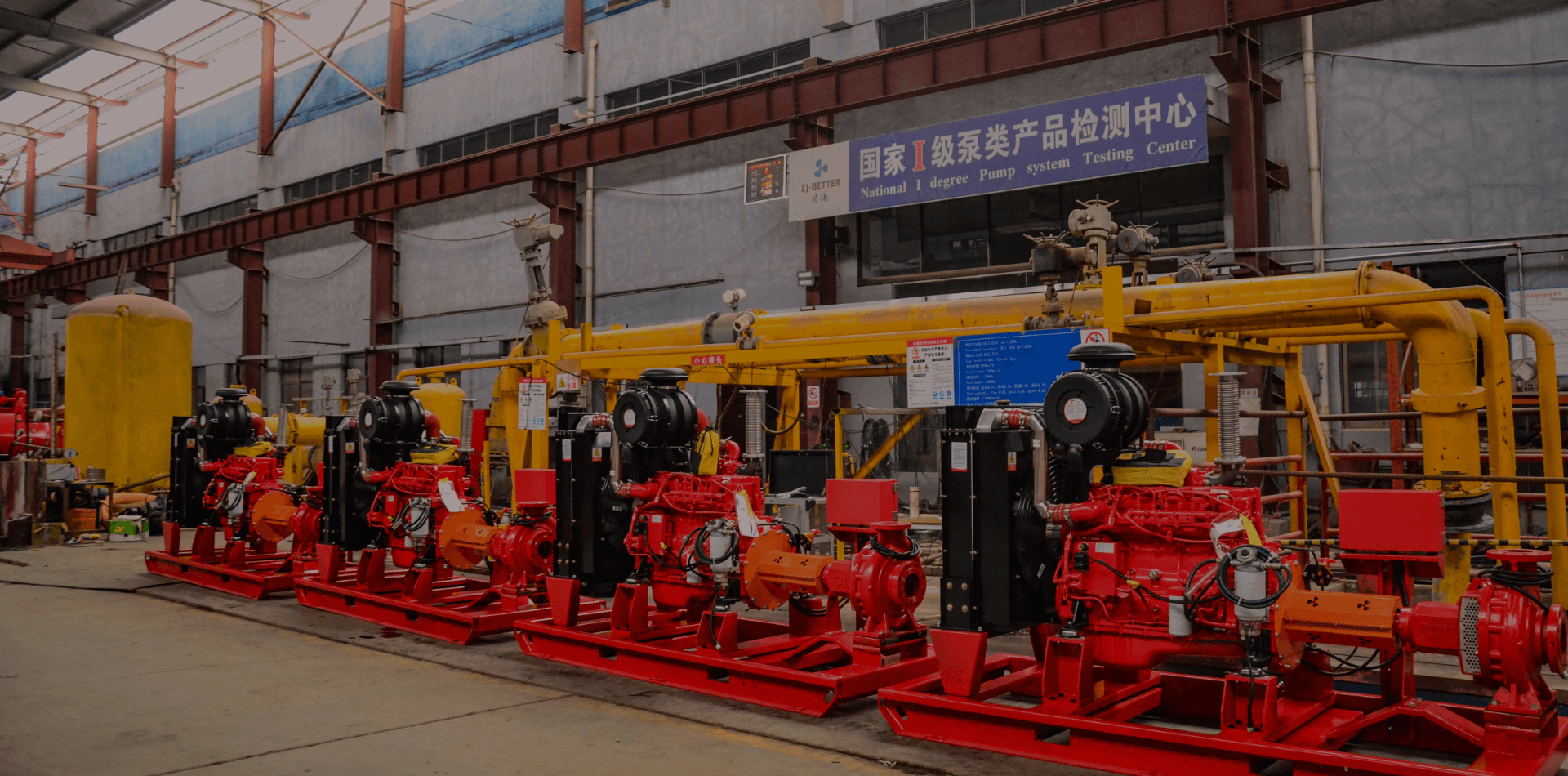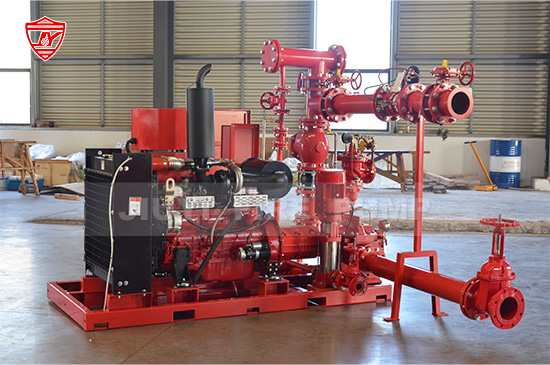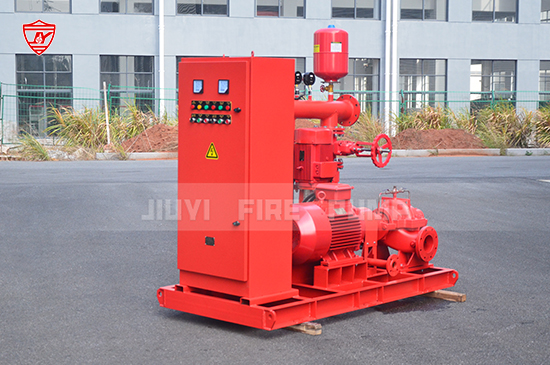
Fire pumps are designed for one purpose: to deliver full-rated performance instantly when a fire emergency occurs. Unlike most industrial pumps that operate daily, fire pumps spend the majority of their service life in standby mode. In many buildings, factories, data centers, and infrastructure projects, a fire pump may remain idle for months or even years before being required to operate under emergency conditions.
Fire pump long standby performance refers to the ability of a fire pump system to start reliably and deliver its rated flow and pressure after extended periods of inactivity. This performance is critical because the pump’s first operation may occur during a life-threatening fire event, leaving no margin for mechanical failure, delayed startup, or reduced output.
Understanding how long standby affects fire pump performance, what risks arise from prolonged idle time, and how to manage these risks is essential for fire safety professionals, system designers, facility managers, and project owners.
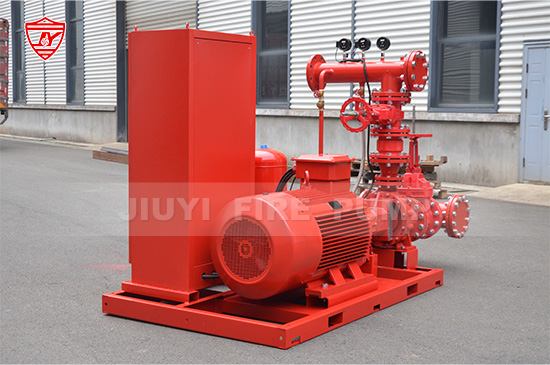
Fire pumps are not ordinary equipment. Their failure does not result in production downtime or efficiency loss; it directly impacts life safety and property protection. A pump that performs well during factory testing may behave very differently after sitting unused in a pump room for several years.
Long standby performance matters because:
Fire pumps are rarely operated under full load conditions during normal facility operation.
Environmental factors such as humidity, temperature, dust, and vibration affect components over time.
Mechanical seals, bearings, couplings, and gaskets can degrade even when the pump is not running.
Diesel engines may suffer from fuel degradation, battery discharge, and lubrication issues.
Electric motors may experience insulation aging and moisture ingress.
A fire pump system must be able to transition from a static condition to full emergency operation without hesitation. This requirement makes standby reliability one of the most critical performance indicators of any fire pump installation.
Long standby periods influence fire pump performance in both mechanical and electrical aspects. Even when the pump is installed correctly and initially commissioned, inactivity introduces several hidden risks.
When a fire pump remains idle, internal components are exposed to environmental conditions without the benefit of regular lubrication circulation. Bearings may develop flat spots, seals can harden or crack, and shaft alignment can shift due to foundation settlement or thermal changes.
Corrosion is another major concern. Moisture in the air can condense on internal metal surfaces, particularly in humid or coastal environments. This can lead to rust on impellers, shafts, and casings, increasing startup resistance and reducing hydraulic efficiency when the pump is finally required to operate.
In diesel fire pumps, long standby can cause oil thickening, sludge formation, and deterioration of hoses and seals. Rubber components age over time even without movement, increasing the risk of leakage or failure during emergency operation.
For electric fire pumps, the motor insulation system may absorb moisture over time, reducing dielectric strength and increasing the risk of insulation breakdown at startup. Control panels, relays, and contactors may experience oxidation on contact surfaces, leading to unreliable signal transmission.
Battery systems used for controller power backup can lose capacity during long standby, especially if not maintained properly. In diesel fire pump systems, starter batteries are a common failure point after extended idle periods. A discharged or sulfated battery can prevent the engine from starting when needed most.
One of the most critical issues related to fire pump long standby performance is the behavior of the pump during its first emergency start. High starting torque, dry seals, and partially seized bearings can cause abnormal vibration, noise, or even immediate mechanical failure.
Hydraulic performance may also be affected. Deposits inside the pump casing or on the impeller can alter flow characteristics, potentially reducing discharge pressure and flow rate below design requirements. In fire protection systems, even a moderate reduction in performance can compromise sprinkler and hydrant effectiveness.
Both diesel and electric fire pumps are widely used in fire protection systems, but their long standby behavior differs significantly.
Diesel fire pumps are valued for their independence from external power sources, making them essential for critical facilities. However, diesel engines are more sensitive to long standby periods. Fuel degradation, microbial growth in fuel tanks, oil contamination, and cooling system corrosion can all affect engine reliability.
Lubrication systems may suffer from oil draining away from critical surfaces, increasing wear during initial startup. Cooling systems can develop scale or corrosion, reducing heat dissipation capability under load. Regular no-load test runs help mitigate these issues, but many systems are still under-maintained in practice.
Electric fire pumps have fewer mechanical subsystems compared to diesel units, making them generally more stable during long standby periods. However, they depend heavily on electrical integrity. Moisture ingress into motor windings, aging of insulation materials, and controller component degradation can compromise startup reliability.
Power supply reliability is also a concern. Even if the pump itself is in good condition, issues in upstream power distribution can prevent operation during emergencies. For this reason, electric fire pumps are often paired with redundant power feeds or backup generators.
Routine testing is the primary method of preserving fire pump long standby performance. Regular operation under controlled conditions keeps mechanical components lubricated, verifies electrical and control system functionality, and reveals potential problems before they become critical.
Weekly or monthly no-load testing allows the pump to rotate, redistributing lubrication and preventing bearing and seal stagnation. Periodic full-flow performance testing confirms that the pump can still achieve its rated capacity and pressure.
Testing also validates controller response, alarm signaling, and automatic start functions. These aspects are often overlooked but are essential to real-world emergency performance. A fire pump that runs mechanically but fails to start automatically is effectively non-functional in a fire scenario.
Maintenance is not simply about fixing faults; it is about preserving readiness. A well-designed fire pump maintenance program focuses specifically on the risks introduced by long standby conditions.
Key practices include:
Regular inspection of mechanical seals, couplings, and alignment.
Monitoring lubrication condition and replacing oils and greases based on time as well as operating hours.
Battery maintenance and periodic load testing for diesel fire pump starters.
Fuel quality management to prevent degradation and contamination.
Inspection of control panels and electrical connections for corrosion or loose contacts.
Environmental control in pump rooms to reduce humidity, dust, and temperature extremes.
These measures ensure that standby-related degradation is minimized and that the pump remains in a near-ready operational state at all times.
Fire pump long standby performance begins at the design stage. System designers and project engineers can significantly influence long-term reliability through thoughtful equipment selection and installation practices.
Material selection plays a role in corrosion resistance and durability. Components exposed to humid environments should use materials or coatings suitable for long-term exposure. Proper foundation design minimizes misalignment and vibration over time.
Environmental control in the pump room is another critical design factor. Adequate ventilation, temperature control, and moisture management reduce the rate of component degradation. Accessibility for inspection and maintenance encourages more consistent upkeep, which directly improves standby reliability.
Choosing reputable manufacturers with proven fire pump performance records is also essential. Manufacturing quality, component selection, and factory testing standards have a long-term impact on how well a pump performs after years of standby.
Understanding typical failure modes helps system owners anticipate and prevent problems.
Common issues include:
Starter failure in diesel engines due to battery degradation.
Seal leakage caused by material hardening or shrinkage.
Bearing noise or seizure due to lubrication breakdown.
Reduced flow or pressure caused by internal corrosion or deposits.
Control system malfunction due to contact oxidation or sensor failure.
Most of these failures are not sudden; they develop gradually during standby periods. Regular testing and inspection allow early detection and corrective action before an emergency exposes the weakness.
For existing facilities, assessing fire pump long standby performance requires more than a visual inspection. Performance testing, insulation resistance measurements for motors, vibration analysis, and engine health diagnostics provide valuable insight into the system’s readiness.
A comprehensive evaluation should include review of maintenance records, testing history, and environmental conditions in the pump room. Facilities with long gaps between tests or inconsistent maintenance schedules are at higher risk of standby-related performance issues.
As a fire pump manufacturer, design and quality control directly influence long standby performance. Precision machining, high-quality seals and bearings, corrosion-resistant materials, and robust controller design all contribute to long-term reliability.
Clear installation guidelines, maintenance documentation, and technical support further help end users maintain standby readiness. Fire pump systems are long-life assets, and manufacturer support throughout the product lifecycle plays a major role in preserving performance years after installation.
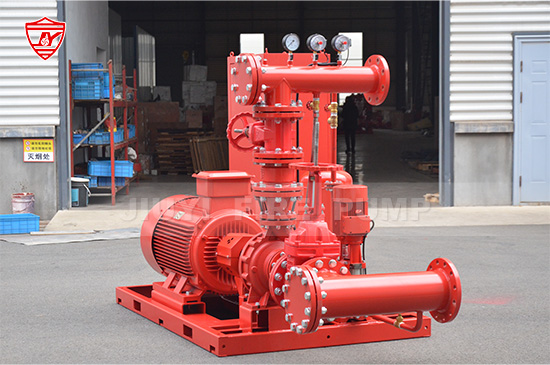
Fire pump long standby performance is a critical but often underestimated aspect of fire protection system reliability. Because fire pumps operate infrequently, their true performance is defined not by how they run every day, but by how they perform after months or years of inactivity.
Mechanical degradation, electrical risks, environmental exposure, and maintenance practices all influence whether a fire pump will deliver full-rated performance in an emergency. Through proper design, routine testing, disciplined maintenance, and quality manufacturing, the risks associated with long standby periods can be effectively controlled.
For fire safety professionals and facility owners, understanding and managing standby performance is not optional. It is a fundamental requirement for ensuring that when a fire emergency occurs, the fire pump system responds instantly, reliably, and at full capacity.