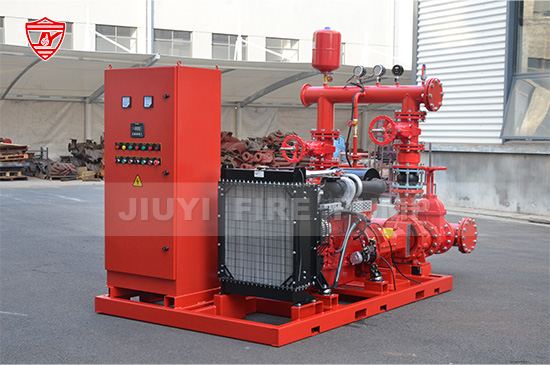
Selecting the right diesel fire pump is one of the most important decisions in designing an effective fire protection system. Whether you are protecting a commercial building, industrial facility, warehouse, power plant, petrochemical site, or municipal infrastructure, the fire pump serves as the heart of the firefighting water supply system.
A properly selected diesel fire pump ensures reliable water delivery during emergencies, especially when electrical power is unavailable. However, choosing the wrong pump can result in inadequate fire protection, costly modifications, compliance issues, and increased maintenance expenses.
This guide explains the key factors to consider when selecting a diesel fire pump for your project, helping engineers, contractors, consultants, and facility owners make informed decisions.
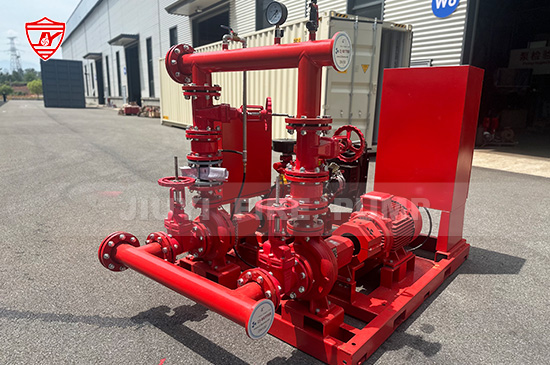
A diesel fire pump is designed to provide water flow and pressure to fire protection systems when the available water supply pressure is insufficient. Unlike electric fire pumps, diesel fire pumps are powered by diesel engines, making them independent of the facility's electrical system.
This independence is particularly valuable during emergencies when electrical power may be interrupted by fire, natural disasters, or utility failures.
Diesel fire pumps are commonly used in:
Because diesel fire pumps often serve as the last line of defense during a fire emergency, reliability and compliance are critical considerations.
Before selecting a diesel fire pump, it is essential to determine the hydraulic requirements of the fire protection system.
The two primary parameters are:
Flow rate refers to the amount of water the pump must deliver, typically measured in gallons per minute (GPM) or cubic meters per hour (m³/h).
The required flow depends on factors such as:
Common fire pump capacities include:
Selecting a pump with insufficient flow can compromise fire suppression effectiveness.
Pressure is typically measured in PSI, bar, or meters of head.
The required pressure depends on:
A detailed hydraulic calculation should be performed to determine the required pump pressure.
The fire pump must deliver the necessary flow and pressure simultaneously to meet the most demanding fire scenario.
Fire pumps must comply with recognized fire protection standards and local regulations.
The most widely accepted standard is NFPA 20, which governs the installation of stationary fire pumps for fire protection.
Key considerations include:
For international projects, certifications may also be required, including:
Many consultants and project owners specify UL Listed and FM Approved fire pump packages to ensure reliability and compliance.
Always confirm project specifications before selecting equipment.
Several fire pump configurations are available, and the best choice depends on site conditions and system requirements.
Horizontal split case pumps are among the most commonly used fire pumps worldwide.
Advantages include:
These pumps are often selected for commercial buildings, industrial facilities, and municipal projects.
End suction pumps are compact and cost-effective.
Advantages include:
They are typically used in smaller fire protection systems.
Vertical turbine fire pumps are used when the water source is below ground level.
Typical applications include:
These pumps are often required for industrial facilities and large infrastructure projects.
Vertical inline pumps are ideal when installation space is limited.
Benefits include:
They are frequently used in commercial buildings and retrofit projects.
The diesel engine is just as important as the pump itself.
A properly sized engine ensures reliable operation under all fire conditions.
When selecting a diesel engine, consider:
The engine must provide sufficient horsepower to drive the pump throughout its operating range.
Fire pump engines are typically selected with additional power margins to account for varying operating conditions.
For certified fire pump packages, engines should meet applicable standards and approvals.
Look for engines specifically designed for fire protection service rather than general industrial use.
Although fire pumps operate primarily during testing and emergencies, fuel efficiency can reduce operational costs over the equipment's lifetime.
Choose engines from reputable manufacturers with proven performance in fire protection applications.
Reliability is essential because fire pumps may remain idle for extended periods and must start immediately when needed.
Diesel fire pumps require dedicated fuel storage.
NFPA 20 specifies minimum fuel supply requirements based on engine power and expected operating duration.
The fuel tank should provide sufficient fuel for extended operation during emergencies.
Important factors include:
Proper fuel management helps ensure dependable pump performance when needed most.
Environmental and installation conditions significantly influence fire pump selection.
Extreme temperatures can affect engine starting performance and fuel quality.
Cold environments may require:
Hot climates may require additional ventilation and cooling measures.
High-altitude locations reduce engine performance due to lower air density.
Engine derating may be necessary for projects located at elevated elevations.
Coastal and industrial environments may expose equipment to corrosive conditions.
Protective coatings and corrosion-resistant materials can help extend equipment life.
The available installation space may determine the most suitable pump configuration.
Engine dimensions, maintenance access, piping arrangements, and future service requirements should all be considered during planning.
The controller serves as the operational center of the diesel fire pump system.
A quality diesel fire pump controller provides:
Modern controllers also offer advanced monitoring capabilities that improve maintenance efficiency and operational reliability.
Ensure the controller complies with project specifications and applicable standards.
A fire pump must remain operational throughout its service life.
Ease of maintenance should be an important selection criterion.
Key maintenance considerations include:
Selecting equipment from an experienced manufacturer can simplify long-term maintenance and reduce downtime.
Not all fire pump manufacturers offer the same level of expertise and support.
When evaluating suppliers, consider:
An experienced manufacturer can provide valuable guidance during system design, equipment selection, installation, and commissioning.
Factory acceptance testing is another important factor. Thorough testing before shipment helps verify system performance and reduce project risks.
Several common mistakes can lead to costly issues later.
The lowest-cost pump may not provide the reliability, certification, or support required for critical fire protection applications.
Facilities often expand over time.
Selecting a fire pump with some capacity flexibility may accommodate future growth without requiring system replacement.
Water source characteristics directly affect pump performance.
Always verify:
Equipment that is difficult to access may increase maintenance costs and reduce long-term reliability.
Failure to comply with project specifications or local regulations can result in delays, additional costs, and approval issues.
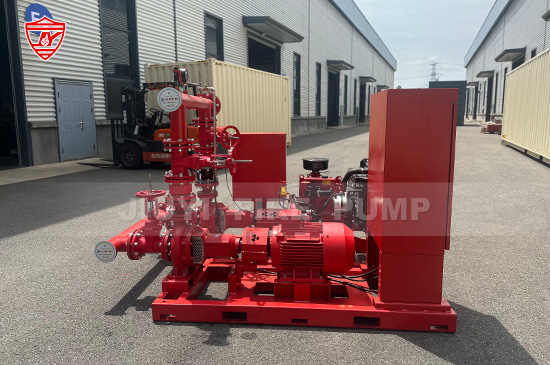
Choosing the right diesel fire pump involves much more than selecting a pump with a specific flow rate and pressure. A successful selection requires careful consideration of fire protection requirements, applicable standards, pump type, diesel engine performance, site conditions, maintenance needs, and manufacturer expertise.
A properly designed diesel fire pump system provides dependable protection when it matters most, ensuring that sufficient water is available to control or extinguish a fire even during power outages. By understanding the key selection factors and working with an experienced fire pump manufacturer, project owners and engineers can achieve a reliable, compliant, and long-lasting fire protection solution.
.jpg)