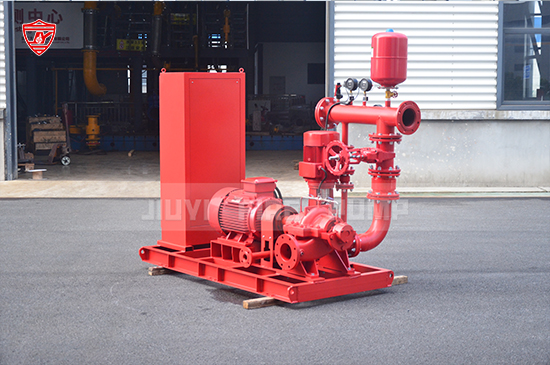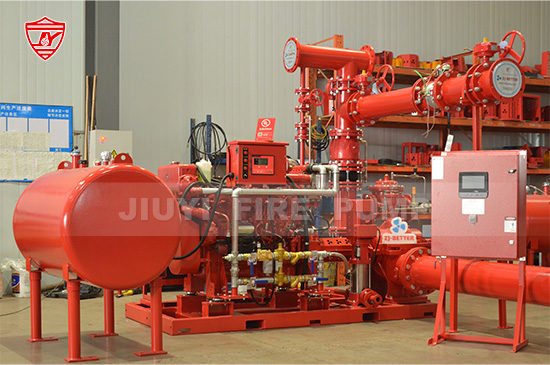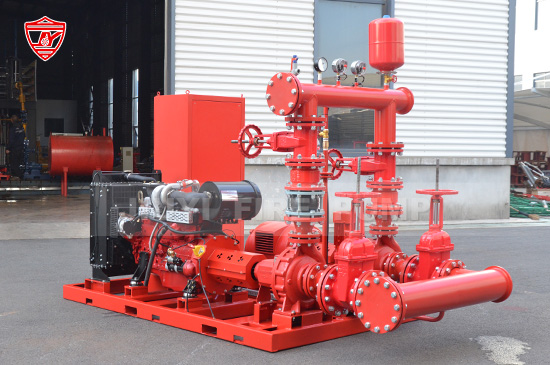
Corrosion is one of the most common yet overlooked threats to the reliability and lifespan of fire pump systems. Whether installed in commercial buildings, industrial facilities, warehouses, power plants, or municipal infrastructure, fire pumps must remain fully operational at all times. Even minor corrosion can gradually weaken critical components, reduce efficiency, increase maintenance costs, and potentially compromise fire protection performance during an emergency.
Preventing corrosion is not simply a matter of extending equipment life; it is an essential aspect of maintaining a dependable fire protection system. Understanding the causes of corrosion and implementing effective prevention measures can significantly improve system reliability while reducing long-term operational expenses.
This article explores the major causes of corrosion in fire pump systems and outlines practical strategies to prevent it.
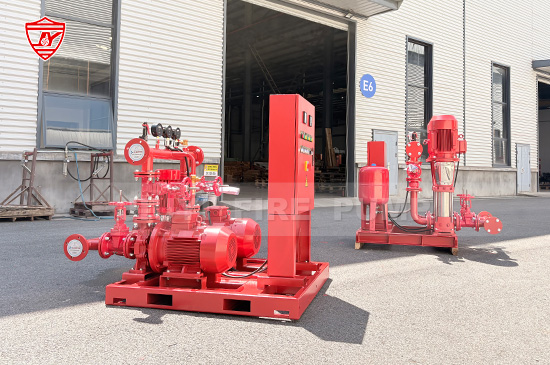
Corrosion is the gradual deterioration of metal caused by chemical or electrochemical reactions with the surrounding environment. In fire pump systems, corrosion typically affects:
Because fire pumps are often connected to water sources and operate in varying environmental conditions, they are continuously exposed to factors that promote corrosion.
Corrosion may occur internally due to water quality issues or externally because of moisture, humidity, chemicals, or atmospheric contaminants.
Uniform corrosion occurs evenly across a metal surface. It is the most predictable form of corrosion but can still reduce wall thickness over time, weakening pipes and pump components.
Pitting corrosion creates small holes or cavities on metal surfaces. Although localized, it can quickly penetrate materials and cause leaks or component failure.
Galvanic corrosion develops when two dissimilar metals are connected in the presence of an electrolyte such as water. One metal becomes the anode and corrodes faster than normal.
This type of corrosion occurs in confined spaces where moisture becomes trapped. Common locations include flange connections, gasket areas, and threaded joints.
Certain bacteria and microorganisms can accelerate corrosion processes within fire protection piping and water storage systems. MIC is particularly common in stagnant water conditions.
High-velocity water flow can remove protective oxide layers from metal surfaces, exposing fresh metal to corrosion. This problem often occurs near elbows, valves, and pump impellers.
Water quality has a direct impact on corrosion rates. High levels of dissolved oxygen, chlorides, sulfates, and other contaminants can significantly increase corrosion activity.
Water sources commonly used for fire protection systems include:
Each source presents unique corrosion challenges that require proper evaluation.
Fire pump systems often remain idle for extended periods. Water that sits stagnant inside pipes, tanks, and pump casings can create favorable conditions for corrosion and bacterial growth.
Pump rooms with inadequate ventilation can experience high humidity levels. Moisture accumulation on external metal surfaces promotes atmospheric corrosion.
Frequent changes in temperature can cause condensation, creating moisture on equipment surfaces. This moisture accelerates external corrosion.
Using dissimilar metals without proper isolation can create galvanic corrosion. Common examples include connecting stainless steel components directly to carbon steel piping.
Insufficient inspection and maintenance allow minor corrosion problems to develop into major system failures.
One of the most effective ways to prevent corrosion is choosing appropriate materials during system design and installation.
Stainless steel provides excellent corrosion resistance and is commonly used for:
Higher-grade stainless steels offer superior protection in aggressive environments.
Bronze impellers and fittings are widely used due to their corrosion resistance and durability in water applications.
Epoxy coatings and other protective finishes create a barrier between metal surfaces and corrosive environments.
Properly applied coatings can significantly extend the service life of:
Bolts, nuts, and other fastening components should be selected carefully to prevent localized corrosion around joints and connections.
Water quality management is a critical component of corrosion prevention.
Regular testing should include:
Maintaining balanced water chemistry reduces the likelihood of internal corrosion.
In facilities with challenging water conditions, water treatment solutions may be necessary to control corrosion and bacterial growth.
Treatment options can include:
Periodic flushing removes sediment, debris, and contaminants that may contribute to corrosion.
Regular flushing is especially important in low-flow sections of fire protection systems.
Water stagnation creates ideal conditions for corrosion and microbial growth.
Routine fire pump testing ensures water movement throughout the system and helps prevent stagnant conditions.
Weekly or monthly testing schedules, depending on system requirements, can improve overall system health.
In some installations, recirculation systems may be used to maintain water movement and reduce stagnation.
Fire water storage tanks should be inspected and cleaned regularly to remove sediment and prevent biological contamination.
Galvanic corrosion can cause rapid deterioration when dissimilar metals are connected.
Whenever possible, select metals with similar electrochemical properties.
Dielectric fittings isolate dissimilar metals and interrupt the electrical pathway required for galvanic corrosion.
Coatings can provide additional protection where different metals must be connected.
The environment surrounding a fire pump system can significantly influence corrosion rates.
Adequate ventilation reduces humidity and minimizes condensation.
Mechanical ventilation systems may be necessary in enclosed pump rooms.
Maintaining stable temperatures helps reduce condensation on equipment surfaces.
Fire pump equipment should be protected from exposure to:
Additional protective measures may be necessary in chemical plants, coastal facilities, and industrial environments.
Protective coatings serve as the first line of defense against corrosion.
Coatings should be inspected for:
Prompt repairs prevent corrosion from spreading beneath damaged areas.
Protective coatings degrade over time and require periodic renewal to maintain effectiveness.
Coating systems should be selected and applied according to manufacturer specifications to achieve optimal performance.
Routine inspections allow corrosion issues to be identified before they become severe.
Inspect visible components for:
Where practical, inspect internal surfaces using:
Maintain detailed records of inspection findings, maintenance activities, and corrective actions.
Historical data helps identify trends and predict future maintenance needs.
MIC can be particularly damaging because it often progresses unnoticed.
Regular testing for bacterial contamination can help detect MIC before significant damage occurs.
Moving water discourages bacterial growth and reduces the risk of MIC.
Periodic cleaning removes biofilms and organic material that support bacterial colonies.
A structured maintenance program is one of the most effective tools for corrosion prevention.
Key elements should include:
Preventive maintenance reduces unexpected failures and helps maintain compliance with fire protection standards.
Certain environments require additional corrosion protection measures.
Salt exposure accelerates corrosion dramatically. Facilities near oceans should use corrosion-resistant materials and enhanced coating systems.
Chemical plants and manufacturing facilities may expose equipment to aggressive substances that increase corrosion risk.
Buried piping systems may require cathodic protection and specialized coatings to prevent soil-related corrosion.
Investing in corrosion prevention delivers substantial benefits, including:
For facility owners and fire protection professionals, proactive corrosion control is significantly more cost-effective than repairing or replacing damaged equipment after corrosion has progressed.
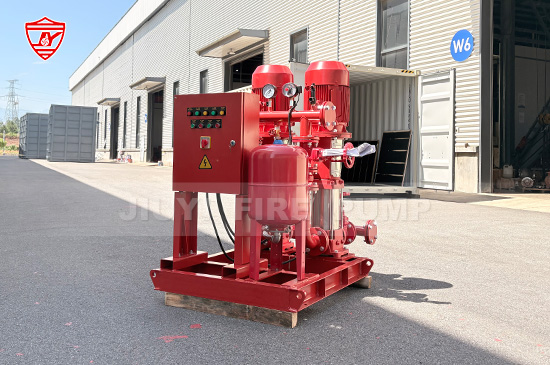
Corrosion remains one of the leading causes of deterioration in fire pump systems, but it is also one of the most manageable risks when addressed proactively. Through proper material selection, water quality management, regular inspections, environmental control, protective coatings, and preventive maintenance, organizations can dramatically reduce corrosion-related problems.
A well-maintained fire pump system is essential for ensuring dependable fire protection performance when it is needed most. By implementing a comprehensive corrosion prevention strategy, facility owners can maximize equipment life, improve operational reliability, and protect both people and property from fire-related emergencies.