Energy infrastructure is the backbone of modern society. From power plants and substations to oil refineries and renewable energy facilities, these systems ensure continuous energy supply for industries, cities, and households. However, they also represent some of the highest-risk environments when it comes to fire hazards. The combination of flammable materials, high temperatures, pressurized systems, and complex electrical networks makes fire protection not just important, but absolutely critical.
A single fire incident in energy infrastructure can lead to catastrophic consequences, including loss of life, environmental damage, prolonged downtime, and massive financial losses. This is why robust fire protection systems, particularly well-designed fire pump systems, are essential for safeguarding operations and ensuring business continuity.
Energy facilities operate under conditions that significantly increase fire risk. In oil and gas installations, flammable liquids and gases are constantly processed and stored. Even a minor leak can escalate into a major fire or explosion if not controlled immediately.
Power plants, especially thermal and nuclear facilities, involve high-temperature processes and large volumes of combustible materials such as fuel oil, coal, or insulation materials. Electrical faults, overheating equipment, or mechanical failures can easily trigger fires.
Renewable energy facilities, while often perceived as safer, also present risks. Solar farms include extensive electrical systems, and wind turbines contain lubricants and hydraulic fluids that can ignite under certain conditions.
Because of these diverse and high-risk conditions, energy infrastructure requires specialized fire protection systems that can respond rapidly and effectively.
Fire incidents in energy infrastructure are rarely isolated events. They tend to have a cascading effect, disrupting entire networks and supply chains.
Operational downtime is one of the most immediate consequences. A fire in a power plant or refinery can halt production for days or even months, leading to energy shortages and economic losses. In critical industries, even a few hours of downtime can have significant financial implications.
Safety is another major concern. Workers in energy facilities are often exposed to hazardous conditions, and a fire can quickly escalate into a life-threatening situation. Effective fire protection systems are essential to protect personnel and provide safe evacuation routes.
Environmental impact is also a critical factor. Fires in oil and gas facilities can release toxic substances into the air, soil, and water, causing long-term ecological damage and regulatory consequences.
Fire protection systems serve as the first line of defense against fire incidents. Their primary role is to detect, control, and suppress fires before they spread.
A comprehensive fire protection system typically includes detection systems, alarm systems, suppression systems, and water supply systems. Among these, fire pump systems play a central role by ensuring a reliable and adequate water supply under high pressure.
In energy infrastructure, the demand for water flow and pressure is significantly higher than in standard commercial applications. Fire pumps must be capable of delivering large volumes of water quickly and consistently, even under extreme conditions.
Fire pump systems are the backbone of any water-based fire protection system. Without them, sprinklers, hydrants, and deluge systems cannot function effectively.
In energy facilities, fire pump systems must meet stringent performance requirements. They are designed to operate under emergency conditions, often when other systems have failed. This makes reliability and durability critical.
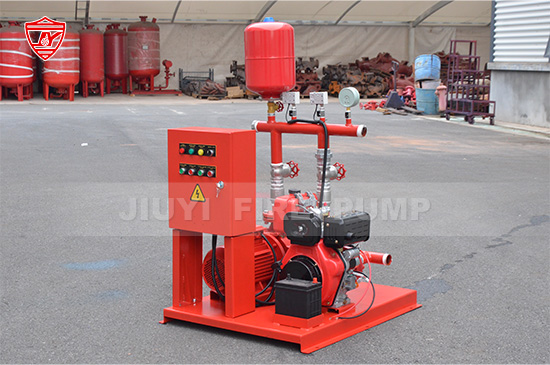
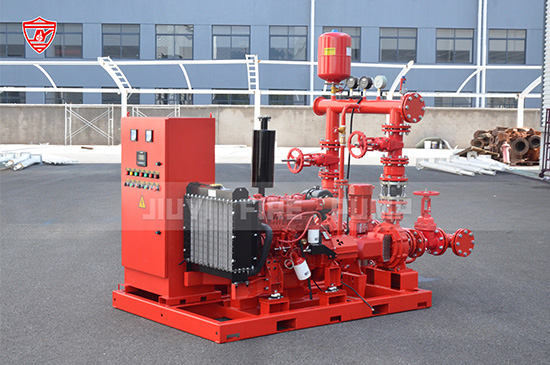
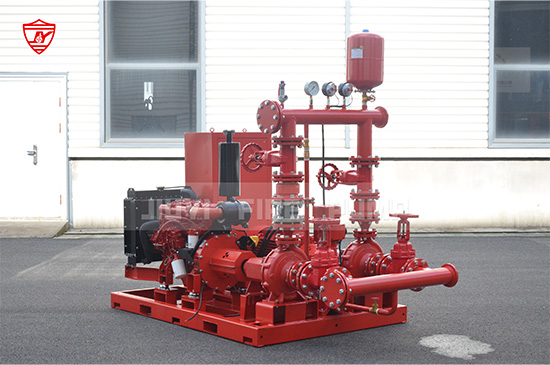
Diesel fire pumps are commonly used in energy infrastructure because they can operate independently of the electrical grid. In the event of a power failure, diesel-driven pumps ensure that fire protection systems remain operational.
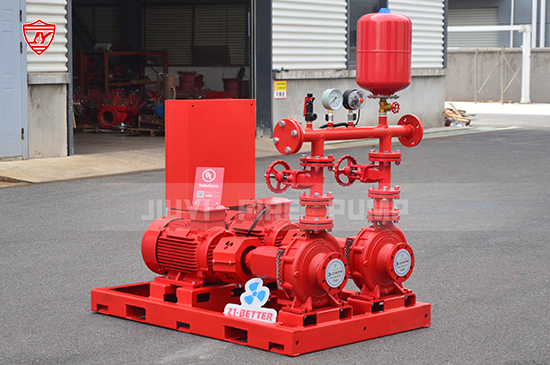
Electric fire pumps, on the other hand, are highly efficient and require less maintenance. They are often used in facilities with stable and reliable power supplies. In many cases, a combination of diesel and electric fire pumps is used to provide redundancy.
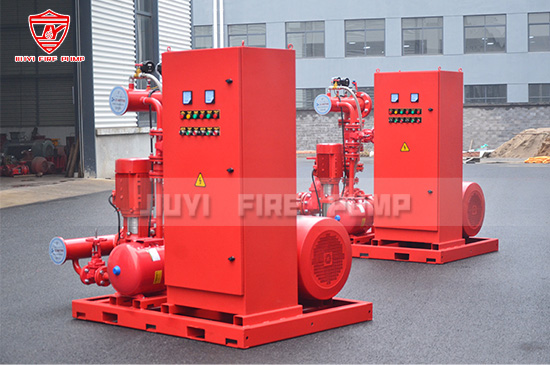
Jockey pumps also play an important role by maintaining system pressure and preventing unnecessary operation of the main fire pumps. This helps extend the lifespan of the system and ensures readiness at all times.
Fire protection systems in energy infrastructure must comply with strict international standards and regulations. These standards ensure that systems are designed, installed, and maintained to perform effectively during emergencies.
Standards such as NFPA 20 provide guidelines for the installation of fire pump systems, including requirements for performance, testing, and maintenance. Compliance with such standards is essential not only for safety but also for regulatory approval and insurance purposes.
In addition to international standards, local regulations may impose additional requirements based on specific risks and environmental conditions. Manufacturers and system designers must take these factors into account to ensure full compliance.
Designing fire protection systems for energy infrastructure requires a thorough understanding of the facility’s specific risks and operational requirements.
The process begins with a detailed risk assessment. This involves identifying potential fire hazards, evaluating the likelihood of incidents, and determining the potential impact. Based on this assessment, appropriate fire protection strategies are developed.
System design must consider factors such as water supply availability, required flow rates, pressure levels, and system redundancy. In high-risk environments, redundancy is particularly important to ensure that the system remains operational even if one component fails.
Material selection is another critical aspect. Components must be able to withstand harsh environmental conditions, including high temperatures, corrosive substances, and mechanical stress.
Even the most advanced fire protection system is only effective if it is properly maintained. Regular inspection, testing, and maintenance are essential to ensure that all components function as intended.
Fire pump systems, in particular, require routine testing to verify performance. This includes checking flow rates, pressure levels, and operational reliability. Any issues must be addressed promptly to prevent system failure during an emergency.
Maintenance also involves ensuring that backup systems, such as diesel engines and fuel supplies, are always ready for operation. Neglecting maintenance can render even the best-designed system ineffective.
As the energy sector evolves, new challenges in fire protection are emerging. Renewable energy facilities, energy storage systems, and hydrogen infrastructure introduce new types of fire risks.
Battery energy storage systems, for example, are susceptible to thermal runaway, which can lead to fires that are difficult to extinguish. Hydrogen facilities involve highly flammable gas that requires specialized detection and suppression systems.
Fire protection systems must adapt to these new challenges by incorporating advanced technologies and innovative design approaches. This includes the use of specialized suppression agents, enhanced detection systems, and integrated monitoring solutions.
Investing in fire protection systems is not just a safety measure; it is also a strategic business decision.
The cost of implementing a comprehensive fire protection system is significantly lower than the potential losses associated with a major fire incident. These losses can include equipment damage, production downtime, legal liabilities, and reputational damage.
Insurance companies also recognize the importance of fire protection systems. Facilities with robust fire protection measures often benefit from lower insurance premiums and better coverage terms.
Moreover, demonstrating a commitment to safety enhances a company’s reputation and builds trust with stakeholders, including customers, investors, and regulatory authorities.
Selecting the right fire pump manufacturer is a critical step in ensuring the effectiveness of a fire protection system.
Manufacturers with extensive experience in the fire safety field understand the unique challenges of energy infrastructure and can provide tailored solutions. They offer a range of products, including electric fire pumps, diesel fire pumps, and complete fire pump packages designed to meet specific requirements.
Quality, reliability, and compliance with international standards should be key considerations when choosing a manufacturer. In addition, after-sales support, technical expertise, and customization capabilities are important factors that can significantly impact the success of a project.
Fire protection systems are an indispensable component of energy infrastructure. Given the high risks and potential consequences of fire incidents, these systems play a vital role in ensuring safety, reliability, and operational continuity.
Fire pump systems, in particular, are at the heart of effective fire protection. Their ability to deliver high-pressure water under emergency conditions makes them essential for controlling and suppressing fires in complex industrial environments.