Airports are among the most complex and high-risk infrastructures in the world when it comes to fire safety. With massive fuel storage, large passenger volumes, and constant aircraft operations, the potential consequences of a fire incident are significantly higher than in typical commercial or industrial environments. For this reason, airport fire protection systems must be designed to respond rapidly and effectively to worst-case scenarios. One of the most critical components in these systems is the high-capacity fire pump.
High-capacity fire pumps are not just an upgrade in size or power—they are a necessity driven by the unique hazards and operational demands of aviation environments. Understanding why these pumps are essential requires a closer look at airport risks, fire protection requirements, and system performance expectations.
Unlike standard buildings, airports present a combination of fire hazards that are both diverse and severe. Aircraft fuel, primarily aviation turbine fuel, is highly flammable and can ignite quickly under certain conditions. A single aircraft can carry tens of thousands of liters of fuel, creating the potential for large-scale fires.
In addition to aircraft, airports include fuel storage facilities, maintenance hangars, cargo terminals, and passenger terminals. Each of these areas introduces different fire risks. Hangars may contain maintenance equipment and chemicals, while terminals are densely populated with people and electrical systems.
The scale of these risks means that fire incidents in airports can escalate rapidly. A small ignition source can develop into a major fire within minutes if not controlled immediately. This is where high-capacity fire pumps become indispensable.
One of the primary reasons airports require high-capacity fire pumps is the need for rapid delivery of large volumes of water or fire suppression agents. In aviation fire scenarios, speed is critical. The first few minutes of a fire incident often determine whether it can be contained or will spread uncontrollably.
High-capacity fire pumps are designed to deliver large flow rates at consistent pressure, ensuring that firefighting systems—such as hydrants, monitors, and sprinkler systems—operate effectively. In an airport setting, multiple firefighting points may need to be activated simultaneously, including runway hydrants, foam systems, and terminal sprinklers.
Standard fire pumps may not be able to meet this demand, especially when multiple systems require water at the same time. High-capacity pumps ensure that there is no drop in pressure or flow, even under peak demand conditions.
Water alone is often insufficient to control aviation fuel fires. Airports rely heavily on foam-based fire suppression systems, which are designed to form a blanket over flammable liquids, cutting off oxygen and preventing re-ignition.
These foam systems require a steady and high-volume water supply to mix with foam concentrate and generate the required foam solution. High-capacity fire pumps play a crucial role in maintaining the flow and pressure needed for effective foam generation.
Without adequate pump capacity, foam systems may fail to perform as intended, reducing their effectiveness in suppressing fuel fires. This can lead to longer response times and increased damage.
Airports cover vast areas, often spanning several square kilometers. Fire protection systems must be able to deliver water across long distances while maintaining adequate pressure at every point in the network.
High-capacity fire pumps are essential for overcoming these challenges. They provide the hydraulic power needed to push water through extensive piping systems, ensuring that even the most remote areas of the airport receive sufficient fire protection.
Additionally, airport fire protection systems are highly complex, integrating multiple subsystems such as hydrants, sprinklers, deluge systems, and monitors. These systems may operate independently or simultaneously, depending on the nature of the emergency.
High-capacity pumps ensure that all these systems can function effectively without compromising performance.
Airports must comply with strict fire safety regulations and standards, which often require high-capacity fire protection systems. Standards such as NFPA 20 and aviation-specific guidelines define the requirements for fire pump performance, system reliability, and redundancy.
These standards are designed to ensure that fire protection systems can handle the most demanding scenarios. In many cases, this means installing fire pumps with higher capacities than those used in typical commercial buildings.
Compliance is not just about meeting regulatory requirements—it is about ensuring the safety of passengers, staff, and infrastructure. High-capacity fire pumps are a key component in achieving this level of safety.
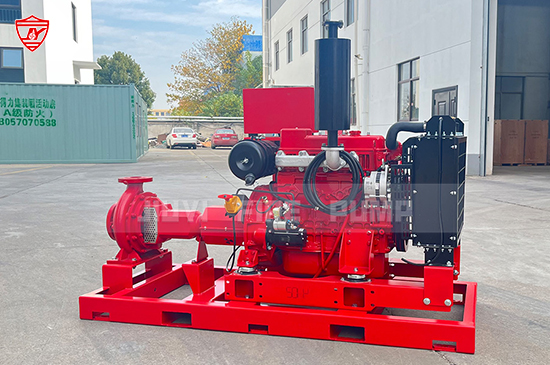
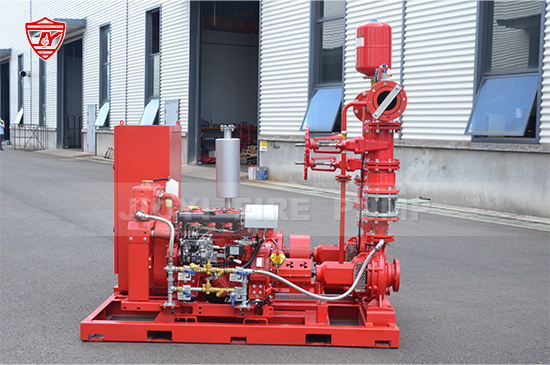
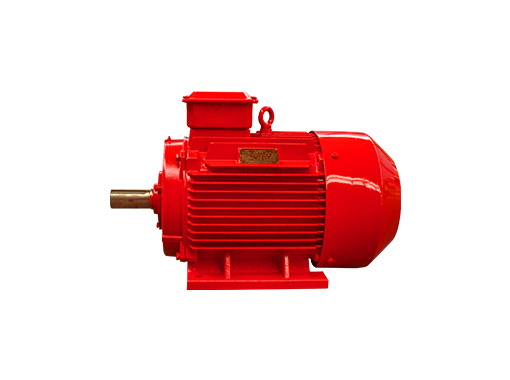
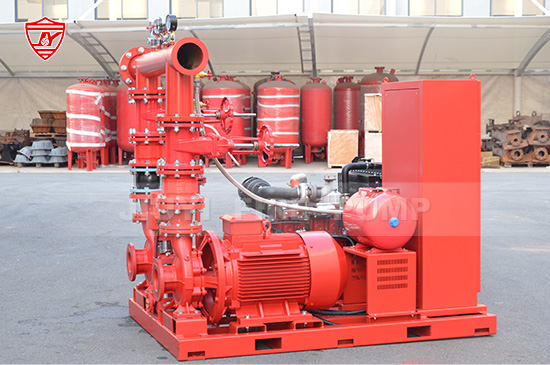
Reliability is critical in airport fire protection systems. Fire pumps must be able to operate under all conditions, including power outages and extreme weather. This is why many airport installations include both electric and diesel-driven fire pumps, providing redundancy in case one system fails.
High-capacity pumps are often part of a larger system that includes backup units, jockey pumps, and advanced control systems. This ensures that the fire protection system is always ready to respond, regardless of the situation.
In an emergency, there is no room for failure. High-capacity fire pumps provide the reliability and performance needed to handle critical incidents.
Airport fire protection systems must be designed with worst-case scenarios in mind. This includes aircraft crashes, large fuel spills, and fires involving multiple structures.
In such scenarios, the demand for water and fire suppression agents can be extremely high. High-capacity fire pumps are capable of meeting this demand, ensuring that firefighting efforts are not limited by insufficient water supply.
Designing for worst-case scenarios also means considering factors such as simultaneous system operation, peak demand, and extended firefighting durations. High-capacity pumps are essential for meeting these requirements.
Modern airports are increasingly adopting advanced fire protection technologies, including automated detection systems, remote monitoring, and intelligent control systems. High-capacity fire pumps are designed to integrate seamlessly with these technologies.
This integration allows for faster response times, improved system coordination, and more efficient use of resources. For example, automated systems can activate fire pumps and direct water flow to specific areas based on real-time data.
High-capacity pumps ensure that these advanced systems have the necessary hydraulic support to function effectively.
While high-capacity fire pumps represent a significant investment, they offer long-term benefits in terms of safety, reliability, and operational efficiency. In the context of an airport, the cost of inadequate fire protection can be far greater than the investment in robust systems.
Fire incidents can lead to operational disruptions, financial losses, and reputational damage. High-capacity fire pumps help mitigate these risks by ensuring that fire protection systems perform as expected.
Additionally, well-designed fire pump systems can reduce maintenance costs and improve overall system efficiency, providing further economic benefits.
Every airport is unique, with different layouts, risk profiles, and operational requirements. High-capacity fire pumps can be customized to meet these specific needs.
This includes selecting the appropriate pump type, capacity, and configuration, as well as integrating with existing fire protection systems. Manufacturers play a crucial role in providing tailored solutions that meet both regulatory requirements and operational demands.
Customization ensures that the fire protection system is optimized for the specific environment, providing the highest level of safety and performance.
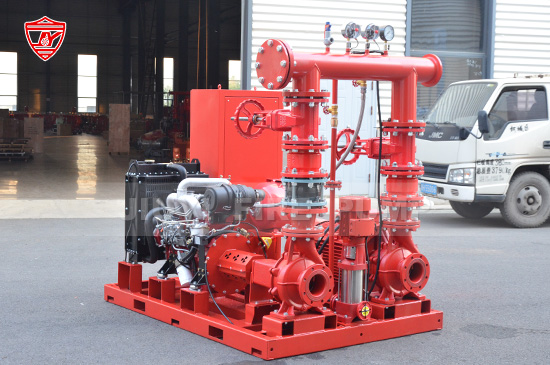
High-capacity fire pumps are a fundamental component of airport fire protection systems. Their ability to deliver large volumes of water at consistent pressure is essential for managing the unique and demanding fire risks associated with aviation environments.
From supporting foam-based suppression systems to ensuring compliance with safety standards, these pumps play a critical role in protecting lives, infrastructure, and operations. As airports continue to grow and evolve, the importance of high-capacity fire pumps will only increase.
Investing in the right fire pump solutions is not just a technical decision—it is a commitment to safety, reliability, and excellence in fire protection.