How to Commission a Fire Pump System?
news

How to Commission a Fire Pump System?

2026-06-11
Share :

A fire pump system is one of the most critical components in any fire protection infrastructure. Even the highest-quality fire pump equipment cannot deliver reliable performance unless it is properly commissioned before entering service.

Commissioning is the process of verifying that the complete fire pump installation performs according to design requirements, applicable standards, and operational expectations. It ensures that all mechanical, electrical, hydraulic, and control functions operate correctly under actual conditions.

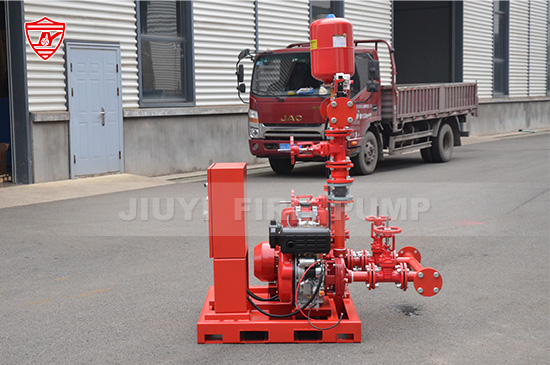
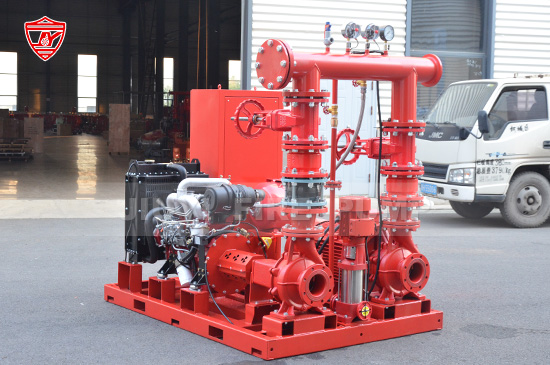
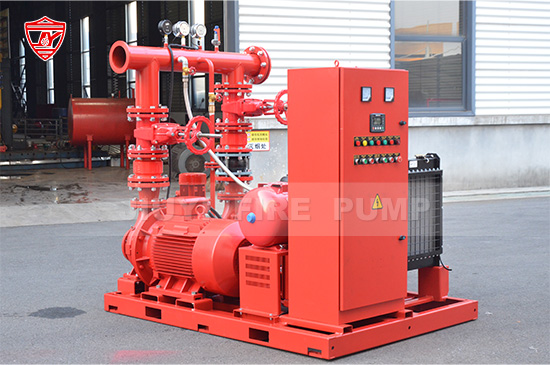
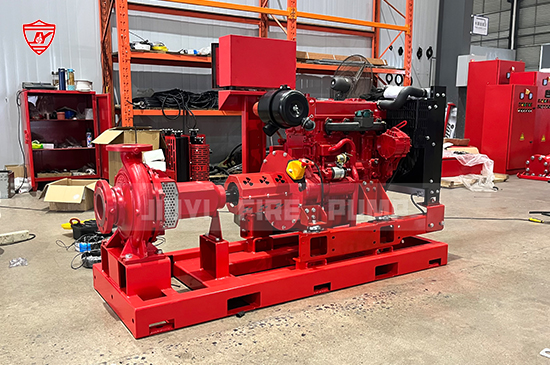
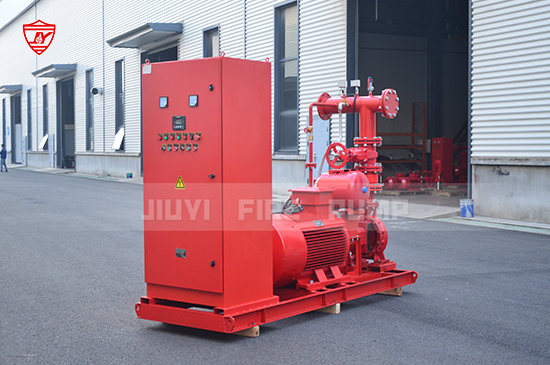
Whether the project involves an electric fire pump, diesel engine fire pump, vertical turbine fire pump, or a complete EDJ fire pump package, a structured commissioning procedure reduces risk, prevents costly failures, and ensures readiness during emergencies.

This guide explains how to commission a fire pump system step by step.
What Is Fire Pump Commissioning?

Fire pump commissioning is the final verification and testing process performed after installation and before a fire protection system becomes operational.

The purpose of commissioning is to confirm that:

  • The fire pump matches project specifications
  • Installation complies with applicable codes and standards
  • Water supply conditions are adequate
  • Electrical and mechanical systems function properly
  • Control systems respond correctly
  • Pump performance meets required pressure and flow values
  • Emergency operation is verified

Commissioning typically occurs after installation completion and before final acceptance by the owner, consultant, or authority having jurisdiction.

Why Fire Pump Commissioning Matters

A fire pump may remain inactive for months or years before an emergency occurs. Without proper commissioning, hidden issues may go unnoticed until the system is needed most.

Effective commissioning helps:

  • Verify operational reliability
  • Detect installation defects
  • Reduce startup failures
  • Confirm pressure and flow performance
  • Ensure code compliance
  • Minimize future maintenance issues
  • Improve long-term equipment life

Commissioning is not simply turning on the pump—it is a complete validation process.

Step 1: Review Project Documentation

Before powering the system, collect and review all technical documents.

Required documents typically include:

  • Approved fire protection drawings
  • Pump data sheets
  • Hydraulic calculations
  • Equipment manuals
  • Wiring diagrams
  • Control panel documents
  • Factory test reports
  • Inspection records
  • Commissioning checklists

Confirm the following:

  • Pump model and capacity match project requirements
  • Rated flow and pressure values are correct
  • Driver type is accurate
  • Pipe sizes match approved drawings
  • Electrical ratings align with available power

Any discrepancy should be corrected before startup.

Step 2: Perform Visual Installation Inspection

Conduct a complete visual inspection of the installed system.

Inspect major components including:

Fire Pump Assembly

  • Pump securely mounted
  • Correct alignment
  • Proper coupling installation
  • Rotation indicators visible

Piping System

  • Suction pipe properly supported
  • Discharge piping aligned
  • No unnecessary strain on pump
  • Flushing completed

Valves

  • Suction valve open
  • Discharge valve positioned correctly
  • Relief valves installed
  • Test header connections available

Accessories

  • Pressure gauges installed
  • Flow meters calibrated
  • Air release devices installed

Document any findings before proceeding.

Step 3: Verify Water Supply Conditions

A fire pump cannot compensate for inadequate water supply.

Verify:

Water Source Availability

  • Tank level sufficient
  • Reservoir conditions acceptable
  • Municipal supply pressure confirmed

Suction Conditions

  • No air pockets
  • Required net positive suction conditions available
  • Suction line fully flooded

System Pressure

Measure static pressure and compare with design expectations.

Water supply instability may affect test accuracy and system performance.

Step 4: Electrical and Control System Checks

For electric fire pump systems, verify all electrical connections before energizing.

Check:

  • Power supply voltage
  • Phase sequence
  • Grounding
  • Breaker ratings
  • Cable terminations
  • Motor insulation resistance

Inspect controller functions:

  • Automatic start
  • Manual start
  • Alarm signals
  • Emergency stop
  • Pressure sensing

For diesel engine systems, inspect:

  • Battery condition
  • Fuel supply
  • Cooling system
  • Engine oil
  • Exhaust routing
  • Starting sequence

Record all inspection results.

Step 5: Pre-Start Mechanical Inspection

Before startup, rotate the pump manually.

Confirm:

  • Shaft movement is smooth
  • No abnormal resistance
  • Bearings properly lubricated
  • Mechanical seals intact
  • Coupling guards installed

For diesel-driven systems:

  • Verify fuel tank level
  • Confirm coolant level
  • Check engine fluids

Inspect all fasteners and tighten if necessary.

Step 6: Conduct Initial Pump Startup

The initial startup should be controlled and documented.

Recommended startup sequence:

  1. Confirm all personnel are clear
  2. Open suction valves fully
  3. Partially close discharge valve
  4. Start pump
  5. Observe pressure increase
  6. Slowly open discharge valve

Monitor:

  • Pump vibration
  • Noise level
  • Pressure stability
  • Motor current
  • Engine operation
  • Leakage

Allow the pump to stabilize before proceeding.

If unusual conditions appear, stop immediately and investigate.

Step 7: Verify Pump Rotation Direction

Incorrect rotation can damage equipment and reduce output.

Check:

  • Rotation arrow direction
  • Pressure response
  • Flow behavior

For electric systems:

Momentarily energize the motor and confirm direction.

If rotation is incorrect:

  • Disconnect power
  • Reverse phases according to electrical procedures
  • Retest

Diesel systems typically rotate in a fixed direction but should still be verified.

Step 8: Perform Pressure and Flow Testing

Performance testing is the most important commissioning activity.

Test points generally include:

Churn Test

Operate the pump with no flow.

Verify:

  • Shutoff pressure
  • Stable operation
  • No overheating

Rated Flow Test

Operate at design flow.

Verify:

  • Required pressure achieved
  • Motor load acceptable
  • Stable performance

Peak Demand Test

Test at approximately 150% of rated capacity where required.

Verify:

  • Pressure remains within allowable range
  • System remains stable

Record:

  • Flow rate
  • Discharge pressure
  • Suction pressure
  • Voltage
  • Current
  • RPM
  • Water source conditions

Compare measured performance with pump curves.

Step 9: Test Automatic Operation

Fire pump systems must respond automatically during emergencies.

Conduct automatic operation tests.

Verify:

Pressure Drop Start

  • Simulate pressure decrease
  • Confirm automatic start

Controller Functions

  • Alarm activation
  • Status indicators
  • Transfer sequence

Diesel System Verification

  • Automatic crank
  • Engine startup timing
  • Fault alarms

Backup Functions

  • Secondary power verification
  • Alternate starting methods

Document all responses.

Step 10: Verify System Integration

Fire pumps rarely operate independently.

Commission related equipment including:

  • Fire alarm system
  • Pressure maintenance system
  • Jockey pump
  • Monitoring systems
  • Building management interfaces

Confirm communication between devices.

Typical checks:

  • Start signals
  • Alarm outputs
  • Remote monitoring
  • Event logging

Integrated operation should match project requirements.

Step 11: Conduct Acceptance Testing

Acceptance testing demonstrates readiness for handover.

Participants may include:

  • Owner representatives
  • Consultants
  • Contractors
  • Fire authorities
  • Commissioning engineers

Typical acceptance activities:

  • Witnessed startup
  • Flow testing
  • Alarm testing
  • Documentation review
  • Operator training

Successful completion usually results in system approval.

Step 12: Complete Documentation and Handover

Commissioning is incomplete without records.

Prepare documentation including:

  • Commissioning reports
  • Startup records
  • Test data sheets
  • Calibration certificates
  • Maintenance instructions
  • Equipment manuals
  • Warranty documents

Archive records for future maintenance and inspections.

Proper documentation supports long-term reliability.

Common Fire Pump Commissioning Mistakes to Avoid

Even experienced teams encounter avoidable issues.

Common mistakes include:

Skipping Water Supply Verification

Performance testing becomes unreliable.

Incorrect Motor Rotation

Can severely affect output.

Ignoring Alignment

Leads to vibration and premature wear.

Incomplete Alarm Testing

Reduces emergency readiness.

Missing Baseline Data

Complicates future troubleshooting.

Developing a standard commissioning checklist significantly reduces errors.

Fire Pump Commissioning Checklist

Before project completion, confirm:

  • Installation inspected
  • Documentation reviewed
  • Water supply verified
  • Electrical systems tested
  • Pump rotation confirmed
  • Startup completed
  • Performance validated
  • Automatic controls tested
  • Integrated systems verified
  • Acceptance completed
  • Reports issued

A structured checklist improves consistency across projects.
Final Thoughts

Commissioning a fire pump system is the final and one of the most important stages in delivering reliable fire protection.

A successful commissioning process verifies that the installed system performs exactly as intended under real operating conditions. From installation review and startup to performance testing and acceptance, every step contributes to safety, compliance, and long-term operational confidence.

Manufacturers, contractors, and facility owners should treat commissioning as a critical engineering process—not a simple startup activity.
Get in touch with us
Rellene Su Consulta Y Nos Pondremos En Contacto Con Usted Las 24 Horas.
X
Get in touch with us
For Jiuyi Fire Technology Co., Ltd future focus on oversea market product, like the EDJ fire pump set, EJ, DJ, EEJ and so on, also include the vertica