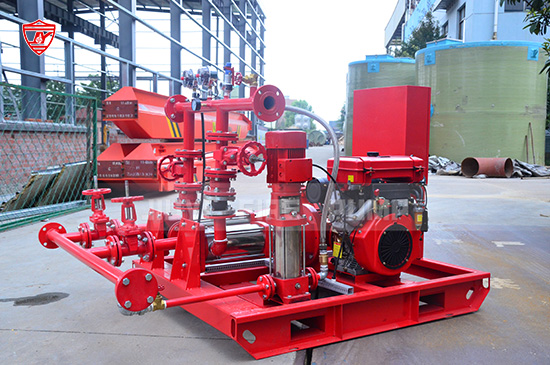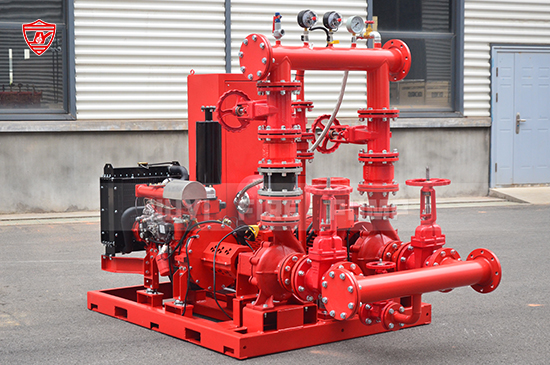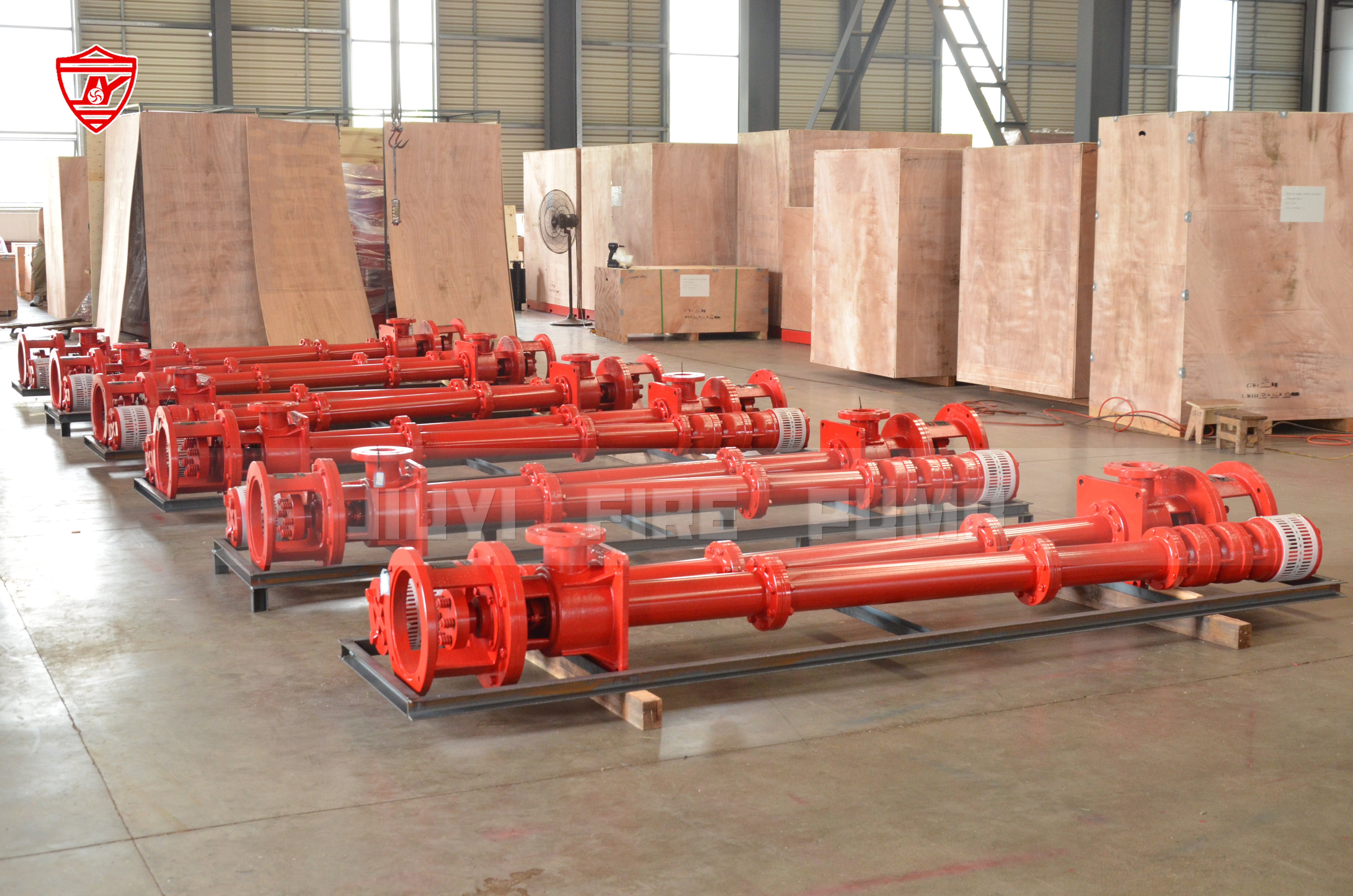
Selecting the right fire pump is one of the most critical decisions in any fire protection project. Whether you are designing a commercial building, industrial facility, warehouse, data center, residential complex, or municipal infrastructure project, the performance of the fire pump directly affects system reliability during emergencies.
A fire pump is not simply a piece of equipment added to a fire protection system. It is the heart of the firefighting water supply, delivering the required pressure and flow when the available water source cannot meet system demand.
Choosing the wrong fire pump may result in insufficient water pressure, excessive operating costs, compliance issues, delayed approvals, or costly redesigns.
This guide explains the essential factors to consider when selecting the right fire pump for your project.
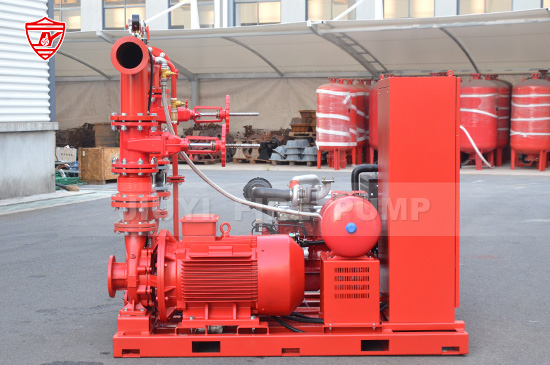
A fire pump is designed to increase water pressure and ensure adequate flow to sprinkler systems, standpipes, hydrants, or other firefighting equipment.
Fire pumps are generally installed when:
Before selecting a fire pump, determine exactly what your fire protection system must achieve.
The first step in selecting a fire pump is identifying project requirements.
Key questions include:
Different occupancy types require different fire protection demands.
Examples:
Higher hazard levels generally require greater water flow and pressure.
Determine whether the project includes:
Each system contributes to overall demand calculations.
Compliance requirements vary by country and project specification.
Common standards include:
The selected pump must satisfy all project and regulatory requirements.
Flow rate is typically measured in:
Required flow is based on hydraulic calculations.
Typical examples:
Small commercial building:
250–500 GPM
Medium commercial facility:
500–1500 GPM
Industrial application:
1500–4000+ GPM
Large infrastructure project:
4000+ GPM
Selecting insufficient flow capacity may compromise fire suppression effectiveness.
Oversizing also creates problems such as:
Always base flow selection on professional hydraulic analysis.
Pressure is equally important as flow.
Fire pump pressure must overcome:
A simplified formula:
Required Pump Pressure =
Highest Demand Pressure + Friction Loss + Elevation Loss
For example:
If a project requires:
Required fire pump pressure:
150 psi
Accurate hydraulic calculations ensure dependable system performance.
Different project conditions require different fire pump configurations.
Best for:
Advantages:
Limitations:
Best for:
Advantages:
Limitations:
Best for:
Advantages:
Limitations:
Best for:
Advantages:
Limitations:
Selecting the correct configuration can significantly improve system efficiency and lifecycle cost.
The fire pump driver powers the system.
Best for:
Advantages:
Considerations:
Best for:
Advantages:
Considerations:
Many large projects combine electric and diesel systems for redundancy.
Water source characteristics directly influence pump selection.
Evaluate:
Measure:
Improper suction conditions may cause:
Early evaluation prevents future operating problems.
Fire protection systems must operate when needed.
Questions to ask:
A complete fire pump system often includes:
Redundancy planning reduces operational risk.
The fire pump controller is essential for system performance.
Key controller functions include:
Typical controller options:
Electric systems:
Diesel systems:
Controller compatibility should be confirmed during project design.
Long-term ownership costs often exceed initial purchase cost.
Review:
A maintainable system improves long-term reliability.
Certification affects approval and project acceptance.
Common certifications include:
Verify:
Documentation should be available before shipment.
Many projects experience delays because of preventable errors.
Common mistakes include:
Lower purchase cost often increases lifecycle expenses.
Design for possible capacity growth.
Excessive pressure can damage systems.
Service space should be planned early.
Non-compliant systems can delay approvals.
Fire pump selection is not simply choosing a catalog model.
An experienced manufacturer should support:
A project-specific approach improves safety, compliance, and operational efficiency.
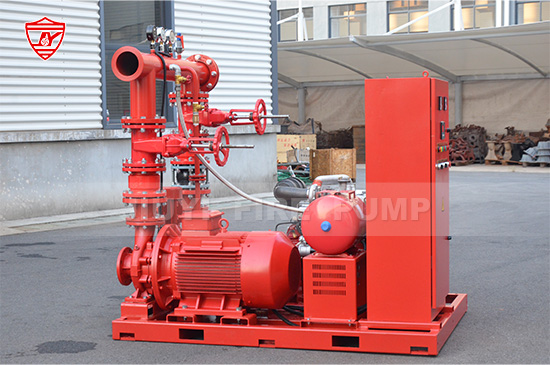
Selecting the right fire pump requires balancing flow, pressure, system configuration, driver type, water conditions, compliance requirements, and long-term reliability.
The best fire pump is not necessarily the largest or most expensive option. It is the solution that delivers the required performance under real emergency conditions while meeting project standards and operational goals.
By evaluating project demands early and working with experienced fire protection professionals, you can build a safer, more efficient, and more reliable fire protection system.