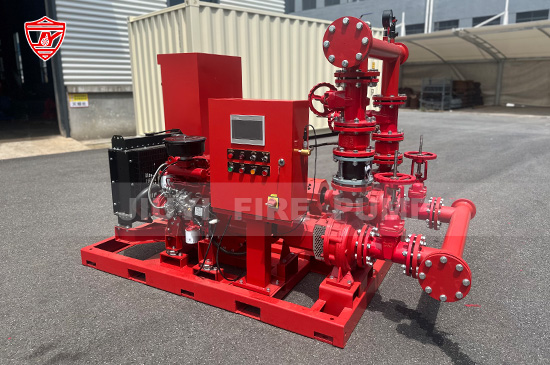
Diesel fire pumps play a critical role in fire protection systems where reliable water supply is essential during emergencies. Unlike electric fire pumps, diesel fire pumps operate independently from electrical infrastructure, making them an important solution for facilities that require uninterrupted fire protection.
However, installing a diesel fire pump is only the beginning. Regular testing is necessary to confirm that the system performs correctly under real fire conditions. A pump that has not been properly tested may fail when needed most, leading to severe property damage, operational disruption, and safety risks.
This guide explains everything you need to know about diesel fire pump testing, including objectives, procedures, testing standards, inspection points, common issues, and best practices.
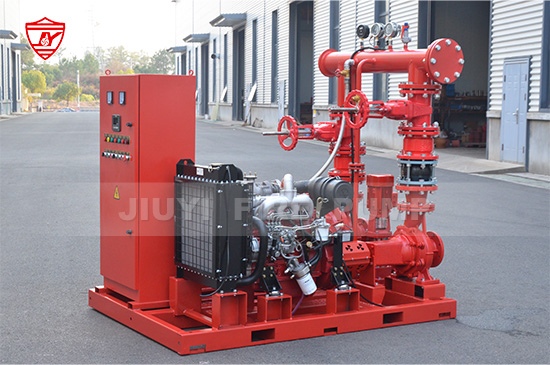
Diesel fire pump testing is the process of evaluating the operational readiness, hydraulic performance, and mechanical condition of a diesel-driven fire pump system.
Testing verifies that the pump can:
Testing applies throughout the equipment lifecycle, including:
The objective is not only compliance but ensuring dependable emergency response.
A diesel fire pump may remain idle for long periods and only operate during emergencies or scheduled inspections. Components that appear functional may deteriorate over time.
Regular testing helps identify:
Early detection reduces downtime and minimizes costly repairs.
For mission-critical facilities such as industrial plants, warehouses, hospitals, data centers, and commercial buildings, fire pump reliability directly affects operational continuity.
Fire pump testing should follow applicable local regulations and internationally recognized standards.
Important standards commonly referenced include:
Standard for the Installation of Stationary Pumps for Fire Protection.
This standard provides requirements for:
Standard for the Inspection, Testing, and Maintenance of Water-Based Fire Protection Systems.
This standard focuses on:
UL testing confirms that equipment meets recognized safety and performance criteria.
Always verify local codes because requirements vary by country and project specifications.
Understanding different testing stages helps ensure complete system verification.
Factory testing occurs before shipment.
Typical checks include:
Factory acceptance testing ensures equipment leaves production in operating condition.
Once installed, on-site testing confirms the system performs under actual project conditions.
SAT typically includes:
Routine weekly testing confirms operational readiness.
Typical activities:
Testing duration depends on applicable standards.
Annual testing measures actual hydraulic performance.
Common test points:
Data collected:
Annual testing helps identify performance degradation.
A structured process improves testing accuracy and repeatability.
Before startup, inspect:
Document findings.
Confirm:
Insufficient supply may distort test results.
Test both:
Record:
The engine should start smoothly and reach operating speed.
Measure:
Compare results with design curves.
Track:
Abnormal values indicate possible maintenance requirements.
After testing:
Maintain historical records for trend analysis.
Reliable testing requires accurate measurement.
Flow should align with design requirements.
Insufficient flow may indicate:
Pressure fluctuations may suggest:
Engine speed directly affects hydraulic output.
Monitor:
Excessive heat indicates inefficiency.
Unexpected fuel usage may reveal engine problems.
Testing frequently uncovers hidden issues.
Possible causes:
Potential reasons:
Possible causes:
Contributors include:
Investigate immediately rather than bypassing alarms.
Organizations that maintain strong testing programs generally follow these practices.
Consistent procedures reduce human error.
Personnel should understand:
Track:
Trend analysis supports predictive maintenance.
Pressure gauges and flow meters should be verified periodically.
Where possible, conduct performance testing near actual operating requirements.
Use this quick checklist before every major test:
Mechanical:
Electrical:
Hydraulic:
Operational:
Testing frequency depends on standards and project requirements.
Typical schedules include:
Weekly:
Monthly:
Annually:
After Maintenance:
After Major Repairs:
Always confirm local requirements and project specifications.
Testing quality starts with equipment design and manufacturing capability.
When selecting a manufacturer, evaluate:
Manufacturers with complete pump and diesel engine testing systems can provide stronger confidence during project delivery and long-term operation.
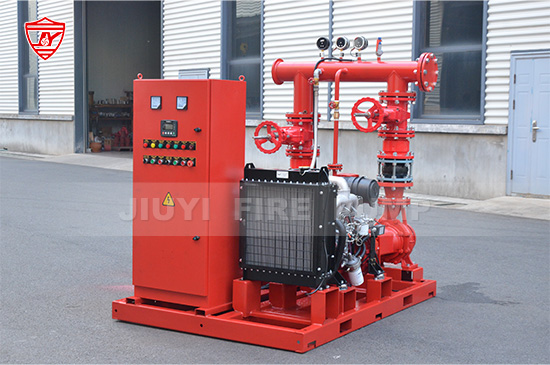
Diesel fire pump testing is a fundamental part of maintaining a dependable fire protection system. Proper testing verifies that pumps start correctly, deliver required performance, and remain ready for emergency conditions.
From factory acceptance to annual flow testing, every inspection contributes to system reliability and compliance. Establishing a structured testing program, maintaining records, and partnering with experienced fire pump manufacturers helps ensure long-term performance and protection.
.jpg)