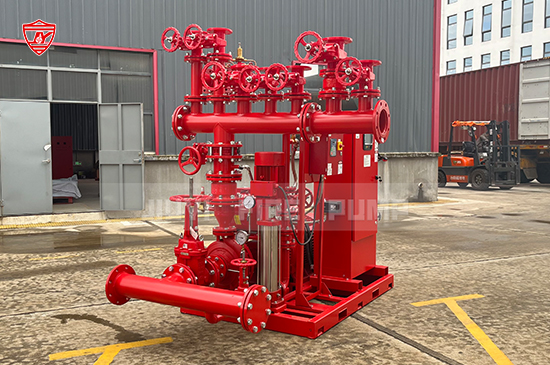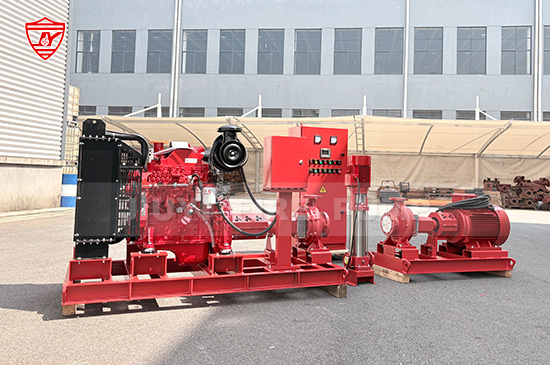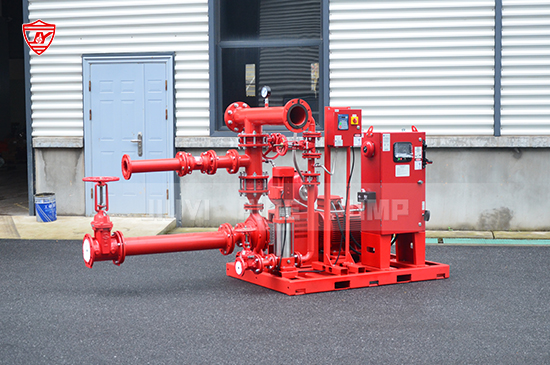
Fire pumps are among the most critical components in any fire protection system. Whether installed in industrial facilities, commercial buildings, warehouses, power plants, airports, or municipal infrastructure, a fire pump must remain ready to operate instantly during emergencies.
However, many fire pumps experience premature wear, unexpected failures, and reduced performance due to avoidable issues such as improper maintenance, unsuitable operating conditions, incorrect installation, and inconsistent testing routines.
Extending fire pump service life is not simply about reducing replacement costs. A longer-lasting fire pump means improved reliability, reduced downtime, lower maintenance expenses, and stronger fire protection performance over the entire lifecycle of the system.
This article explains practical methods to maximize the lifespan of fire pumps and keep fire protection systems operating efficiently for years.
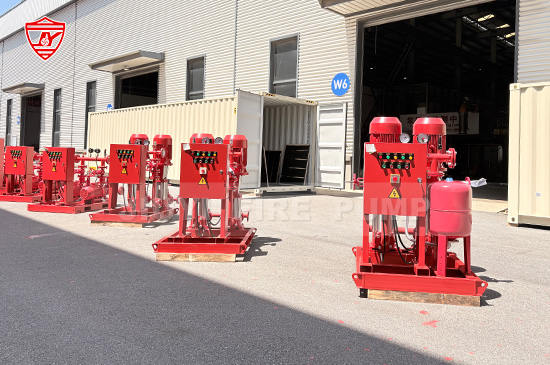
A fire pump is designed to remain on standby for long periods and activate immediately during fire events. Unlike process pumps that operate daily, fire pumps face a unique challenge: infrequent operation combined with high-performance requirements.
Poor maintenance can lead to:
When maintained correctly, fire pump systems can deliver reliable performance for decades.
Before implementing maintenance strategies, it is important to understand what causes premature deterioration.
Even a high-quality fire pump may fail early if installed incorrectly.
Common installation issues include:
Proper installation creates stable operating conditions from the beginning.
Water conditions directly influence internal wear.
Potential problems include:
Poor water quality accelerates impeller wear and internal corrosion.
Frequent start-stop cycles, excessive pressure fluctuations, overheating, and operating outside design parameters all shorten equipment life.
The absence of preventive maintenance is one of the leading causes of early pump failure.
Regular inspections allow operators to identify small problems before they become major failures.
Service life begins long before installation.
Choosing a fire pump that matches actual project requirements prevents overloading and unnecessary wear.
Key selection considerations include:
Oversized pumps may cycle inefficiently, while undersized pumps operate under excessive stress.
Evaluate:
Different applications require different pump designs.
Examples include:
Matching the correct configuration to site conditions significantly improves operational life.
Material choice affects resistance to corrosion and wear.
Typical options include:
Select materials based on environmental conditions and water characteristics.
Preventive maintenance remains the most effective strategy for extending fire pump lifespan.
A structured inspection schedule should include weekly, monthly, quarterly, and annual checks.
Inspect:
Look for abnormal sounds or vibrations.
Perform:
Document all findings.
Comprehensive annual maintenance may include:
Preventive maintenance reduces the likelihood of emergency repairs.
Operating outside recommended conditions accelerates mechanical wear.
Best practices include:
Running without sufficient water causes severe damage to:
Always verify adequate water supply before testing.
Excessive heat shortens component life.
Maintain:
Vibration creates stress throughout the pump assembly.
Monitor:
Small vibration issues can eventually cause major mechanical failures.
Lubrication plays a major role in protecting moving parts.
Components requiring attention may include:
Common lubrication mistakes include:
Follow manufacturer recommendations and maintain detailed service records.
Corrosion remains one of the most common threats to fire pump longevity.
Protection methods include:
Maintain:
Apply:
Use:
Environmental protection greatly extends equipment life.
Testing validates system readiness and identifies hidden issues.
However, testing should be performed correctly.
Verifies:
Measures:
Testing helps identify:
Maintain detailed records for trend analysis.
Modern fire pump systems benefit from condition monitoring.
Track indicators such as:
Changes over time often indicate developing issues.
Early detection extends service life and reduces repair costs.
Diesel-driven fire pumps require additional maintenance.
Focus on:
Maintain:
Inspect:
Monitor:
Diesel engines that sit unused for long periods require consistent exercise and monitoring.
Human factors significantly influence equipment life.
Training should include:
Well-trained teams identify issues earlier and operate equipment more effectively.
Maintenance documentation supports long-term reliability.
Track:
Historical data helps predict future maintenance needs.
Digital maintenance systems can improve scheduling and analysis.
Extending service life does not mean delaying necessary replacement.
Monitor components with known wear characteristics:
Replacing worn parts at the correct time prevents larger system failures.
Long-term reliability depends on more than maintenance alone.
Working with an experienced manufacturer provides advantages such as:
Manufacturers with extensive industry experience can help optimize both performance and lifecycle cost.
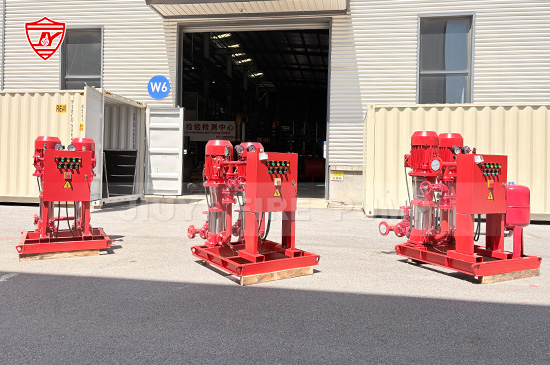
Extending fire pump service life requires a combination of proper design, correct installation, preventive maintenance, regular testing, environmental protection, and operator training.
Fire pumps are emergency assets that must perform immediately when required. Every inspection, adjustment, and maintenance action contributes directly to long-term reliability and fire safety.