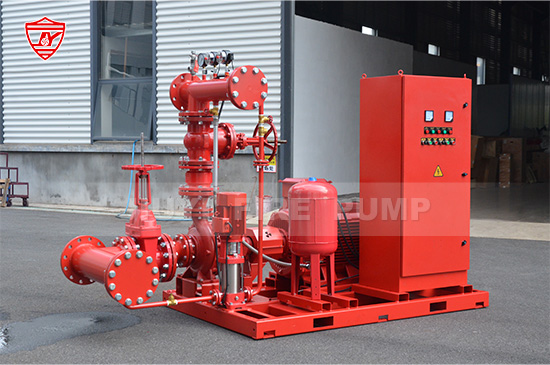
Electric fire pump motors are a critical component of any fire protection system. Their role is simple but extremely important: provide immediate power to drive the fire pump when a fire emergency occurs. Unlike standard industrial motors, fire pump motors often remain idle for long periods and are only activated during testing or emergencies. This unique operating condition means that maintenance is essential to ensure reliability.
A poorly maintained electric fire pump motor can fail when it is needed most, leading to severe safety risks, property damage, and potential compliance violations. Proper maintenance helps extend motor lifespan, reduce unexpected failures, and maintain compliance with fire safety standards such as NFPA 20 and NFPA 25.
This guide explains the best practices for maintaining electric fire pump motors properly.
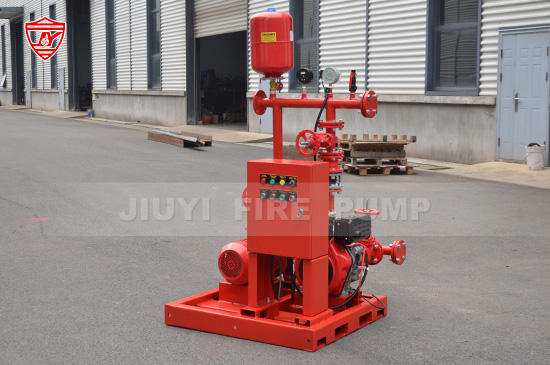
Electric fire pump motors are designed for emergency operation under demanding conditions. Unlike process pumps or HVAC motors that run regularly, fire pump motors may sit unused for weeks or months. Long idle periods can create hidden issues such as moisture accumulation, bearing degradation, insulation deterioration, or electrical connection loosening.
Without regular inspection and testing, these small issues may remain undetected until startup is required.
Proper maintenance provides several benefits:
Routine maintenance is not only good engineering practice but also an essential part of risk management.
Visual inspection is the first and simplest step in electric fire pump motor maintenance.
Operators should inspect the motor and surrounding environment regularly.
Key items to check include:
Dust, dirt, grease, and debris can reduce cooling efficiency and contribute to overheating.
Inspect for:
Keep the motor clean and dry at all times.
Electric fire pump motors are sensitive to environmental conditions.
Check for:
Moisture is one of the most common causes of insulation failure in idle motors.
Inspect the motor for visible signs of damage:
Any abnormalities should be addressed immediately.
Bearings are one of the most common failure points in electric motors.
Because fire pump motors may remain idle for extended periods, grease separation or bearing corrosion can occur.
During weekly or monthly test runs, listen for:
These may indicate bearing wear or lubrication issues.
Overheated bearings often signal problems such as:
Use an infrared thermometer or thermal monitoring device to detect abnormal temperatures.
Follow manufacturer recommendations for:
Over-greasing is a common mistake. Too much grease can cause overheating and seal damage.
Always use the correct grease specified by the motor manufacturer.
Loose electrical connections can lead to voltage imbalance, overheating, or motor failure.
At regular intervals, inspect:
Look for:
Tighten connections according to torque specifications.
Electrical inspections should only be performed by qualified personnel.
Motor insulation degrades over time due to heat, moisture, and aging.
Insulation resistance testing helps identify hidden problems before failure occurs.
A megohmmeter is typically used to test winding insulation resistance.
Test for:
Low insulation resistance may indicate:
Trending insulation readings over time is more valuable than relying on a single test result.
Regular testing helps detect problems early and supports preventive maintenance planning.
Regular operation is critical for electric fire pump motors.
Periodic test runs help:
Weekly or monthly test runs should follow local regulations and facility procedures.
During testing, monitor:
Abnormal readings may indicate developing issues.
Routine testing prevents hidden failures caused by long idle periods.
Excessive vibration reduces motor life and may damage bearings, couplings, and connected equipment.
Common causes of vibration include:
Use vibration analysis tools to establish baseline readings and detect changes over time.
Warning signs include:
Address vibration issues early to avoid costly repairs.
Misalignment between the motor and pump can create mechanical stress.
Even small alignment errors can cause:
Check alignment periodically using:
Alignment should be verified after:
Proper alignment improves efficiency and extends equipment life.
Electric fire pump motors rely on adequate cooling to prevent overheating.
Inspect cooling components regularly.
Check for:
For enclosed motors, ensure ventilation openings remain unobstructed.
Overheating can shorten insulation life significantly.
A clean cooling system is essential for long-term reliability.
The motor cannot function properly without a reliable controller.
Inspect the fire pump controller for:
Verify that:
Controller issues are sometimes mistaken for motor problems.
Integrated testing of the motor and controller is recommended.
Maintenance records are critical for compliance and troubleshooting.
Document:
Historical records help identify trends and predict failures.
Documentation also supports audits and code compliance requirements.
A strong maintenance log is an important part of fire pump reliability management.
Understanding common issues helps maintenance teams act quickly.
Possible causes:
Possible causes:
Possible causes:
Possible causes:
Early detection minimizes repair costs.
A practical maintenance schedule may include:
Daily or Weekly
Monthly
Quarterly
Semi-Annually
Annually
Always align maintenance intervals with manufacturer recommendations and applicable standards.
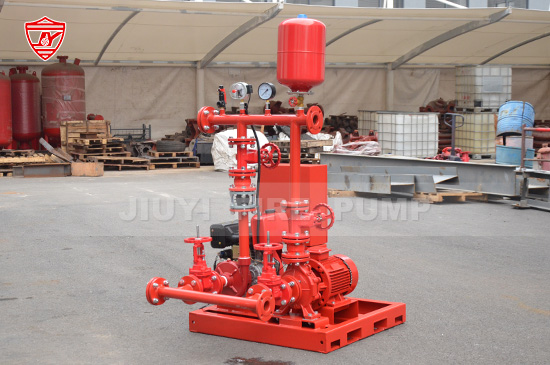
Electric fire pump motors are designed for one purpose: reliable operation when fire emergencies occur. Because these motors often remain idle, neglect can easily lead to hidden failures.
A proper maintenance program should include regular inspections, lubrication management, electrical testing, vibration monitoring, alignment verification, and scheduled test runs.
By maintaining electric fire pump motors properly, facility owners can improve system reliability, reduce repair costs, extend equipment life, and ensure fire protection readiness when it matters most.
.jpg)