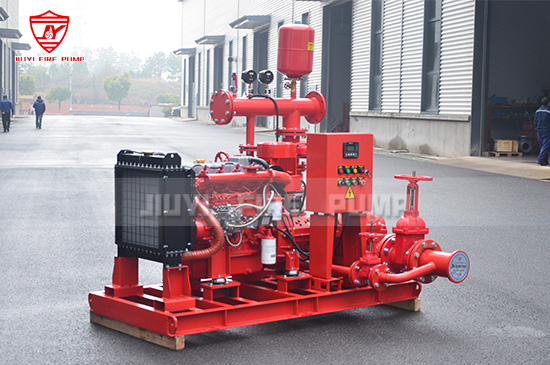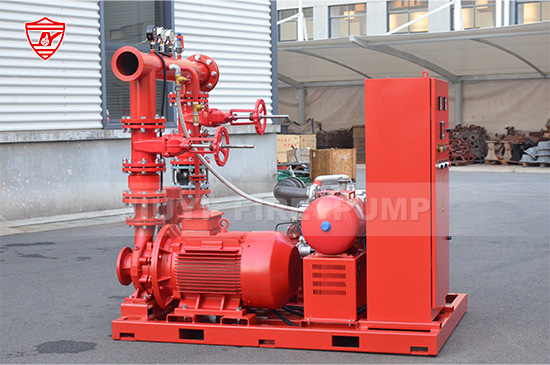
Fire pumps are among the most critical components of any fire protection system. During a fire emergency, they provide the water pressure required for sprinkler systems, standpipes, hydrants, and other firefighting equipment to operate effectively. Because lives and property depend on their performance, fire pumps must function reliably whenever they are called into service.
Unfortunately, even well-designed fire pump systems can fail due to mechanical wear, electrical issues, improper installation, environmental conditions, or inadequate maintenance. Understanding why these failures occur is essential for preventing unexpected downtime and ensuring continuous protection.
Fire Pump Failure Mode Analysis (FMA) is a systematic approach for identifying potential failure mechanisms, determining their root causes, evaluating their effects on system performance, and implementing corrective actions before failures become catastrophic. Rather than simply repairing a damaged component, failure mode analysis focuses on preventing similar failures from occurring in the future.
This article explains what fire pump failure mode analysis is, why it is important, the most common failure modes, how to perform an effective analysis, and best practices for improving long-term fire pump reliability.
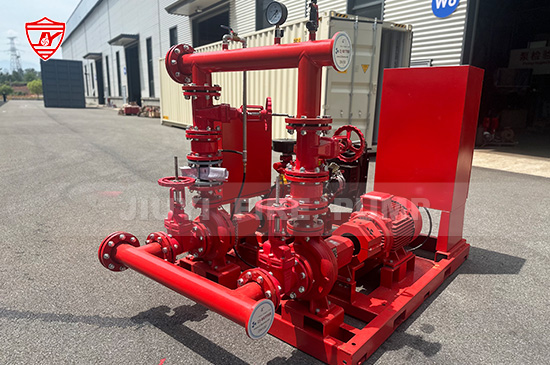
Failure Mode Analysis is the process of examining every possible way a fire pump or its associated equipment can fail. Each potential failure is evaluated based on:
The goal is to reduce equipment failures by identifying weaknesses before they result in emergency shutdowns or reduced fire protection capability.
Failure mode analysis may be performed during:
Many manufacturers incorporate Failure Mode and Effects Analysis (FMEA) into product development to improve equipment reliability before products reach customers.
Fire pumps often remain idle for long periods and operate only during periodic testing or actual fire emergencies. Because of this operating pattern, hidden defects may remain unnoticed until the pump is needed most.
Conducting failure mode analysis provides several important benefits.
Identifying potential failure points allows maintenance teams to address problems before equipment stops operating.
Unexpected failures during emergency situations can have severe consequences. Early detection minimizes system interruptions.
Preventive repairs are generally far less expensive than emergency replacements or extensive equipment damage.
Reliable fire pumps ensure adequate water supply for fire suppression systems, protecting lives and valuable assets.
Many industry standards require routine inspection, testing, and maintenance. Failure analysis helps facilities maintain compliance by identifying deficiencies that require correction.
A complete fire pump system includes numerous components that should be evaluated individually.
Typical components include:
Each component has unique failure mechanisms that can influence overall system performance.
Bearings support the rotating shaft and minimize friction.
Common causes include:
Typical symptoms include unusual noise, increased vibration, rising bearing temperatures, and reduced efficiency.
Mechanical seals prevent water leakage around the rotating shaft.
Common failure causes include:
Seal failures often result in water leakage, reduced efficiency, and eventual equipment damage.
The impeller generates water flow and pressure.
Possible failure mechanisms include:
Damaged impellers reduce flow capacity and operating pressure.
Cavitation occurs when vapor bubbles form and collapse inside the pump due to insufficient suction pressure.
Common causes include:
Long-term cavitation causes severe erosion of impellers and pump casings.
Improper alignment between the pump and driver creates excessive mechanical stress.
Consequences include:
Laser alignment during installation greatly reduces these risks.
Electric fire pumps depend on reliable motor operation.
Failure causes may include:
Routine insulation resistance testing can identify developing problems before complete failure occurs.
Diesel-driven fire pumps introduce additional maintenance requirements.
Common problems include:
Regular engine testing is essential for dependable emergency operation.
The controller is responsible for automatically starting the fire pump when system pressure drops.
Potential failures include:
Periodic controller testing ensures reliable automatic operation.
Valves control water flow throughout the fire protection system.
Failure mechanisms include:
Partially closed valves can significantly reduce pump performance.
Failure mode analysis often reveals that equipment failures originate from a relatively small number of root causes.
These include:
Skipping routine inspections allows small issues to become major failures.
Incorrect alignment, inadequate pipe supports, or poor electrical connections can shorten equipment life.
Dust, humidity, flooding, chemical exposure, and extreme temperatures accelerate equipment deterioration.
Inferior materials often experience premature wear and reduced reliability.
Incorrect operating procedures or maintenance mistakes can introduce new failure risks.
Even well-maintained fire pumps eventually experience fatigue, corrosion, and component wear.
An organized approach improves the accuracy and effectiveness of failure investigations.
Gather:
Historical data often reveals recurring problems.
Examples include:
Clearly documenting symptoms helps narrow potential causes.
Identify exactly what failed.
Examples include:
Use systematic methods such as:
The objective is to eliminate the underlying cause rather than only replacing damaged parts.
Assess how the failure affects:
Critical failures require immediate corrective action.
Solutions may include:
After repairs, perform comprehensive testing to confirm that the problem has been resolved and system performance meets design requirements.
Modern fire pump maintenance increasingly relies on predictive monitoring technologies.
Detects bearing wear, imbalance, misalignment, and looseness before visible damage occurs.
Identifies overheating motors, electrical connections, bearings, and controllers.
Evaluates lubricant contamination, wear particles, and degradation.
Detects cavitation, leaks, and bearing defects during early stages.
Flow and pressure testing verifies that pumps continue operating within design specifications.
These technologies help maintenance teams detect hidden defects before failures occur.
Failure mode analysis should always lead to preventive improvements.
Recommended practices include:
Preventive maintenance significantly extends equipment life while reducing unexpected failures.
Fire pump manufacturers contribute significantly to equipment reliability long before installation. High-quality engineering, precision manufacturing, and rigorous factory testing reduce the likelihood of field failures.
Reliable manufacturers typically perform comprehensive performance testing, hydraulic verification, pressure testing, and quality inspections before shipment. They also provide detailed installation instructions, maintenance guidance, spare parts support, and technical assistance to help customers maintain optimal system performance throughout the equipment's service life.
Selecting a manufacturer with proven engineering expertise, strict quality control processes, and extensive experience in fire protection systems helps minimize operational risks and supports long-term reliability.
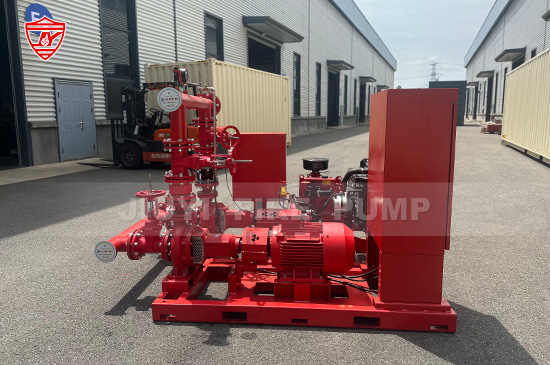
Fire Pump Failure Mode Analysis is an essential reliability tool that helps identify potential equipment failures before they compromise fire protection systems. By systematically examining failure mechanisms, determining root causes, and implementing corrective actions, facility owners and maintenance teams can improve system reliability, reduce operating costs, and ensure dependable performance during emergencies.
Whether the fire pump is driven by an electric motor or a diesel engine, every component—from bearings and seals to controllers and valves—can influence overall system reliability. Combining structured failure analysis with routine inspections, predictive maintenance technologies, proper installation, and high-quality manufacturing creates a comprehensive strategy for preventing failures and extending equipment life.
For organizations responsible for protecting lives, property, and critical infrastructure, investing in fire pump failure mode analysis is not simply a maintenance practice—it is a proactive commitment to safety, operational excellence, and long-term system performance.
.png)