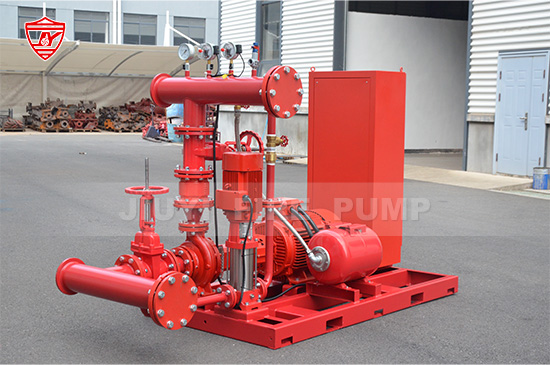
In today's world, fire safety is more critical than ever. Industries, commercial facilities, and residential buildings depend on reliable fire protection systems to minimize the risk of fire hazards. Fire pump systems, integral to these systems, play a crucial role in safeguarding assets, human lives, and property. In this article, we explore why fire pump systems are essential for protecting critical assets and how they contribute to overall fire safety.
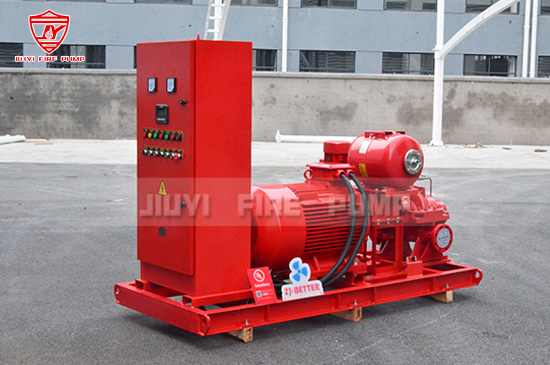
Understanding Fire Pump Systems
A fire pump system is an essential component of any fire protection setup. It ensures a reliable water supply for sprinklers, hose reels, and other fire suppression systems in the event of a fire. Fire pumps are designed to provide water at the required pressure and flow rate to combat fires effectively.
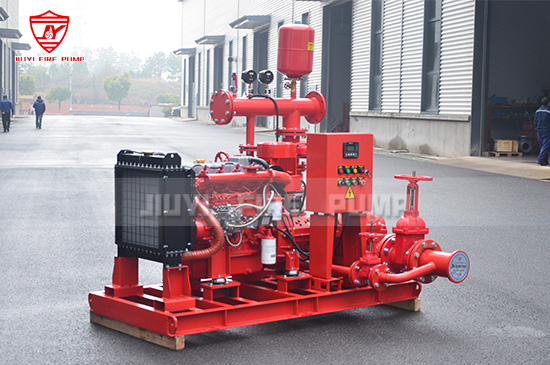
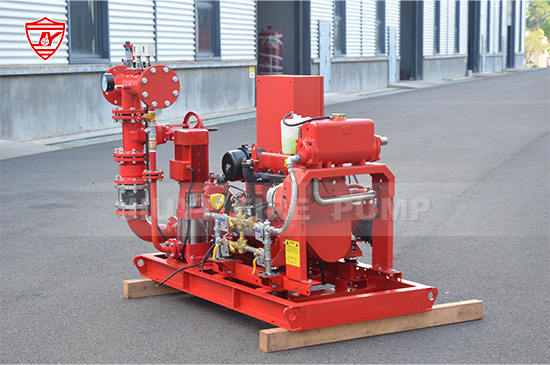
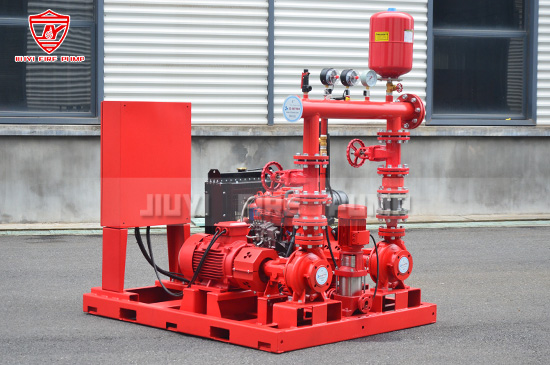
Typically powered by electric motors, diesel engines, or even steam turbines, these pumps work together with water tanks, hydrants, and other firefighting components to deliver high-pressure water. Fire pump systems are primarily used in buildings, industrial facilities, power plants, and other large infrastructures where the protection of valuable assets and human life is a priority.
Importance of Fire Pumps in Critical Infrastructure
Critical infrastructure includes facilities that are indispensable for the functioning of society—hospitals, schools, data centers, power stations, and more. These places require reliable fire protection systems to ensure operations are not interrupted due to fire hazards. A fire pump system is indispensable in these scenarios, ensuring that sufficient water is available to suppress fires, reducing the risk of severe damage and even complete destruction of critical assets.
For example, in hospitals, fire pump systems are necessary to protect sensitive equipment, pharmaceuticals, and patient lives. In data centers, a fire could destroy irreplaceable data, but a properly functioning fire pump can prevent that disaster from occurring. Without fire pumps, these facilities would face grave risks in the event of a fire.
Fire Pump System Applications Across Industries
- Commercial Buildings: Large commercial buildings, including office complexes, shopping malls, and hotels, house thousands of valuable assets. Fire pumps ensure that a consistent water supply is available to control fires in case of emergencies, preventing major losses.
- Industrial Sites: Factories, refineries, and manufacturing plants often deal with flammable materials and hazardous chemicals. Fire pump systems ensure immediate firefighting capabilities, limiting the risk of explosions or significant damage. Their robust design guarantees performance even in harsh conditions.
- Energy and Utility Facilities: Power stations and utility plants are highly sensitive and crucial for a region’s energy supply. A fire in such facilities can disrupt power to millions of homes and businesses. Fire pump systems provide the necessary protection to safeguard both equipment and operations.
- Warehouses and Storage Facilities: Large storage areas filled with products, chemicals, and equipment need a robust fire protection system. Fire pump systems ensure there’s no interruption in water flow to the sprinklers, which are essential to suppressing fires and protecting stock from destruction.
- Residential and High-Rise Buildings: With increased population density, high-rise buildings and apartments require specialized fire safety solutions. Fire pumps help provide adequate pressure and water flow for fire sprinkler systems, allowing for effective fire suppression and the protection of residents.
Key Benefits of Fire Pump Systems
- Rapid Fire Response: In case of a fire, every second counts. Fire pump systems deliver water quickly and at high pressure, enabling fire suppression systems like sprinklers and hoses to function optimally. This rapid response can significantly reduce the extent of damage caused by the fire, protecting valuable assets.
- Enhanced Safety for Occupants: Fire pumps contribute directly to the safety of people within the building or facility. With reliable fire suppression systems, employees, residents, and visitors are at a much lower risk of injury or death due to fire.
- Minimizing Business Interruption: Fires can lead to costly downtime and interruptions to business operations. Having an efficient fire pump system in place helps mitigate this risk. By ensuring fire suppression occurs quickly, it reduces the potential damage to operations, allowing businesses to recover faster.
- Asset Protection: Whether it’s machinery in a factory, inventory in a warehouse, or valuable data in a server room, assets are vital to the operation of any organization. A well-maintained fire pump system ensures these assets are protected from fire damage, preserving a company’s financial health.
- Compliance with Fire Safety Regulations: Most regions have strict fire safety regulations in place to protect lives and property. By installing a reliable fire pump system, businesses ensure they meet these regulations, avoiding penalties and ensuring the safety of both their employees and assets.
Types of Fire Pumps
Fire pumps come in various configurations, each designed for specific needs and applications. The choice of fire pump system depends on the size of the building, the resources available, and the complexity of the firefighting needs.
- Electric Fire Pumps: These are the most commonly used pumps due to their reliability, lower maintenance costs, and energy efficiency. Electric fire pumps are ideal for facilities where a consistent and uninterrupted power supply is available.
- Diesel Engine Fire Pumps: Diesel fire pumps are used in locations where electricity is unreliable or unavailable. They offer greater mobility and flexibility, making them ideal for industrial sites and outdoor applications.
- Vertical Turbine Fire Pumps: These pumps are designed for use in deep well applications. They are often used in large facilities or areas where water sources are located deep underground.
- Jockey Pumps: Jockey pumps are smaller pumps that help maintain the pressure in the fire protection system. They ensure that the fire pump system is always ready to operate when required.
Maintenance and Reliability of Fire Pump Systems
The effectiveness of a fire pump system is closely tied to its maintenance. Regular inspections and testing ensure that the system remains in top condition, ready to perform when needed most. Inadequate maintenance can lead to failure during a fire emergency, which could be catastrophic.
Routine checks include ensuring the pump's motor is operating smoothly, the pressure is adequate, and the system is free of blockages. For diesel-powered systems, fuel levels, exhaust systems, and engine components must be regularly checked to avoid malfunction.
Reliability is also enhanced by ensuring that backup power sources, such as batteries or generators, are available and functioning. In case of a power outage, backup systems ensure that fire pumps continue to operate effectively.
Conclusion
Fire pump systems are more than just components of a fire safety system—they are the lifeblood of fire suppression efforts. They provide rapid and reliable water delivery to extinguish fires, ensuring that critical assets, facilities, and human lives are protected from destruction. By understanding their importance and maintaining their operational integrity, businesses and organizations can prevent catastrophic losses and comply with fire safety regulations.
When selecting a fire pump system, it’s essential to choose the right type based on your facility’s specific needs. Investing in high-quality fire pump systems is not just about complying with regulations—it’s about safeguarding your assets and ensuring peace of mind, knowing that your fire protection system will perform when you need it the most.