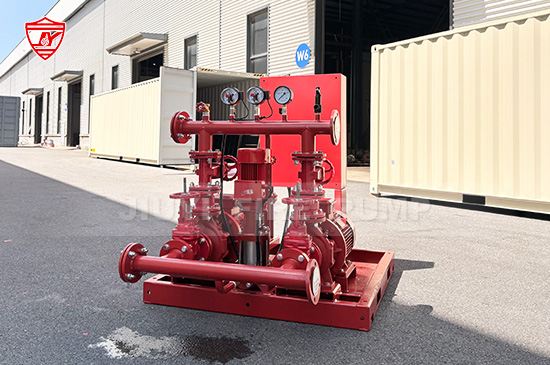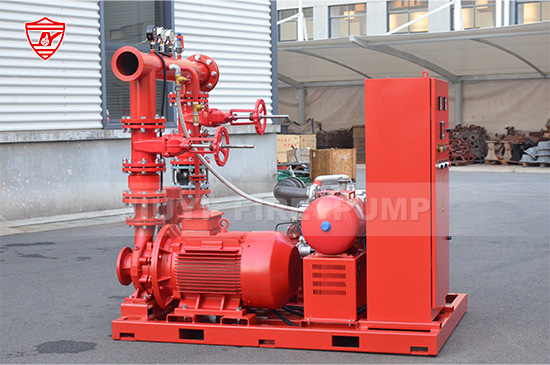
When it comes to ensuring fire safety in commercial office buildings, one of the most critical components is the fire pump system. A fire pump provides the necessary water pressure to supply sprinklers, hydrants, and other fire protection equipment during an emergency. Choosing the right fire pump for a commercial office building is vital not only for compliance with local regulations but also for safeguarding the lives of employees, tenants, and customers.
In this article, we will discuss the various factors to consider when selecting the best fire pump for commercial office buildings. By the end of this guide, you will have a better understanding of the different types of fire pumps, how to determine your building’s specific needs, and what to look for to ensure optimal fire protection.
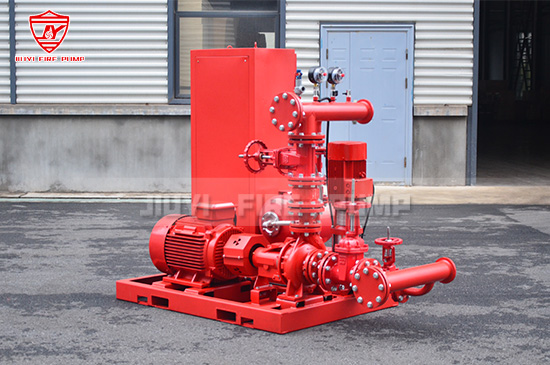
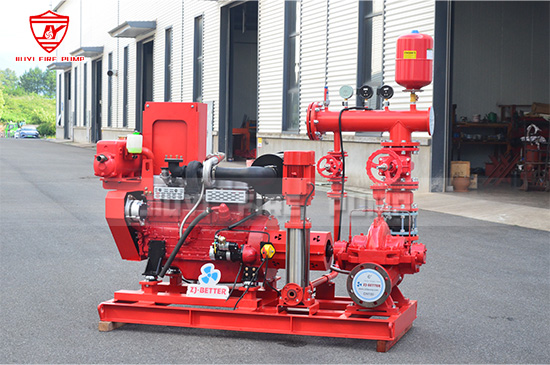
The first step in choosing the best fire pump is understanding the different types available. Fire pumps come in several configurations, each suited for specific applications. In commercial office buildings, the two most common types are electric fire pumps and diesel engine fire pumps.
Each building is unique, and so are its fire protection needs. The water supply for your fire pump will depend on factors like the building’s size, the fire protection systems in place, and the local water supply. To determine the correct flow and pressure requirements, you should consult local fire codes and work with a professional fire protection engineer.
Generally, commercial office buildings need a fire pump that can deliver water at a pressure and flow rate sufficient to operate sprinklers, standpipes, and fire hoses. The flow rate is typically measured in gallons per minute (GPM), while the pressure is measured in pounds per square inch (PSI). Both of these will need to be customized based on the fire safety requirements of your specific building.
To get a rough idea of the water supply needed:
Compliance with fire safety regulations and standards is a must when selecting a fire pump. Depending on your location, different codes and standards may apply. In the United States, the National Fire Protection Association (NFPA) is the leading body that sets standards for fire protection systems, including the installation and performance of fire pumps.
NFPA 20, which governs the installation of fire pumps, outlines the key performance characteristics that fire pumps must meet. These include minimum flow rates, pressure requirements, and the pump’s reliability. You should always ensure that the selected fire pump complies with the latest edition of NFPA 20, local building codes, and insurance requirements.
A fire pump is only as effective as its ability to perform when needed the most—during a fire emergency. Reliability is critical. When selecting a fire pump, ensure that the pump comes from a reputable manufacturer with a proven track record of producing durable and reliable equipment.
You should also consider the pump’s maintenance requirements. Some pumps are designed for easy maintenance, while others may require more complex servicing. Choose a fire pump system that is known for its longevity and minimal need for repairs or maintenance, ensuring you avoid costly downtime or repairs.
For commercial office buildings, having a reliable power source is crucial for a fire pump system’s operation. As mentioned earlier, fire pumps can either be powered by electricity or diesel engines. When selecting a pump, consider the following:
For large commercial office buildings, it's common to have both an electric pump for daily operation and a diesel pump for backup. This setup ensures that you have redundancy in the event of a power failure.
Choosing a fire pump that is both efficient and reliable can save you money in the long run. Efficient pumps use less power and generate fewer emissions. When evaluating pump efficiency, consider the following:
Choosing a fire pump also means considering its installation and ongoing maintenance needs. A fire pump installation should be performed by a certified fire protection contractor to ensure compliance with local building codes and safety standards.
Additionally, it’s essential to work with a manufacturer that offers robust support services, including routine maintenance, system inspections, and troubleshooting. Regular maintenance is vital to ensuring that your fire pump system continues to function properly over time.
While you want to select the best fire pump for your commercial office building, it’s also important to consider the total cost of ownership. This includes the initial purchase price, installation costs, and ongoing maintenance costs.
Sometimes, the initial cost of a fire pump may be higher for systems with greater durability or advanced features. However, these systems could save you money over time by requiring less maintenance or offering greater reliability, which is especially important in fire safety applications.
Choosing the best fire pump for a commercial office building is a critical decision that requires careful consideration of several factors. From the type of fire pump to water supply requirements, building codes, and long-term performance, every aspect plays a vital role in ensuring the safety and reliability of your fire protection system.
.jpg)