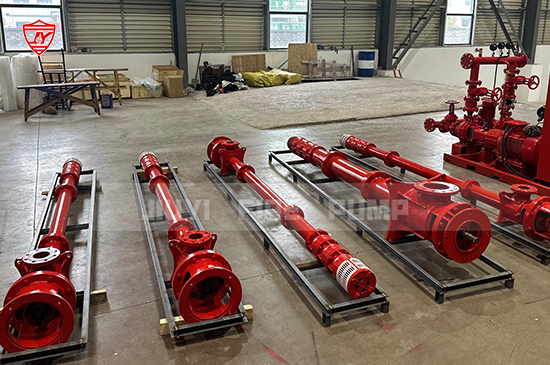
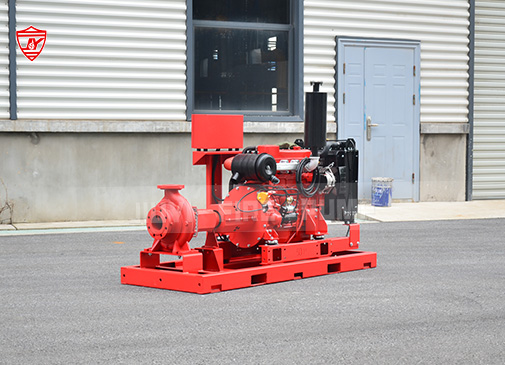
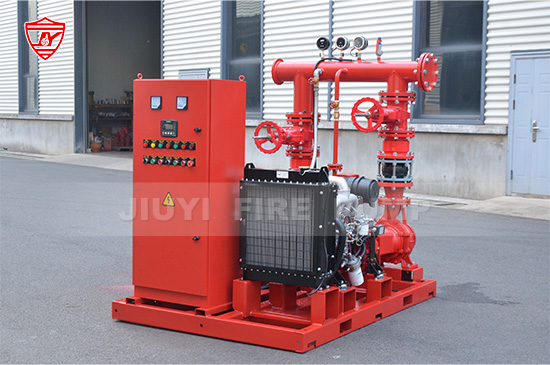
Fire pumps are critical components of any fire protection system, ensuring a reliable water supply in emergencies. However, downtime can compromise building safety, put lives at risk, and result in costly repairs. Minimizing fire pump downtime is not just a matter of equipment maintenance; it requires a comprehensive approach that combines preventive strategies, careful monitoring, and staff training. In this article, we will explore actionable steps to maximize your fire pump reliability and minimize operational interruptions.
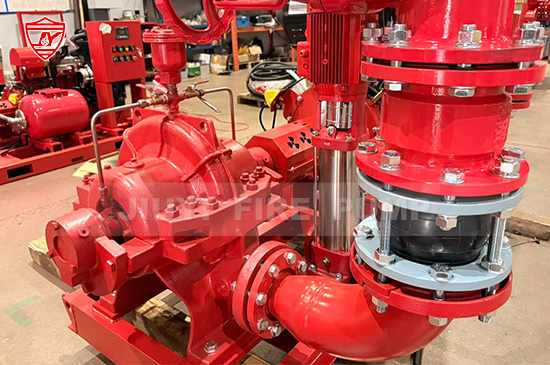
1. Understand Common Causes of Fire Pump Downtime
Before implementing strategies, it is essential to understand why fire pumps fail. Common causes include:
- Mechanical Failures: Wear and tear in bearings, seals, or couplings.
- Electrical Issues: Faulty wiring, damaged motors, or control panel failures.
- Poor Water Supply: Low suction pressure, blocked pipes, or tank issues.
- Lack of Maintenance: Irregular inspections and overdue preventive maintenance.
- Improper Installation: Misaligned pumps or incorrect system setup can create persistent problems.
By identifying these common failure points, maintenance teams can target the most critical areas for intervention.
2. Implement a Rigorous Preventive Maintenance Program
Preventive maintenance is the most effective way to reduce fire pump downtime. A structured program should include:
- Scheduled Inspections: Regularly inspect pump components, including impellers, seals, bearings, and shafts.
- Lubrication Management: Ensure proper lubrication of moving parts to reduce friction and wear.
- Electrical Checks: Test motor insulation, circuit breakers, and control systems.
- Operational Testing: Run the pump periodically to confirm functionality under real conditions.
- Record Keeping: Maintain detailed logs of inspections, maintenance actions, and operational tests to track performance trends.
A disciplined preventive approach allows small issues to be addressed before they escalate into major failures.
3. Monitor Critical Performance Indicators
Fire pump reliability can be significantly enhanced by monitoring key operational indicators, including:
- Pressure and Flow Rates: Sudden drops may indicate blockages or mechanical wear.
- Vibration Levels: Excessive vibration can signal misalignment or bearing wear.
- Motor Temperature: Overheating can damage motor windings and reduce lifespan.
- Alarm Systems: Ensure alarms are functional and calibrated to alert staff promptly.
Advanced monitoring solutions, such as IoT-enabled sensors and remote diagnostics, allow maintenance teams to detect issues in real time and schedule corrective action before downtime occurs.
4. Train Staff for Rapid Response and Correct Operation
Even with the best-maintained equipment, human error can contribute to fire pump downtime. Proper staff training is essential:
- Operating Procedures: Ensure staff know correct startup, shutdown, and emergency procedures.
- Emergency Response: Train personnel to respond to alarms and system failures quickly and safely.
- Troubleshooting Skills: Equip the team with knowledge to identify and resolve minor issues on-site.
- Safety Protocols: Emphasize safe handling of equipment and adherence to manufacturer guidelines.
Empowered and knowledgeable staff act as the first line of defense against unexpected downtime.
5. Maintain Adequate Spare Parts and Equipment
Unplanned downtime often occurs because replacement parts are unavailable. Strategies to mitigate this risk include:
- Inventory Management: Keep critical spare parts such as seals, bearings, couplings, and electrical components in stock.
- Supplier Relationships: Maintain relationships with reliable suppliers for fast delivery of specialized components.
- Emergency Backup Systems: Consider redundant or parallel pumps for high-risk installations.
Having the right parts and backup systems ready ensures repairs can be performed immediately, minimizing operational interruptions.
6. Address Environmental and Installation Factors
The environment in which fire pumps operate can directly impact their reliability:
- Temperature and Humidity: Protect pumps from extreme conditions to prevent corrosion and electrical issues.
- Vibration and Shock: Install pumps on stable foundations to reduce mechanical stress.
- Water Quality: Ensure suction water is clean and free of debris to prevent damage to impellers and seals.
- Correct Installation: Follow manufacturer guidelines carefully during setup to avoid alignment issues, improper sealing, or flow restrictions.
Proper environmental and installation considerations prevent many common failure points that lead to downtime.
7. Regular Testing and Certification Compliance
Adhering to industry standards ensures your fire pump operates reliably when needed:
- Hydrostatic Testing: Confirm the system can handle pressure demands without leaks or failures.
- Flow and Pressure Testing: Verify pump output matches design requirements.
- Compliance Checks: Ensure adherence to NFPA, UL, or local fire protection standards.
- Third-Party Audits: Engage professional inspectors periodically to identify overlooked weaknesses.
Routine testing validates pump readiness and helps catch performance issues before they compromise safety.
8. Implement a Proactive Maintenance Culture
Reducing downtime is not just about schedules and procedures; it is about building a culture of proactive maintenance:
- Predictive Maintenance Tools: Use vibration analysis, thermography, or oil analysis to predict failures.
- Continuous Improvement: Encourage staff to report potential risks and suggest process improvements.
- Root Cause Analysis: Investigate every failure to prevent recurrence.
- Documentation: Maintain accurate records to support future maintenance planning and regulatory compliance.
A proactive approach creates an environment where downtime is the exception, not the norm.
9. Evaluate Technology Upgrades
Modern fire pump systems offer features that can significantly reduce downtime:
- Automated Control Panels: Simplify operation and reduce human error.
- Remote Monitoring: Allow off-site monitoring to detect issues early.
- Self-Diagnostic Pumps: Provide alerts on abnormal conditions before a failure occurs.
- Energy-Efficient Motors: Reduce stress on the system while maintaining high reliability.
Investing in technology can be a cost-effective way to enhance reliability and minimize unplanned shutdowns.
10. Schedule Routine Maintenance During Low-Risk Periods
When downtime is unavoidable, timing is critical:
- Off-Peak Maintenance: Schedule maintenance when the system is least likely to be needed.
- Planned Shutdowns: Coordinate with facility management to minimize disruption.
- Simulated Emergencies: Test pumps under controlled conditions to ensure readiness without compromising safety.
Strategically planning maintenance ensures the system remains operational during critical periods.
Conclusion
Minimizing fire pump downtime is a multi-faceted challenge that requires attention to preventive maintenance, monitoring, training, and system design. By understanding the common causes of failures, implementing structured maintenance programs, and embracing technology, facility managers can significantly enhance fire pump reliability. The ultimate goal is to ensure that fire pumps are always ready to operate in emergencies, protecting lives, property, and investments.
Investing in proactive strategies, staff training, and proper equipment management not only reduces downtime but also ensures compliance with safety standards and extends the life of your fire pump system. With consistent effort and a commitment to reliability, fire pumps can remain dependable allies in fire safety for years to come.