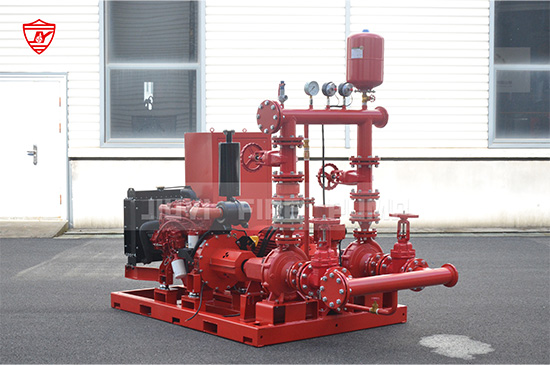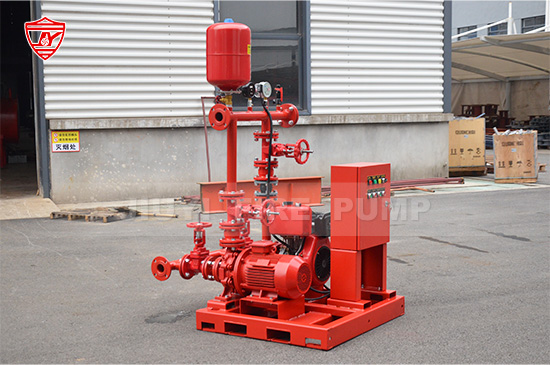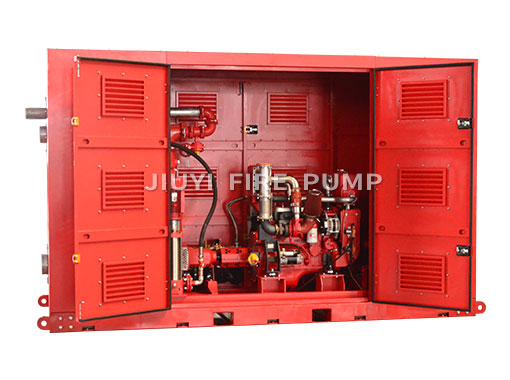
A fire pump is one of the most critical components in a fire protection system. Its primary function is to provide sufficient water flow and pressure when the available water supply cannot meet the system demand. However, even a high-quality fire pump may fail to perform as intended if installation, alignment, piping, or system configuration issues occur during commissioning.
Verifying fire pump performance after installation is essential to ensure the system meets design requirements, complies with applicable standards, and remains ready for emergency operation. Proper performance verification helps identify installation errors, mechanical problems, and operational deficiencies before the system is placed into service.
This article explains the key steps involved in verifying fire pump performance after installation and outlines best practices for achieving reliable results.
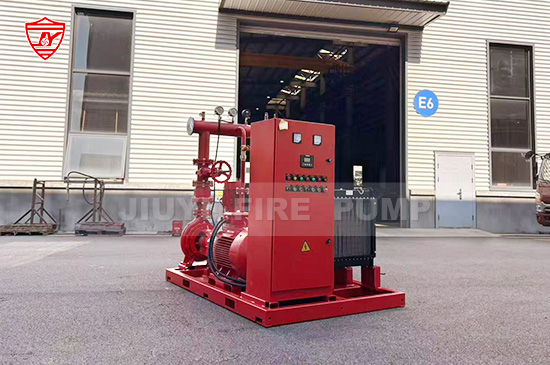
Fire pumps are designed and tested by manufacturers under controlled factory conditions. Once installed on-site, numerous factors can affect their performance, including:
Without proper verification, these problems may remain unnoticed until a fire emergency occurs.
Performance testing confirms that the installed pump:
Before conducting any performance verification, review the original project requirements and pump specifications.
Important documents include:
The testing team should verify:
Having these values available allows accurate comparison between actual field performance and expected performance.
A comprehensive visual inspection should be completed before starting the pump.
Check the following items:
Verify that:
Inspect both suction and discharge piping.
Ensure that:
For electric motor-driven pumps:
For diesel-driven pumps:
Any visible issues should be corrected before performance testing begins.
Proper alignment between the pump and driver is critical.
Misalignment can lead to:
Alignment should be checked using precision tools such as:
Even if alignment was completed during installation, it should be rechecked before final acceptance testing because transportation, foundation settlement, or piping stress may have altered the alignment.
Incorrect rotation is a surprisingly common commissioning issue.
Momentarily start the motor and verify that rotation matches the directional arrow on the pump casing.
Incorrect rotation can cause:
If rotation is incorrect on an electric motor, qualified personnel should adjust the electrical phase sequence according to applicable procedures.
Before testing begins, ensure the pump is fully primed.
Air trapped within the pump casing can cause:
Flooded suction installations generally simplify priming, but every system should be checked carefully before startup.
Adequate suction conditions are essential for proper operation.
Inspect the water supply source and verify:
Measure suction pressure using calibrated gauges.
Poor suction conditions can result in:
Performance testing relies on accurate measurements.
All instruments should be calibrated before testing.
Common instruments include:
Inaccurate instruments can lead to false conclusions regarding pump performance.
After completing inspections and preparations, start the fire pump.
Observe:
Allow the pump to operate long enough to reach stable conditions before collecting performance data.
Any unusual noise, vibration, or temperature rise should be investigated immediately.
The churn test measures pump performance at zero flow conditions.
During this test:
The measured churn pressure should correspond to the manufacturer's published pump curve.
Typical acceptance criteria require churn pressure to remain within allowable tolerances specified by the manufacturer and applicable standards.
Excessively high or low churn pressure may indicate installation or mechanical problems.
The rated flow test verifies that the pump delivers its design capacity.
During this test:
The measured pressure at rated flow should closely match the pump performance curve.
This test confirms that the pump can achieve the performance required by the fire protection system.
One of the most important verification procedures is testing at 150 percent of rated capacity.
For example:
During this test:
The purpose is to confirm that the pump can maintain acceptable pressure while operating beyond its rated flow.
The results should remain consistent with the manufacturer's certified performance curve.
After collecting test data, compare the results with the pump's certified performance curve.
Key points include:
Verify pressure at zero flow.
Verify pressure and flow at rated conditions.
Verify pressure at overload conditions.
Minor variations are normal, but significant deviations may indicate:
Performance should generally fall within accepted tolerances established by applicable standards and manufacturer recommendations.
Excessive vibration often indicates hidden problems.
Common causes include:
Measure vibration levels at:
Compare readings against acceptable limits recommended by equipment manufacturers.
Stable vibration levels indicate healthy operation and proper installation.
Temperature monitoring helps identify developing mechanical issues.
Check:
Abnormal temperatures may indicate:
Temperature measurements should remain within manufacturer limits throughout testing.
Fire pumps must operate automatically when system pressure drops.
Test the controller by simulating pressure reduction.
Verify:
For diesel-driven pumps, verify:
Reliable automatic operation is just as important as hydraulic performance.
A fire pump system includes more than just the pump itself.
Verify operation of:
All auxiliary components should function correctly and integrate properly with the overall fire protection system.
Comprehensive documentation is essential.
Record:
These records provide valuable information for future maintenance, inspections, and troubleshooting.
Several issues are frequently discovered during post-installation testing:
Air entering the suction line can reduce performance and cause cavitation.
Partially closed valves can restrict flow.
Improper pipe layout can create turbulence and reduce pump efficiency.
Incorrect pressure settings may prevent automatic operation.
Voltage imbalance or improper wiring can affect motor performance.
Identifying and correcting these issues during commissioning significantly improves system reliability.
Successful performance verification should not be viewed as a one-time activity.
Facility owners should establish a routine testing and maintenance program that includes:
Ongoing verification helps ensure the fire pump remains ready to perform throughout its service life.
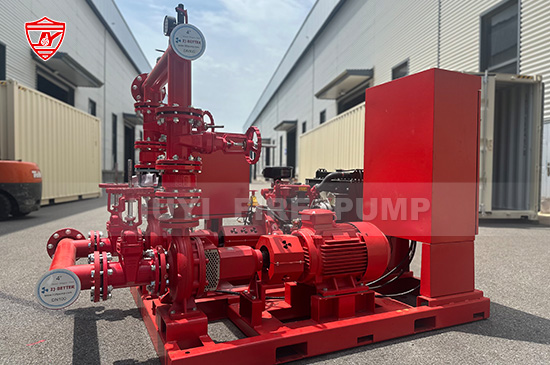
Verifying fire pump performance after installation is a critical step in ensuring fire protection system reliability. Through careful inspection, startup procedures, flow testing, pressure verification, vibration analysis, and automatic operation checks, facility owners can confirm that the fire pump performs according to design requirements and manufacturer specifications.
A properly commissioned fire pump provides confidence that adequate water flow and pressure will be available when a fire emergency occurs. Investing time in thorough post-installation performance verification not only supports regulatory compliance but also protects lives, property, and business continuity for years to come.